
GPT Image 2 AI Image Generator Built-in reasoning. One prompt to polished visuals.
OpenAI’s flagship model for text-to-image and editing—up to 16 refs, 1K–4K output, and 95%+ multilingual text. Try it on bikabika AI.
Generate AI Images Online with GPT Image 2
Configure and generate here · GPT Image 2
After you set the model, prompt, and options, we open the workspace to run the job.
Estimated cost—pts
Core capabilities
Six GPT Image 2 strengths that make creative work faster and sharper
From built-in reasoning to 4K delivery and precise edits—turn a sentence into the image you meant.
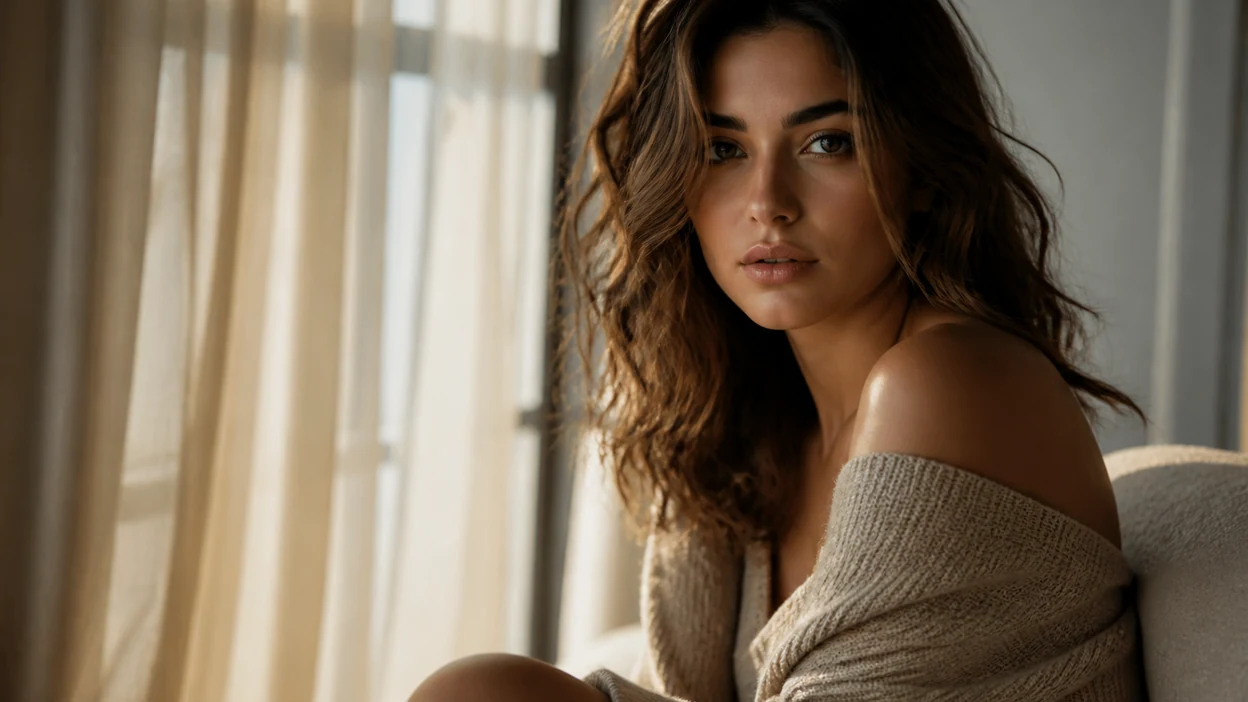
Built-in reasoning & planning
GPT Image 2 plans, researches, and reasons about image structure before it draws—so complex scenes and instruction following stay more reliable than classic diffusion-only workflows.
- Complex prompts follow more closely
- Composition and layering stay steadier
- Fewer costly retries
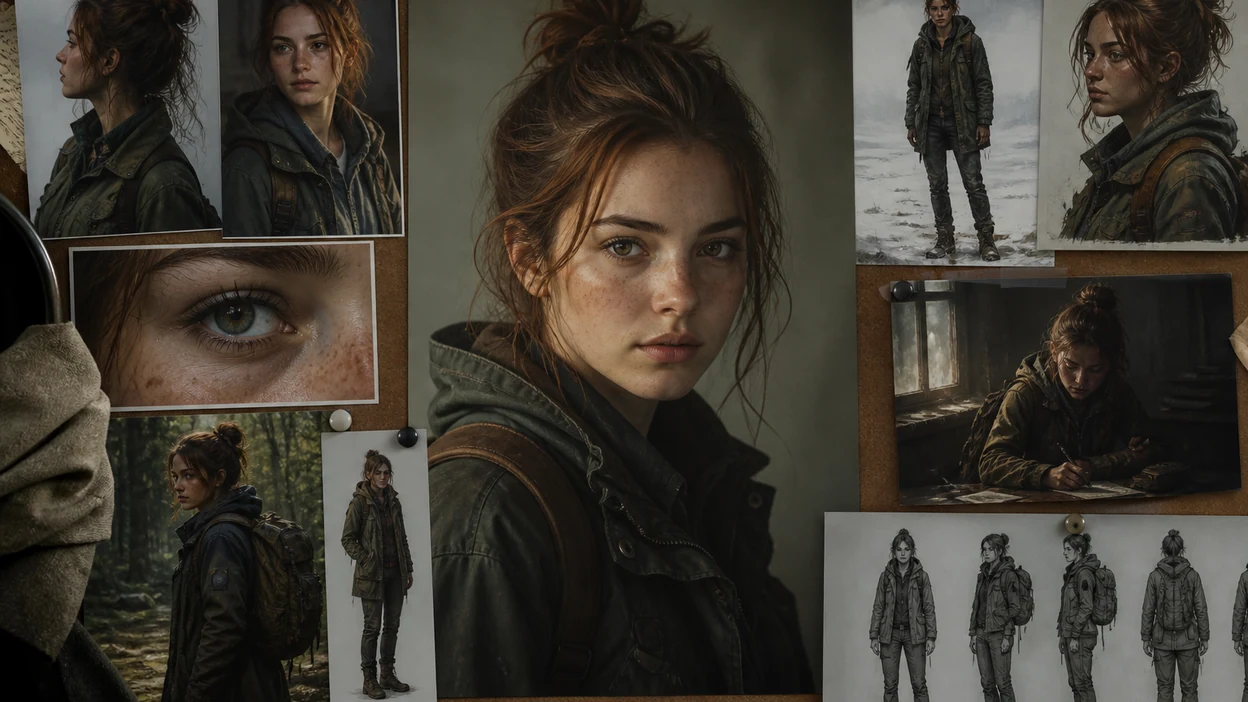
Up to 16 reference images
Pass as many as 16 reference images in a single call for style transfer, character consistency, and context-aware local edits—so series work stays on-brand.
- Keep characters and products consistent
- More stable style references
- Ideal for brand and IP extensions
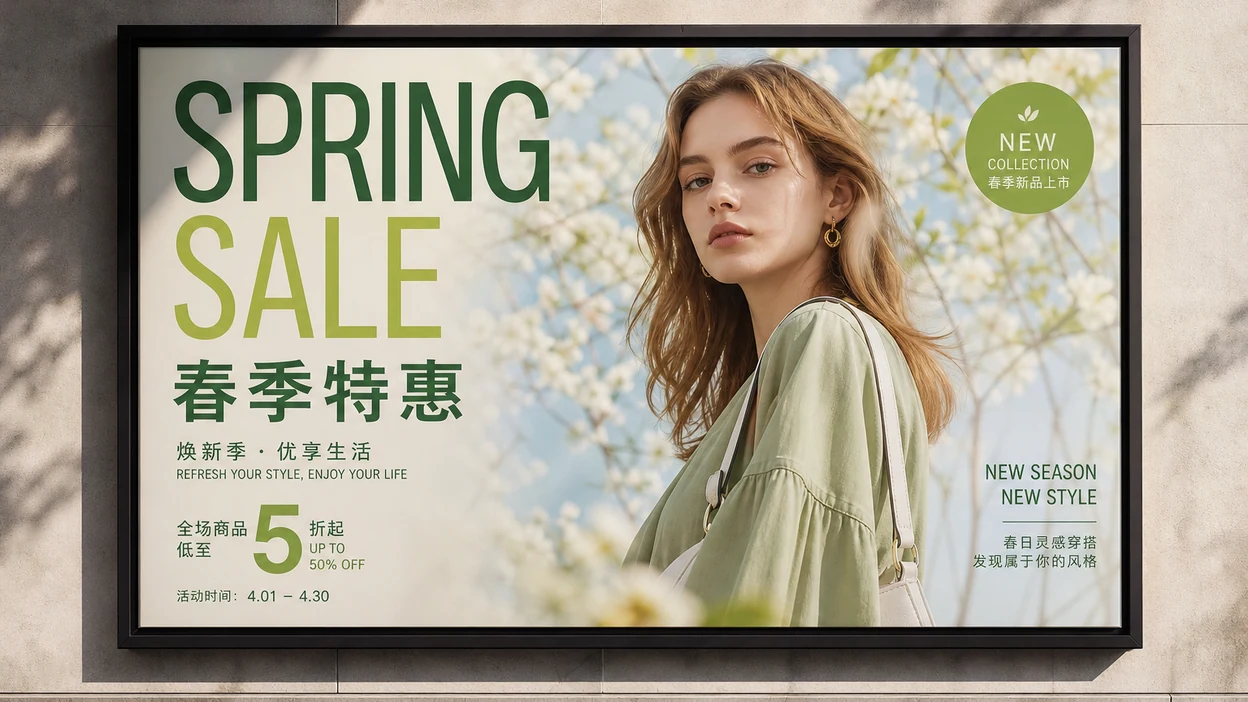
Multilingual text rendering 95%+
GPT Image 2 renders in-image text across Latin, Chinese, Japanese, Korean, Hindi, Bengali, Arabic, and more at over 95% accuracy—built for posters, UI mockups, and global campaigns.
- Clearer poster headlines
- Multilingual ads in one pass
- More readable UI and infographic copy
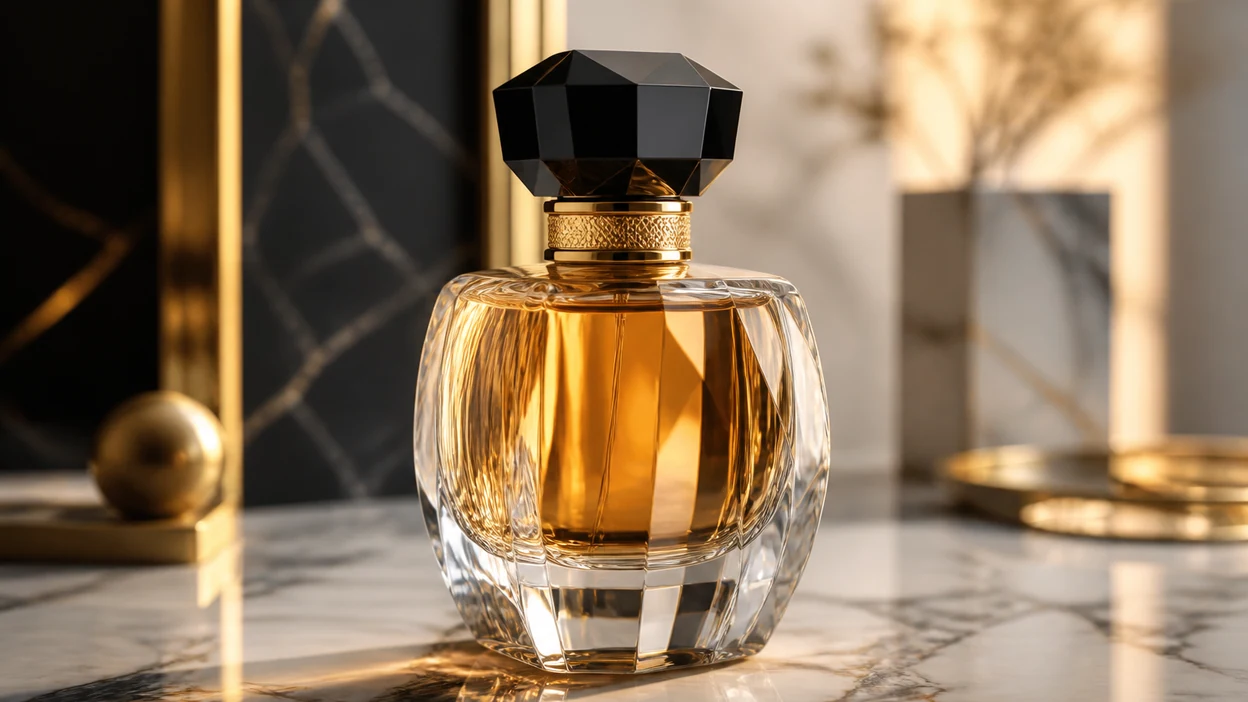
Flexible 1K–4K output
GPT Image 2 supports resolutions from 1K to 4K, with outputQuality (low / medium / high) so you can trade speed for finish quality—from quick previews to final delivery.
- Medium for faster previews
- High / 4K for finals
- Tune cost vs. quality
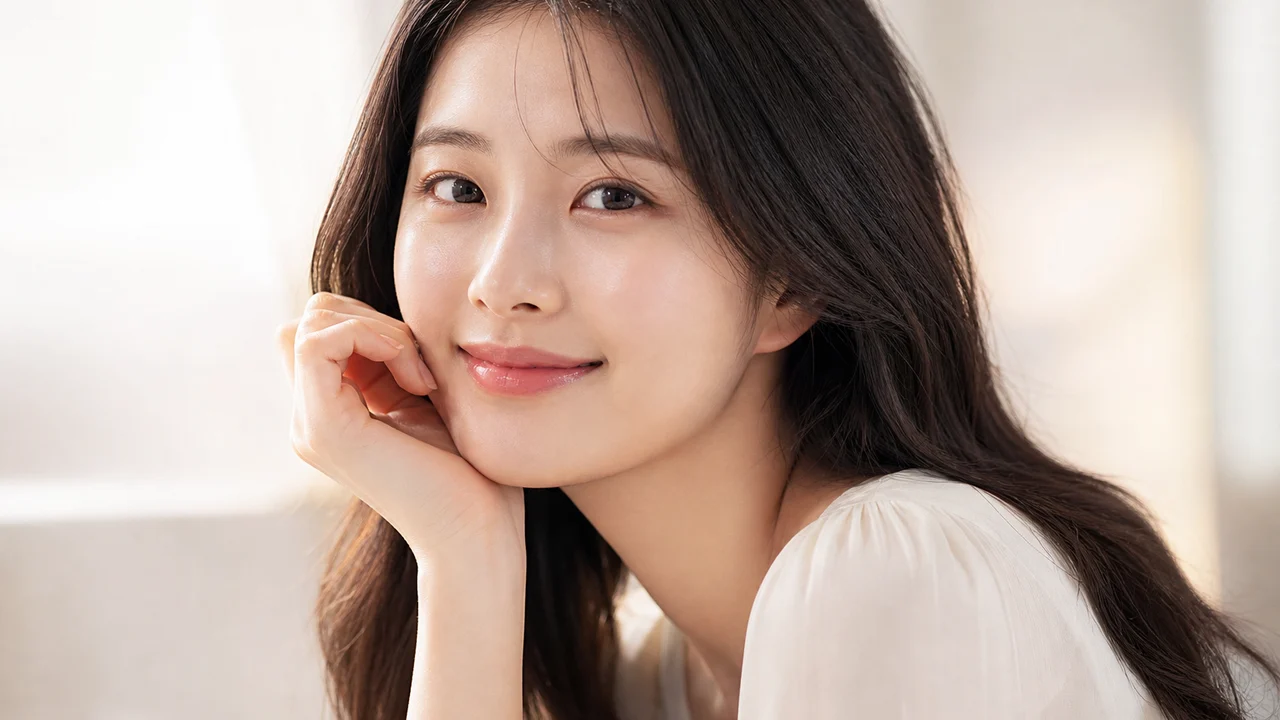
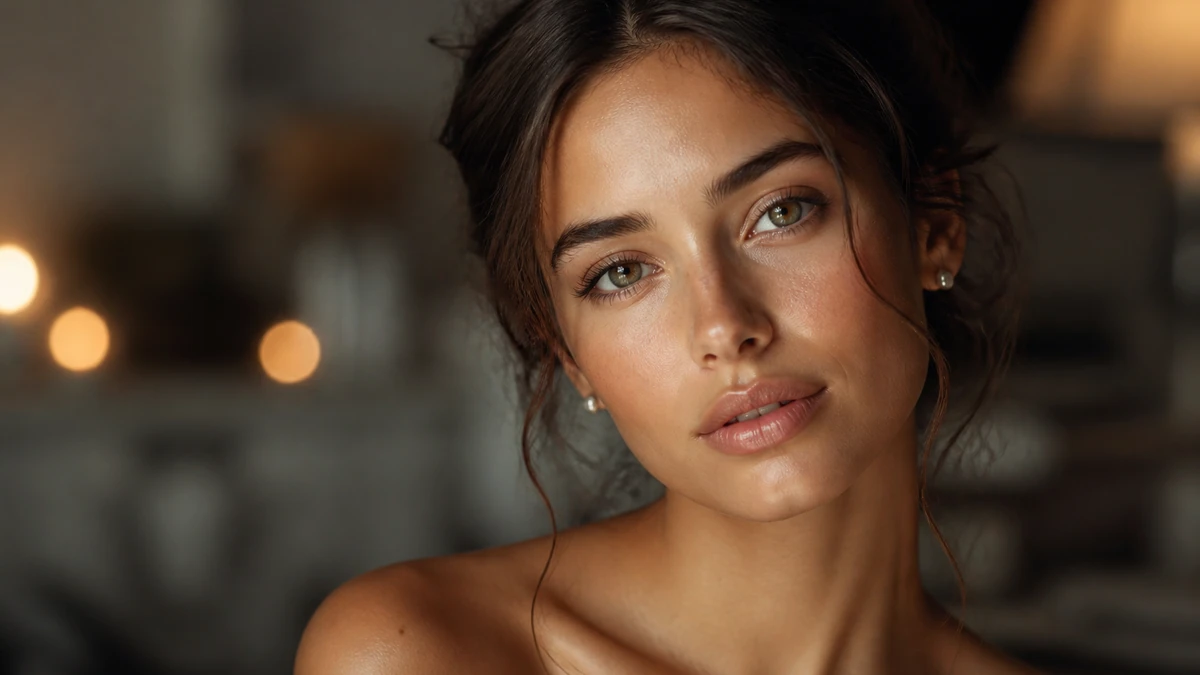
Photorealistic detail
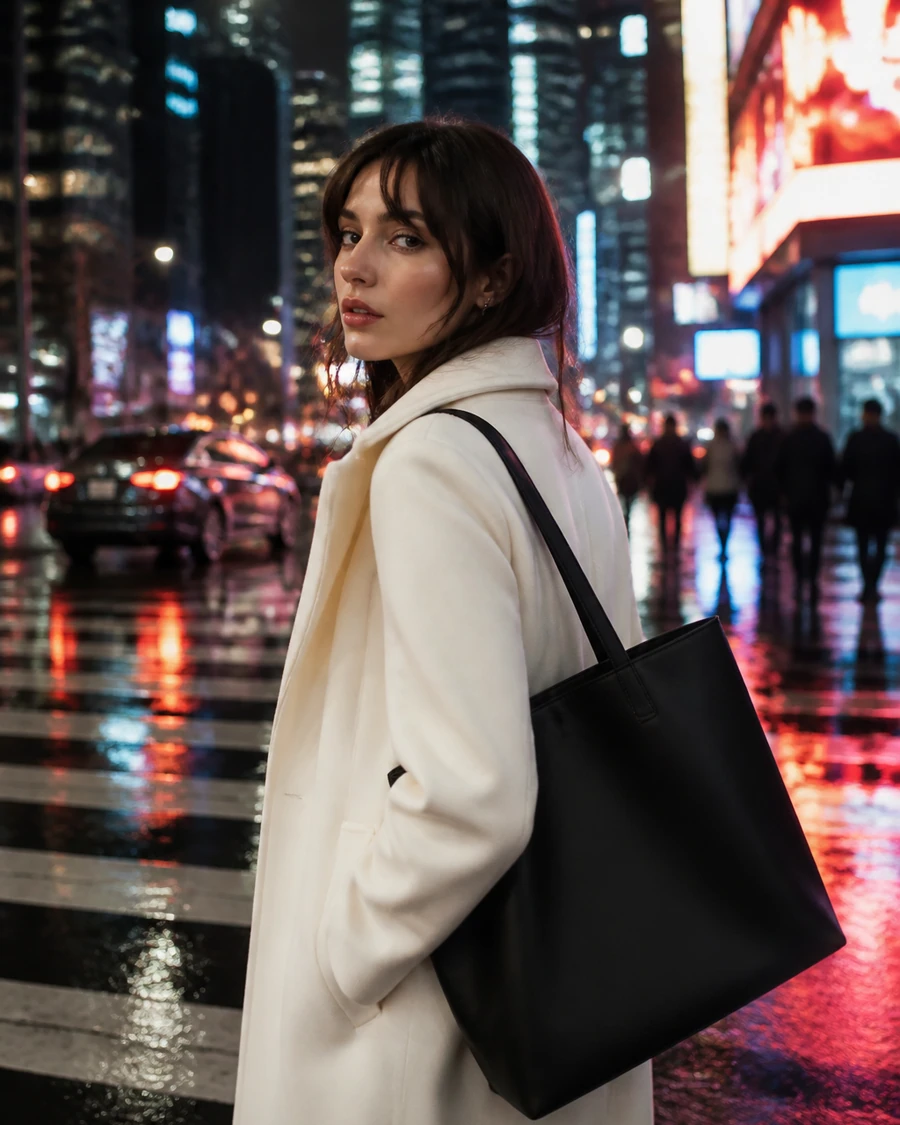
Skin texture, material reflections, and depth of field approach photo-level quality—strong for product shots, commercial ads, and realistic portraits.
- More believable materials and light
- Ready for e-commerce and ads
- Finer portrait detail
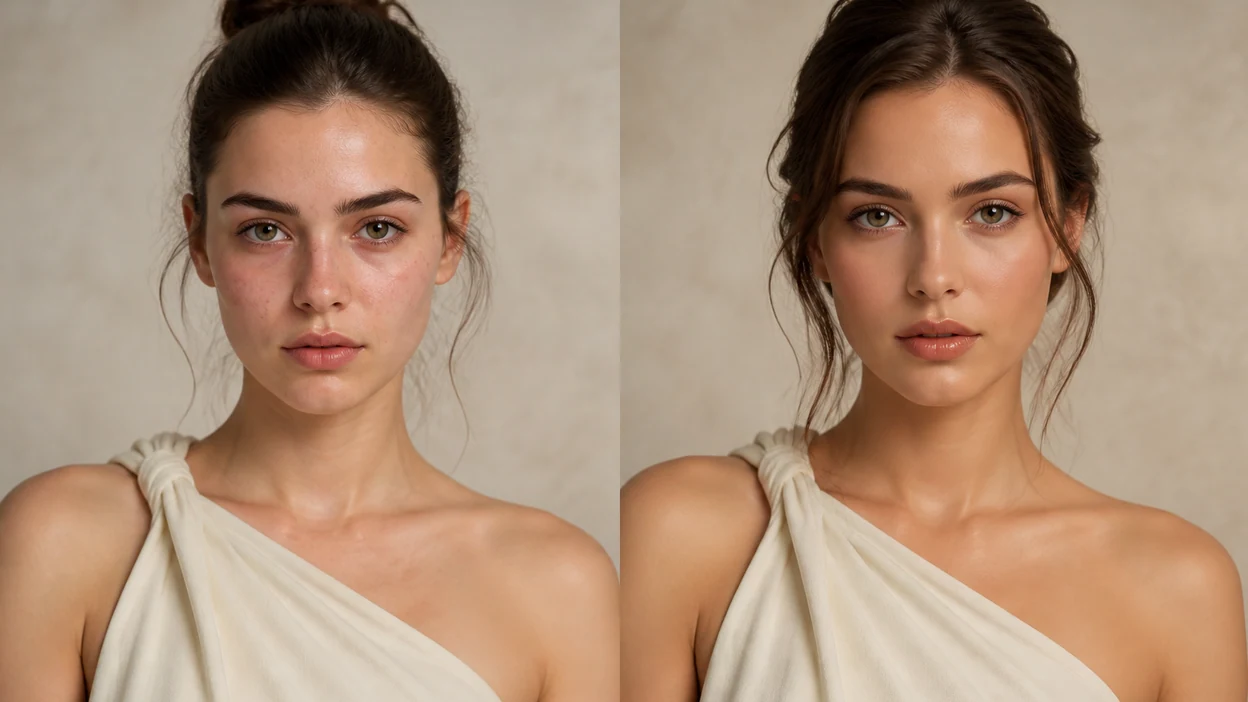
Contextual image editing
Identity-aware and local edits let you change backgrounds, outfits, or scene elements while keeping the subject intact—one model for generate and refine.
- Preserve identity and key elements
- More precise local edits
- Generate and edit in one place
Model & parameters
In focus: GPT Image 2
Released April 21, 2026. OpenAI’s flagship image generation and editing model—built around reasoning, multi-reference guidance, and high-accuracy text in images.
Flagship Model
Image 2
outputQuality Three quality tiers
Use low / medium / high to balance speed and finish. Validate prompts and composition on medium, then switch to high for finals.
Explore on medium, finalize on high
1K–4K Multiple resolutions
Output from 1K to 4K. Stay lower while iterating, then move to 4K for delivery, print, or large-format work.
Match resolution to the job
16 refs Up to 16 references
Upload up to 16 reference images per call for style transfer, character consistency, and context-guided edits.
Key control for series work
text 95%+ Multilingual text in images
In-image text accuracy above 95% across Chinese, English, Japanese, Korean, and more scripts—great for headlines, UI copy, and infographics.
Spell out the exact words you want shown
aspect ratio Flexible aspect ratios
Multiple aspect ratios for social posts, posters, product hero shots, and landscape ads.
Lock the frame before you write composition
editing Contextual editing
Local edits that keep subject identity and critical elements—change background, wardrobe, or scene without regenerating everything.
Say what to keep and what to change
Note: Quality tiers and resolution are independent on GPT Image 2. Iterate with medium + a lower resolution; switch to high or 4K for finals. For stable characters or packaging, upload references and spell out what must stay vs. what should change.
Getting started
How to use GPT Image 2
Four steps from idea to finished frame—built for first-time creators on bikabika AI.
- 1
Open the workspace
Click “Try GPT Image 2 now” to open the image workspace, then sign in or create an account to start.
- 2
Write your prompt
Describe subject, style, lighting, composition, and any in-image text in plain language. Upload 1–16 references when you need style or character consistency.
- 3
Set parameters
Choose resolution, aspect ratio, and outputQuality. Use medium while exploring; switch to high or 4K when you’re happy.
- 4
Iterate and export
Check text readability and detail. Tweak the prompt, add references, or use edit mode for local fixes—then export.
Use cases
What you can make with GPT Image 2
Start with one sentence and turn ideas into visuals you can ship.
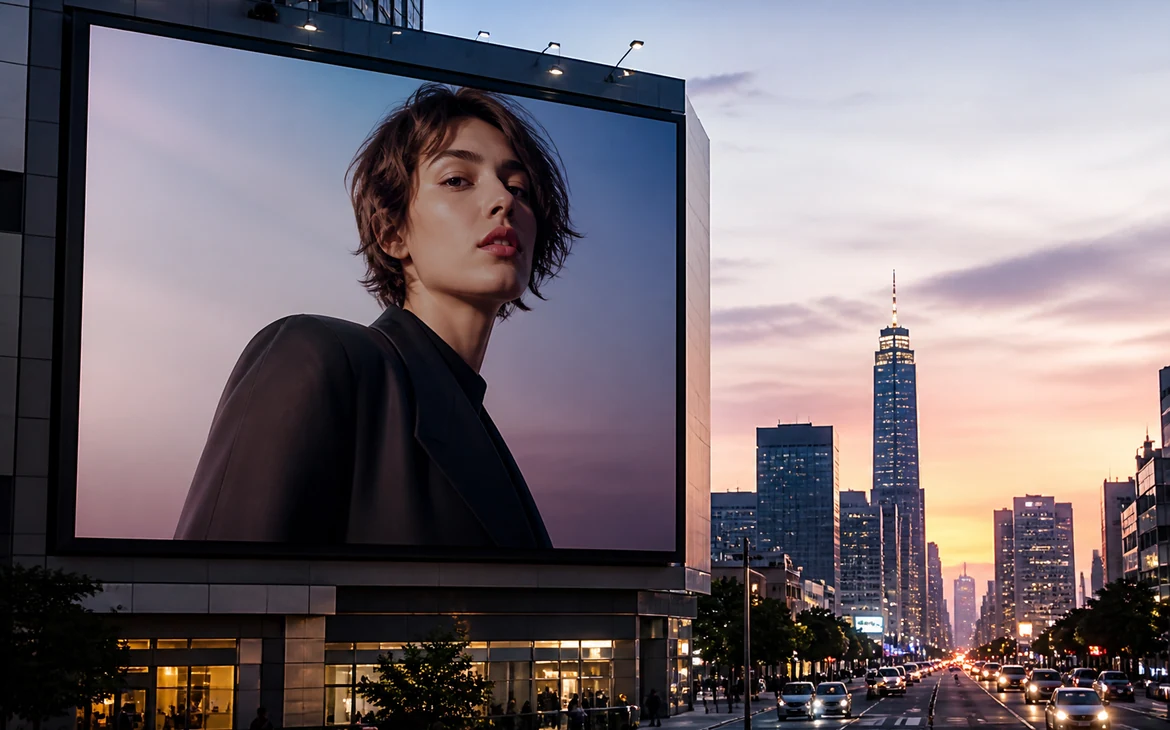
01
Brand posters & multilingual ads
Lean on high-accuracy text rendering to produce posters and campaign assets with headlines and slogans in multiple languages.
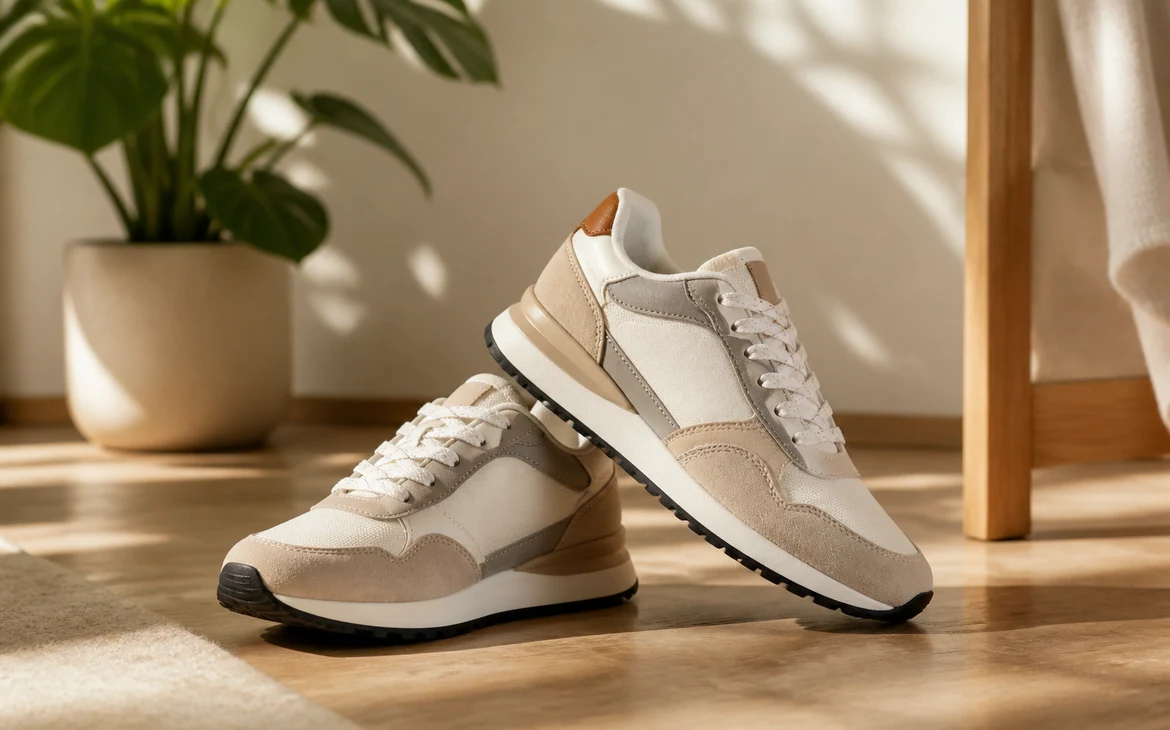
02
E-commerce product & scene shots
Generate photoreal product displays and lifestyle composites, and keep packaging on-brand with reference images.
03
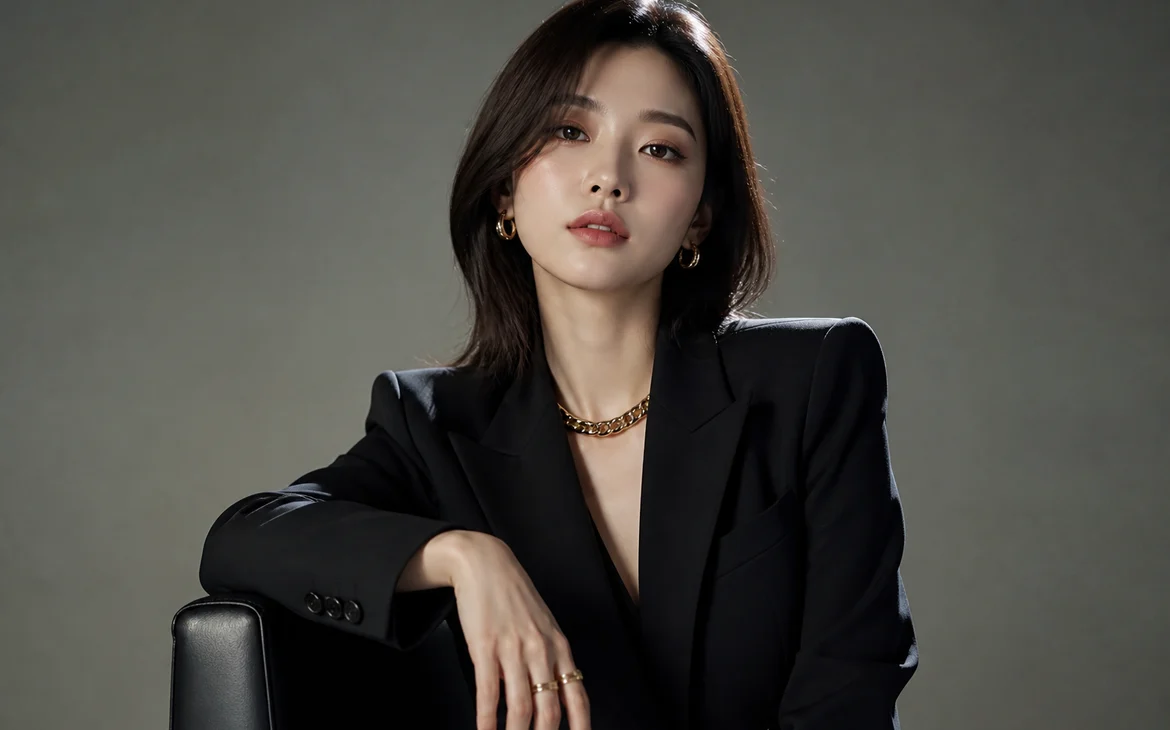
Portraits & character looks
Create photoreal portraits, mood shots, or character sheets—and try makeup, wardrobe, and camera language quickly.
04
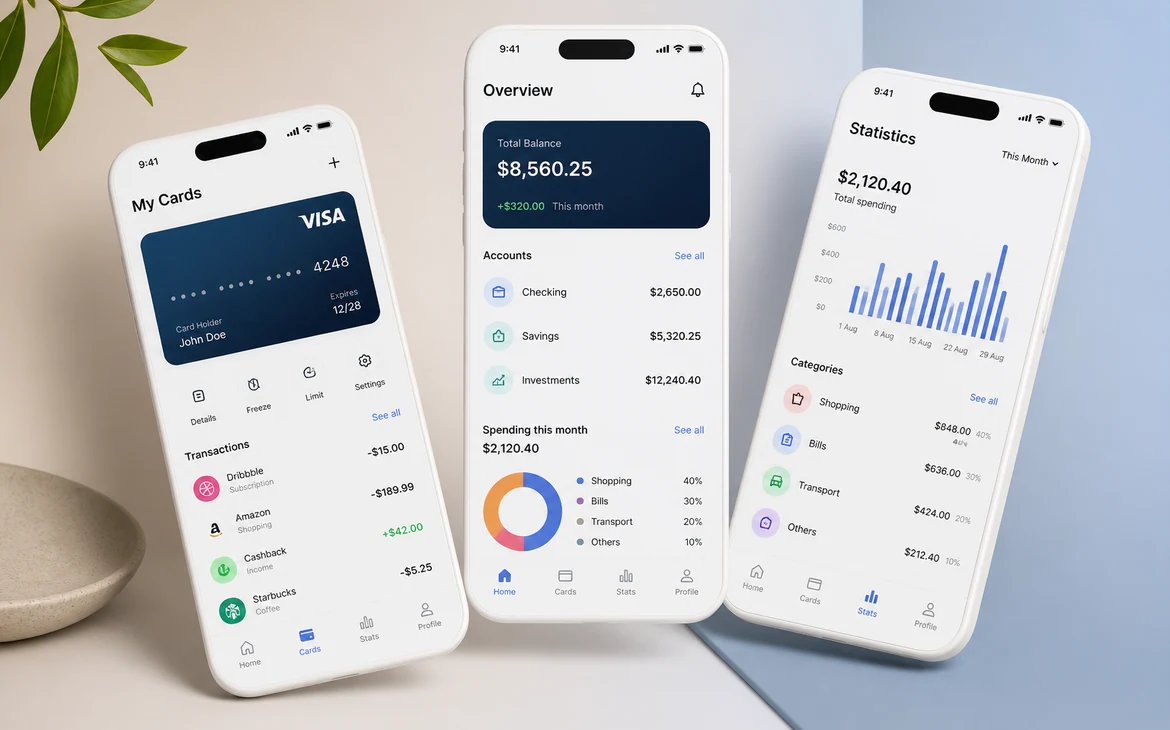
UI mockups & infographics
Draft interface concepts, infographics, and visuals with readable copy—useful for demos and concept validation.
FAQ
GPT Image 2 FAQs
Capabilities, parameters, text rendering, and how to get started.
What is GPT Image 2, and who is it for?
How does GPT Image 2 differ from GPT Image 1?
Which languages can GPT Image 2 render as text in images?
How many reference images can I upload?
How should I choose resolution and quality?
Where can I try GPT Image 2 right away?
Best practices
Tips for better results with GPT Image 2
A few simple habits for steadier generations and cleaner edits.
Medium first, high later
Use medium to lock composition and wording, then high or 4K for finals—saving time and API cost.
Lead with subject, light, and text
Prioritize subject, camera, and lighting. When you need in-image copy, write the exact words—more effective than stacking adjectives.
References for consistency
For recurring characters or brand looks, upload multiple references and list must-keep elements to reduce style drift.
Spell keep vs. change when editing
For local edits, state what to preserve and what to change so contextual editing beats full regenerations.
Pick the frame before composition
Choose aspect ratio for the deliverable (vertical social, landscape poster, square product), then describe composition.
Let reasoning handle complex briefs
GPT Image 2’s built-in reasoning thrives on clear steps and constraints—you don’t need to shatter the brief into tiny fragments.
Blog
Latest from the blog
AI image tips, model comparisons, and practical prompt workflows.
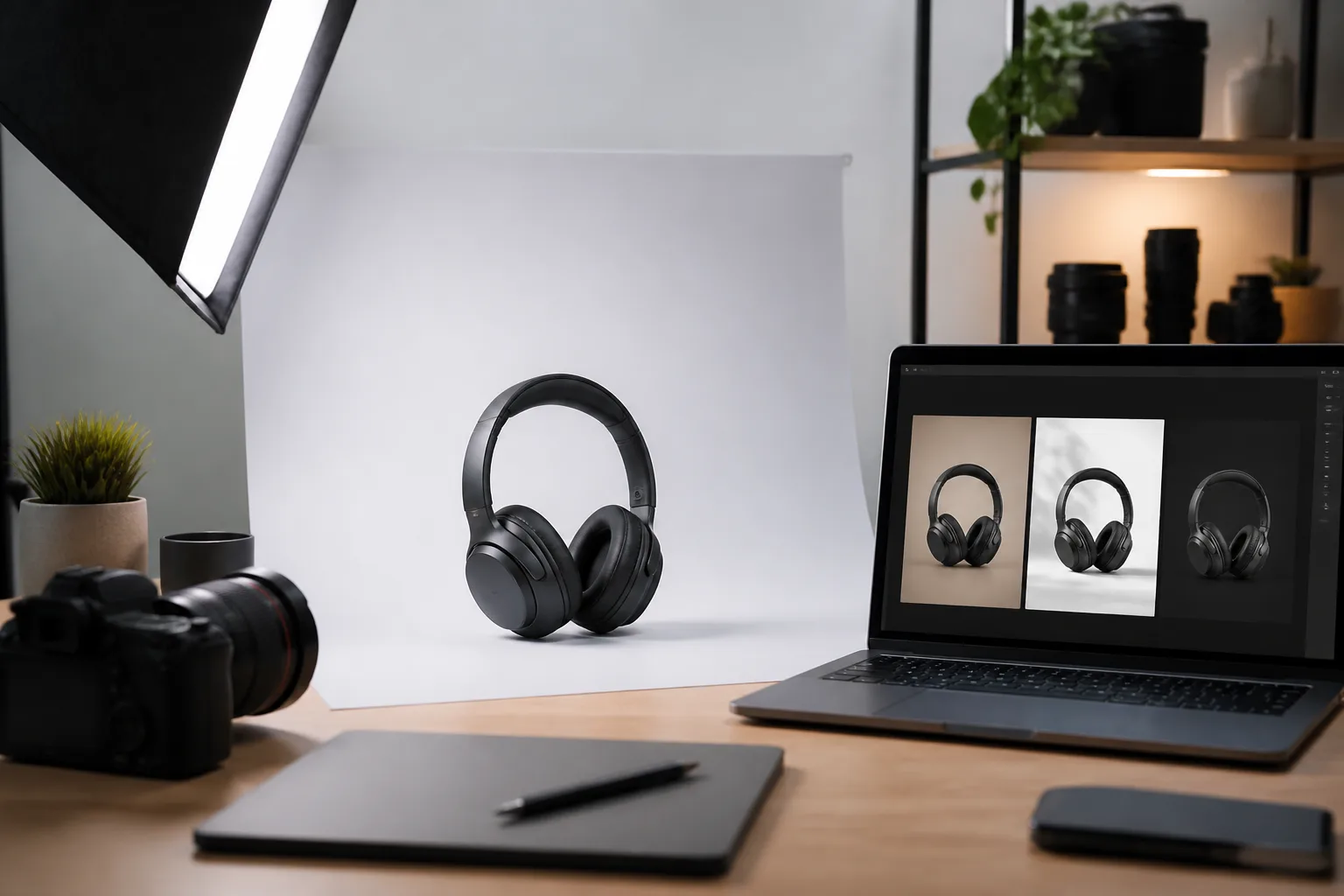
AI Product Photo Workflow 2026: Generate, Cut Out, Enhance, Ship
A practical 2026 AI product photography workflow—generate heroes in the AI Image Generator, clean backdrops with Background Remover, sharpen with Photo Enhancer, and ship ecommerce-ready frames on bikabika AI.
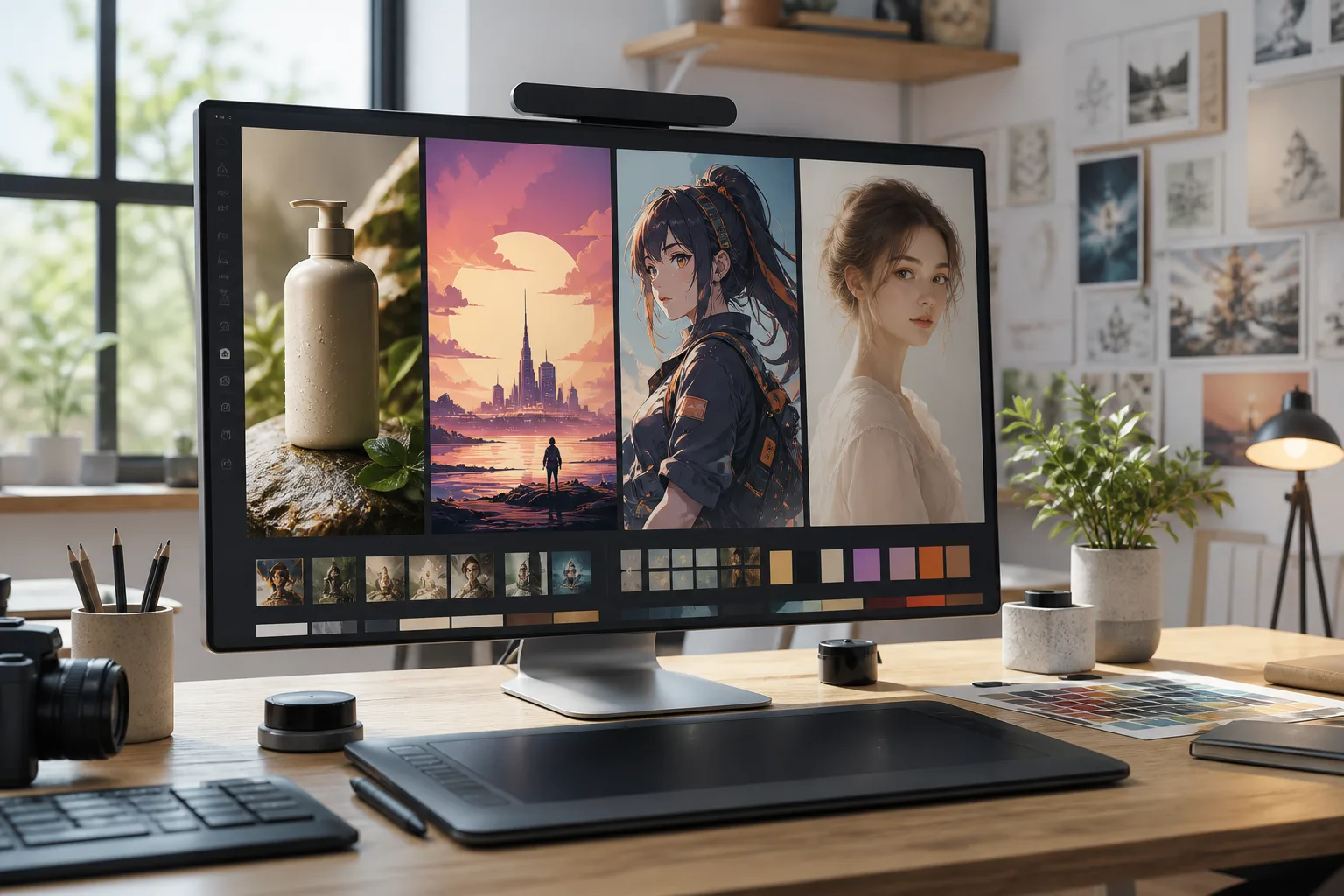
Best AI Art Generator in 2026: A Multi-Model Workflow That Actually Ships
Looking for the best AI art generator in 2026? Skip single-model rankings. Build a multi-model workflow across Midjourney, GPT Image 2, Nano Banana, and on-site tools so ideas become publish-ready art faster.
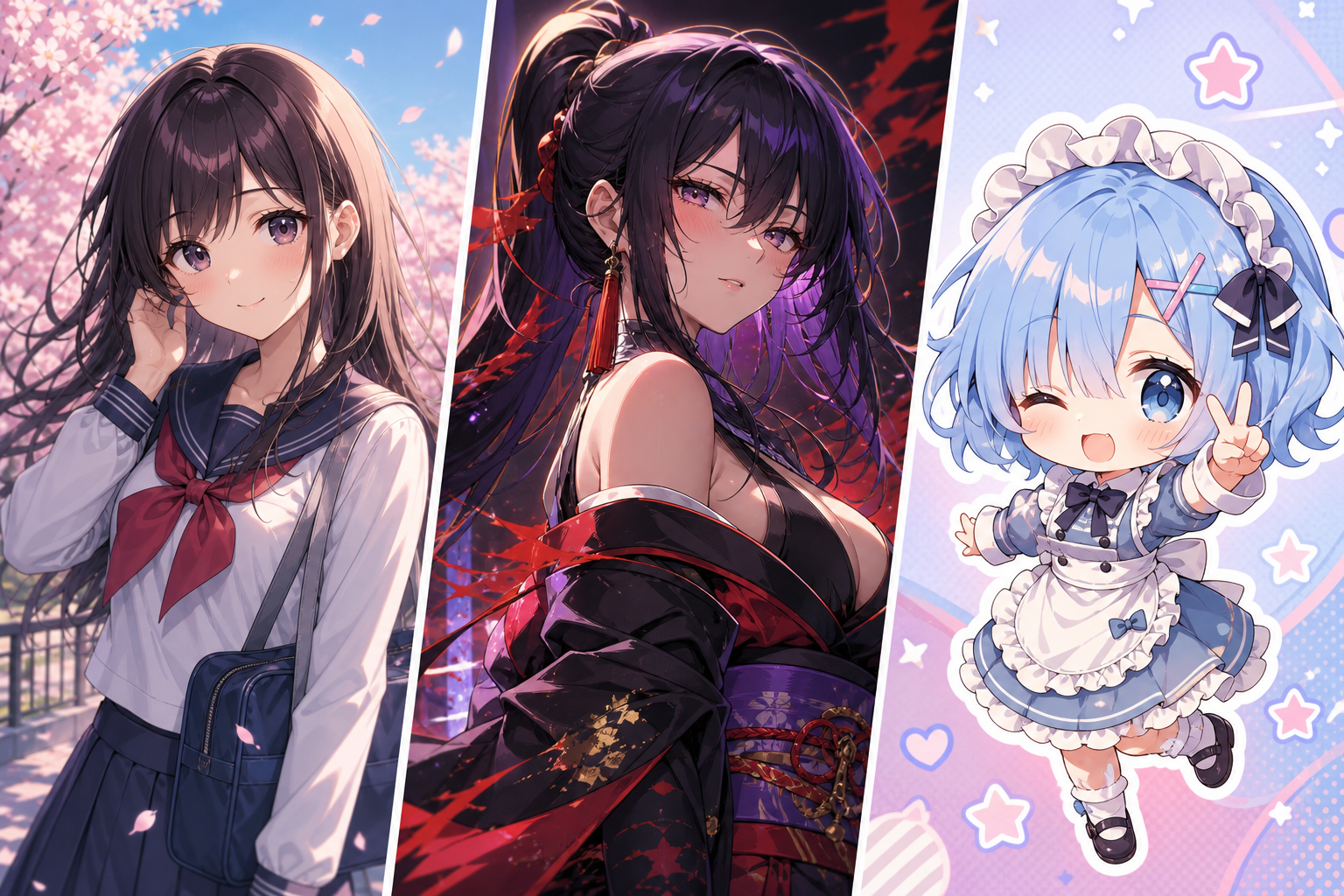
Best AI Image Generator for Anime Fan Art & Doujinshi (2026 Guide)
A practical 2026 guide to AI image generators for anime fan art and doujinshi-style illustrations—when to use Midjourney, GPT Image 2, Nano Banana, and the bikabika AI Anime Generator, plus cover art, badge, and compliance tips.
Ready when you are
Start generating with GPT Image 2
Open the bikabika AI workspace to run text-to-image, multi-reference guidance, and contextual edits with GPT Image 2. Capabilities and best practices live here—so creation moves faster.