
bikabika AI
AI Image Generator
Online text-to-image for product shots, posters, illustrations, and concept art—compare Midjourney, GPT Image 2, and Nano Banana in one hub for marketing, e-commerce, design, and content creation.
- Text to image online
- Multi-model compare
- HD output
- Create without Discord hopping
📖 Intro
What is an AI Image Generator?
An AI Image Generator is a tool that creates images from text prompts. Describe the subject, style, composition, and lighting—and the model outputs visuals you can use for marketing, e-commerce, design drafts, and published content.
Unlike traditional photography or hand drawing, AI image generation is built for fast iteration: test multiple compositions and styles in minutes, pick what works, then refine or move into production—cutting time and cost.
On bikabika AI, we gather mainstream models such as Midjourney, GPT Image 2, and Nano Banana so you can compare strengths and jump into online creation with one click.
Quick model fit: Midjourney often wins for artistic mood and poster energy; GPT Image 2 for instruction following, in-image text, and commercial constraints; Nano Banana for fast, low-cost draft rounds. Run the same brief across models here, then lock the lane that ships.
💡 Why choose
Why creatives choose bikabika AI Image Generator
Most AI tools promise speed. Speed without quality only creates more cleanup. bikabika AI Image Generator is built for creators who care about craft and efficiency—aggregating leading models and high-frequency workflows in one place.
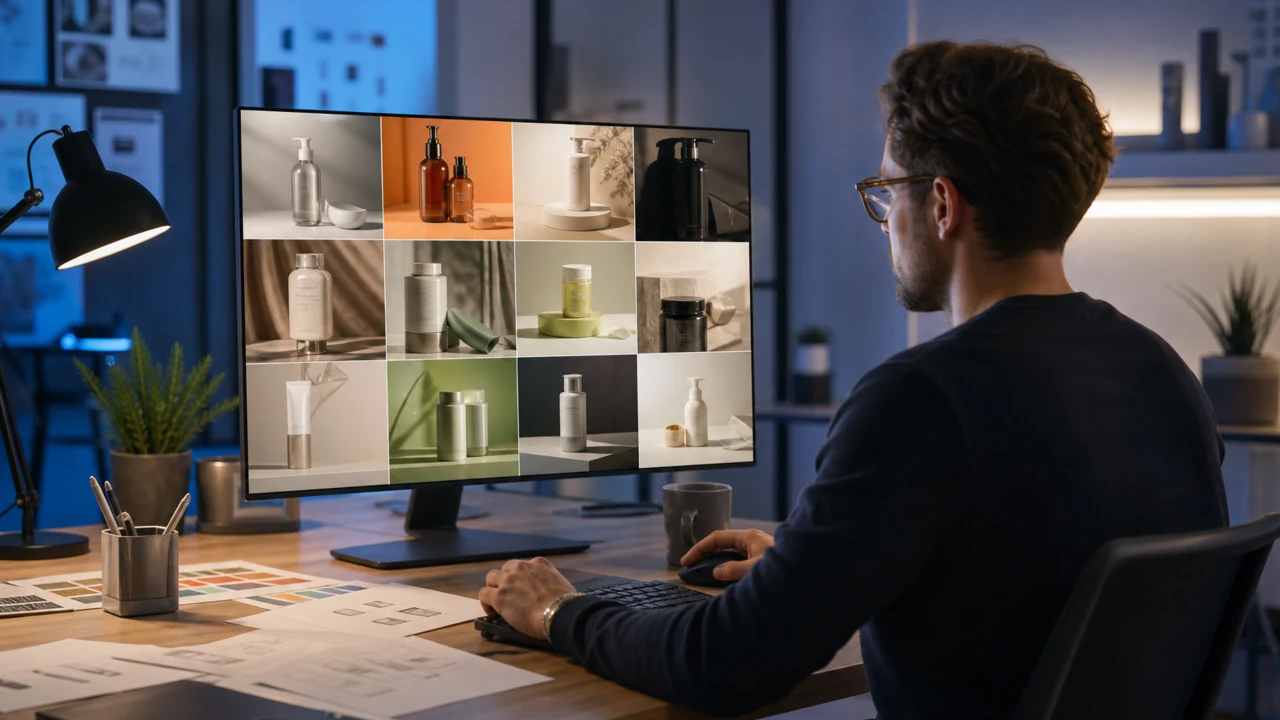
From idea to finished image, in one flow
Move from Text to Image and Image to Image into targeted refinements without jumping between apps—so concepts become publish-ready visuals faster.
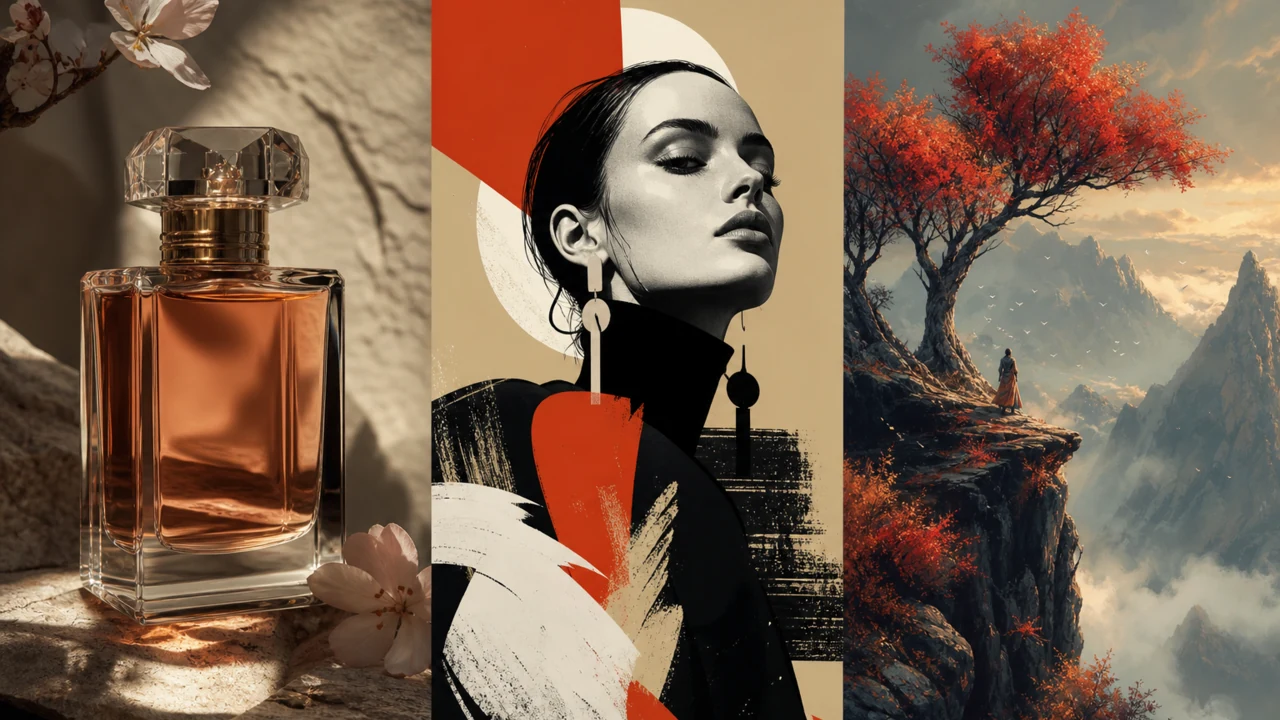
Diverse styles with professional polish
Go from product photography realism to posters, illustration, and concept art. Prototype, pitch, or publish without hitting a creative dead end.
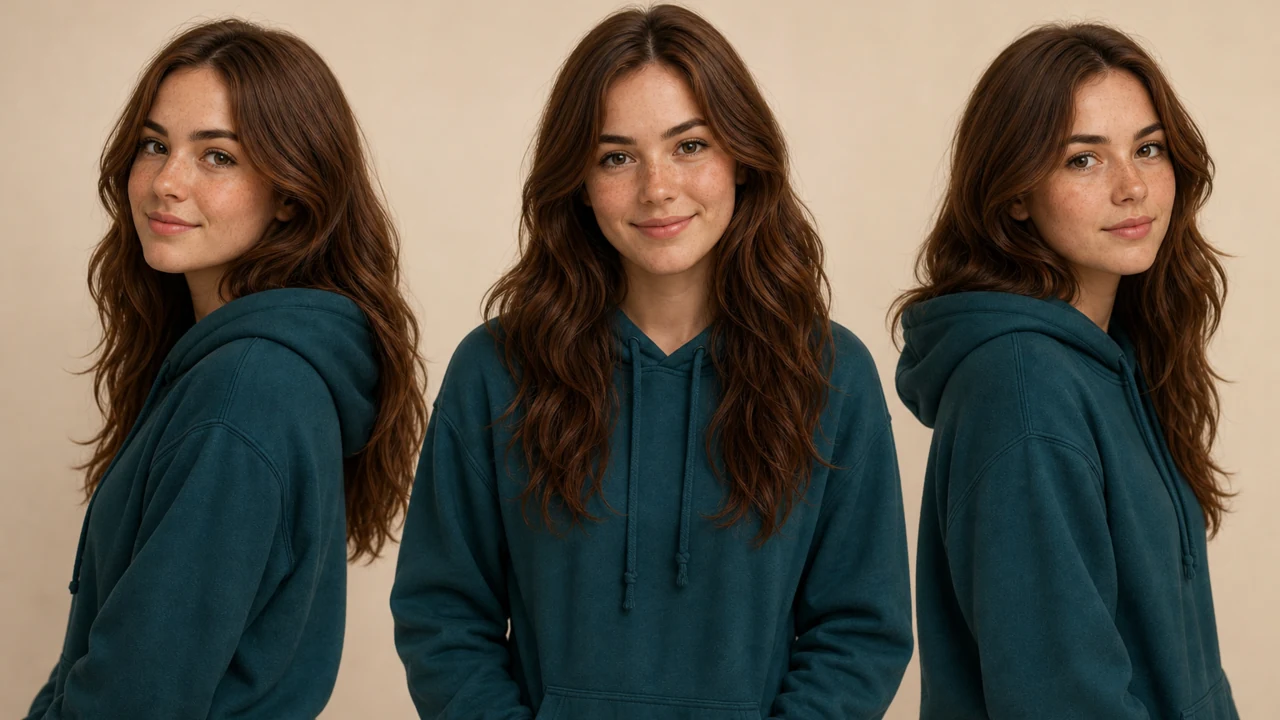
Consistency and control
Character consistency, reference guidance, and iterative prompting help keep people, styles, and brand cues aligned across series work for marketing, ecommerce, and ongoing content.
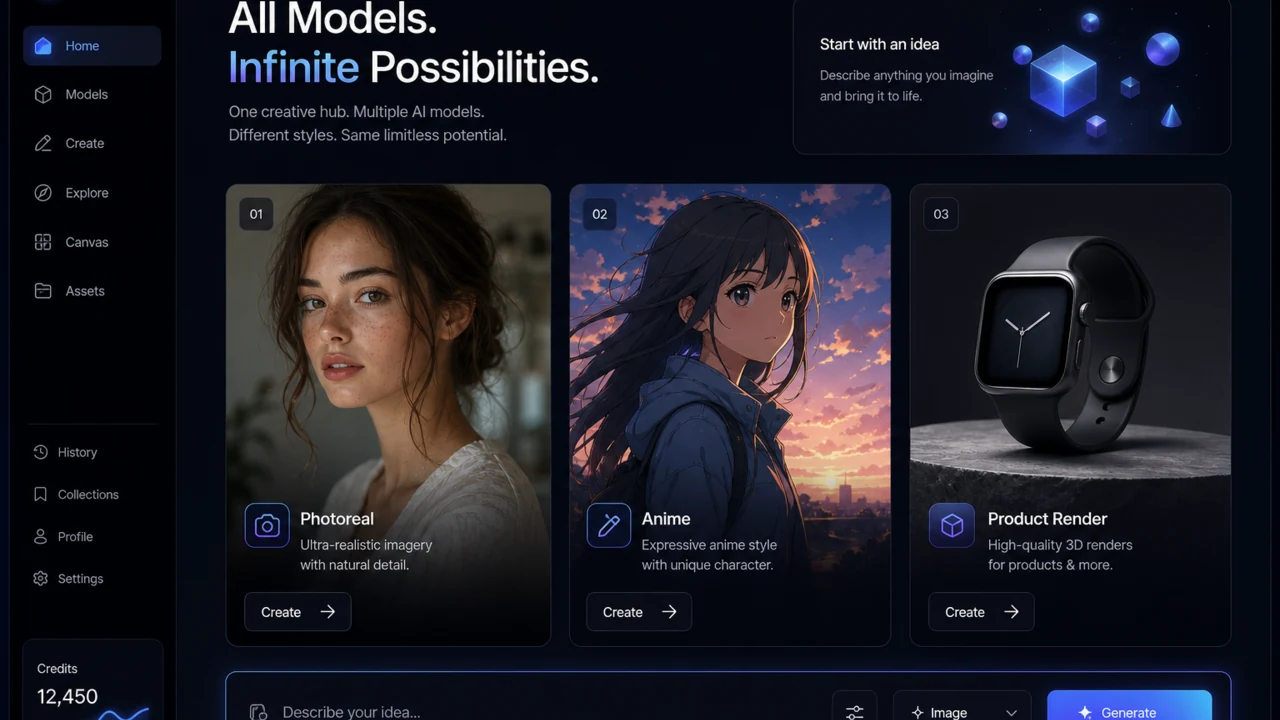
Built for real creatives’ multi-model needs
Compare Midjourney, GPT Image, Nano Banana, and more side by side, then jump into the model that fits the job—instead of being locked into a single generator.
✨ Features
AI Image Generator core features
Covers high-frequency workflows—Text to Image, Image to Image, image editing, and character consistency—so you move from idea to finished image more smoothly.
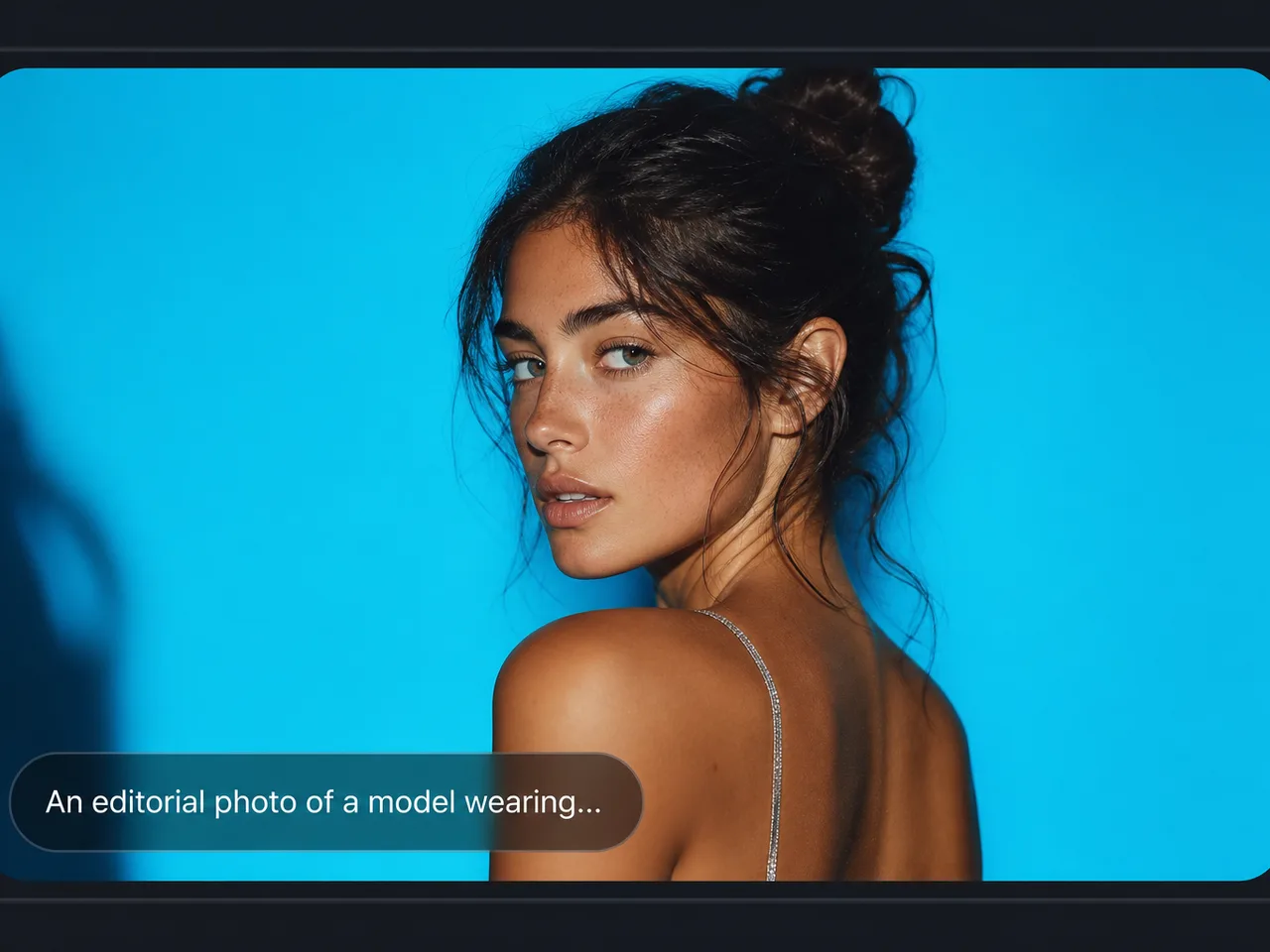
01
Text to Image
Generate product shots, posters, illustrations, and concept art from prompts—the core entry point for any AI Image Generator workflow.
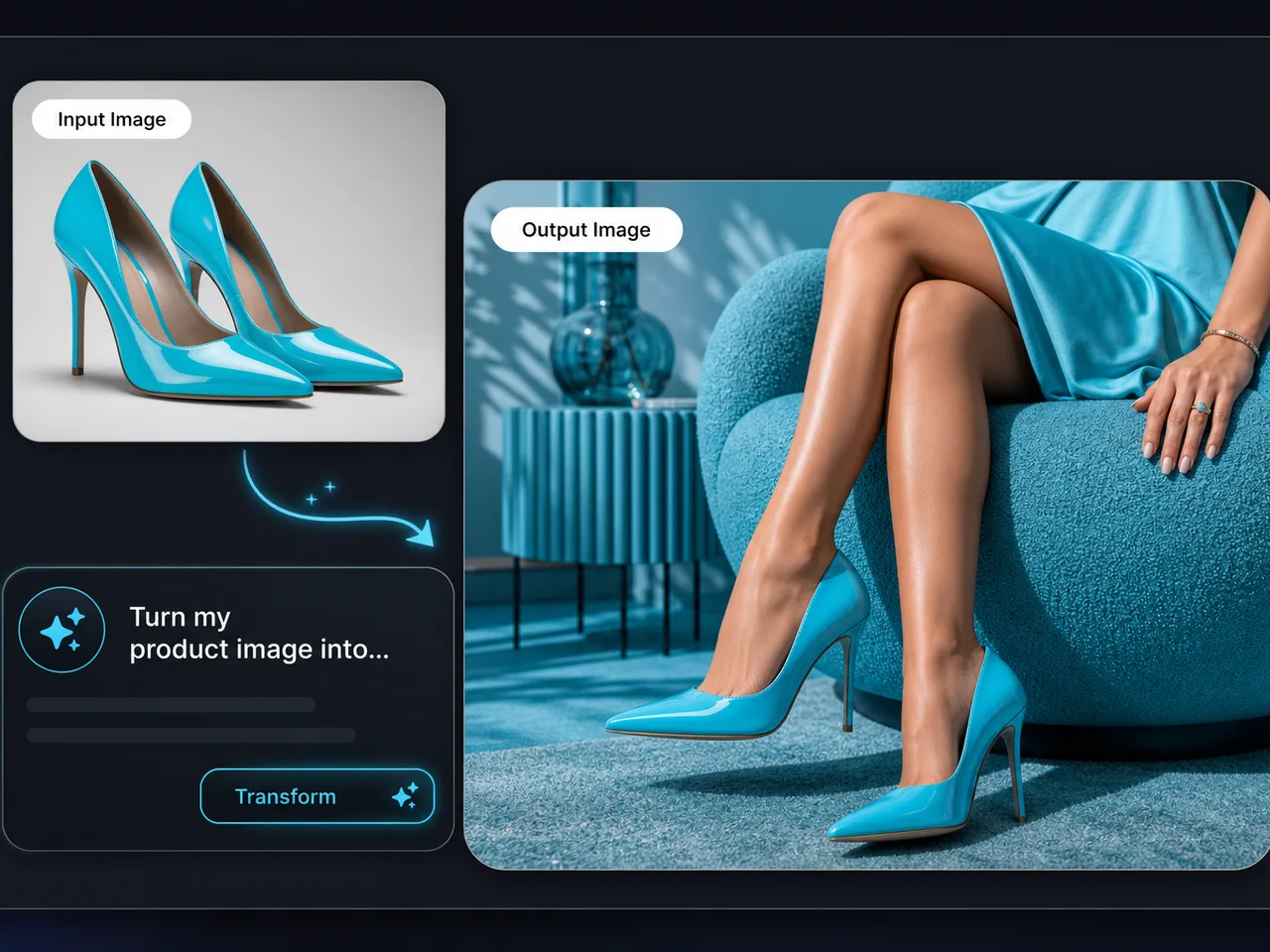
02
Image to Image
Upload sketches, photos, or storyboards as references—keep structure while changing style and materials for series extensions.
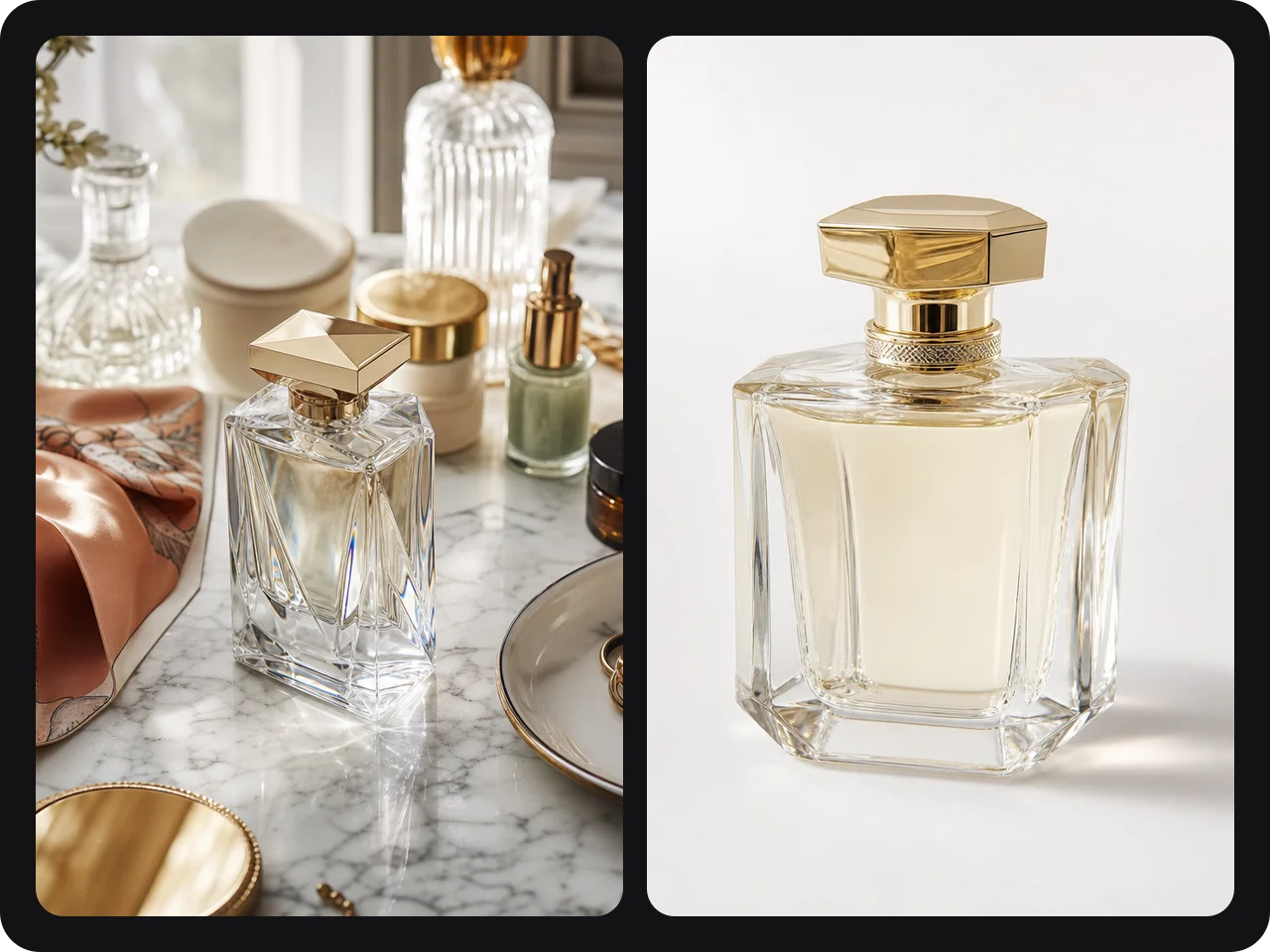
03
Image Editing
Inpaint, outpaint, swap backgrounds, and enhance details on existing results instead of starting from scratch every time.
04
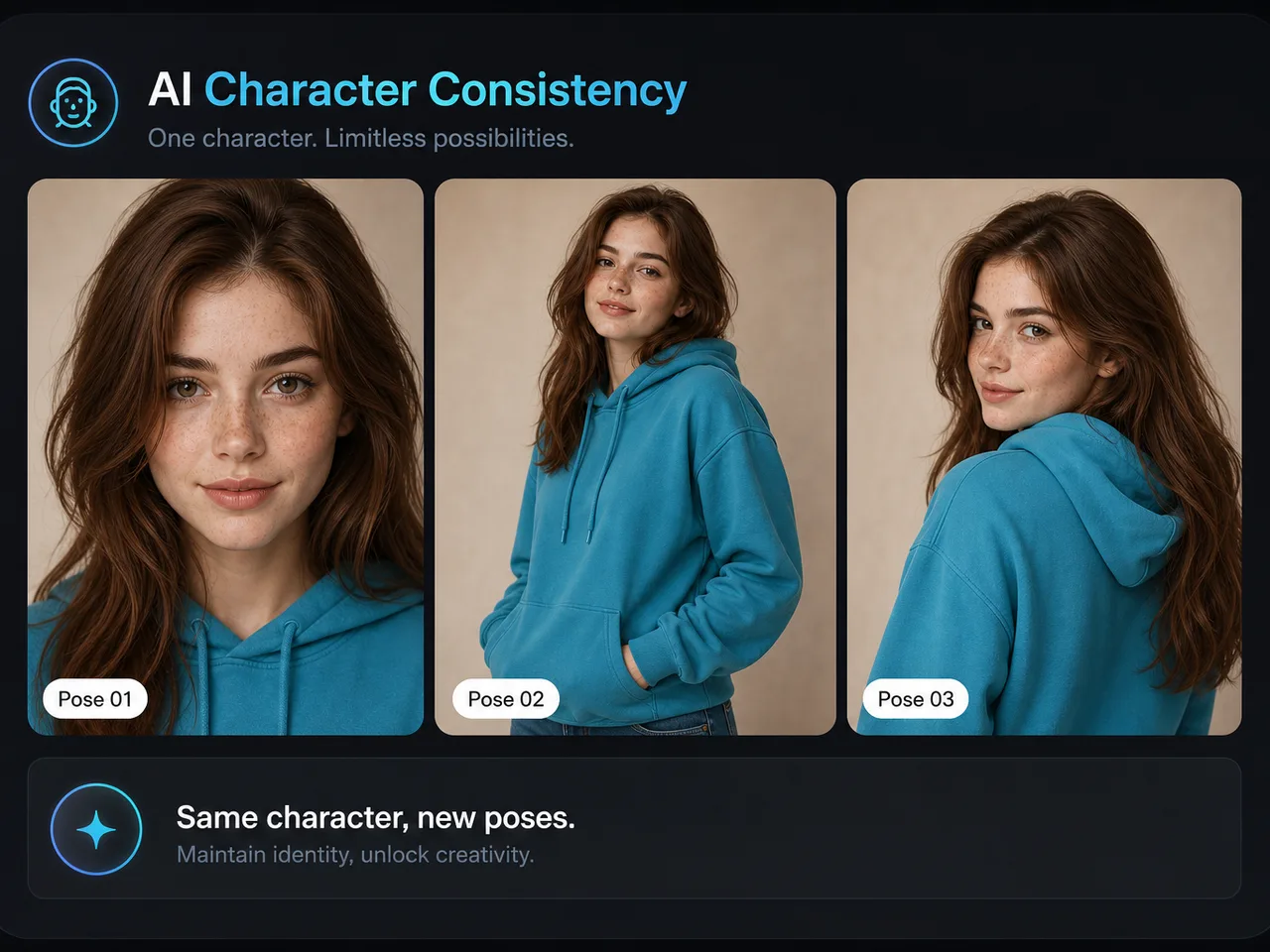
Character Consistency
Lock character traits and reuse them across poses and scenes—fewer “face drift” reworks in serialized content.
05
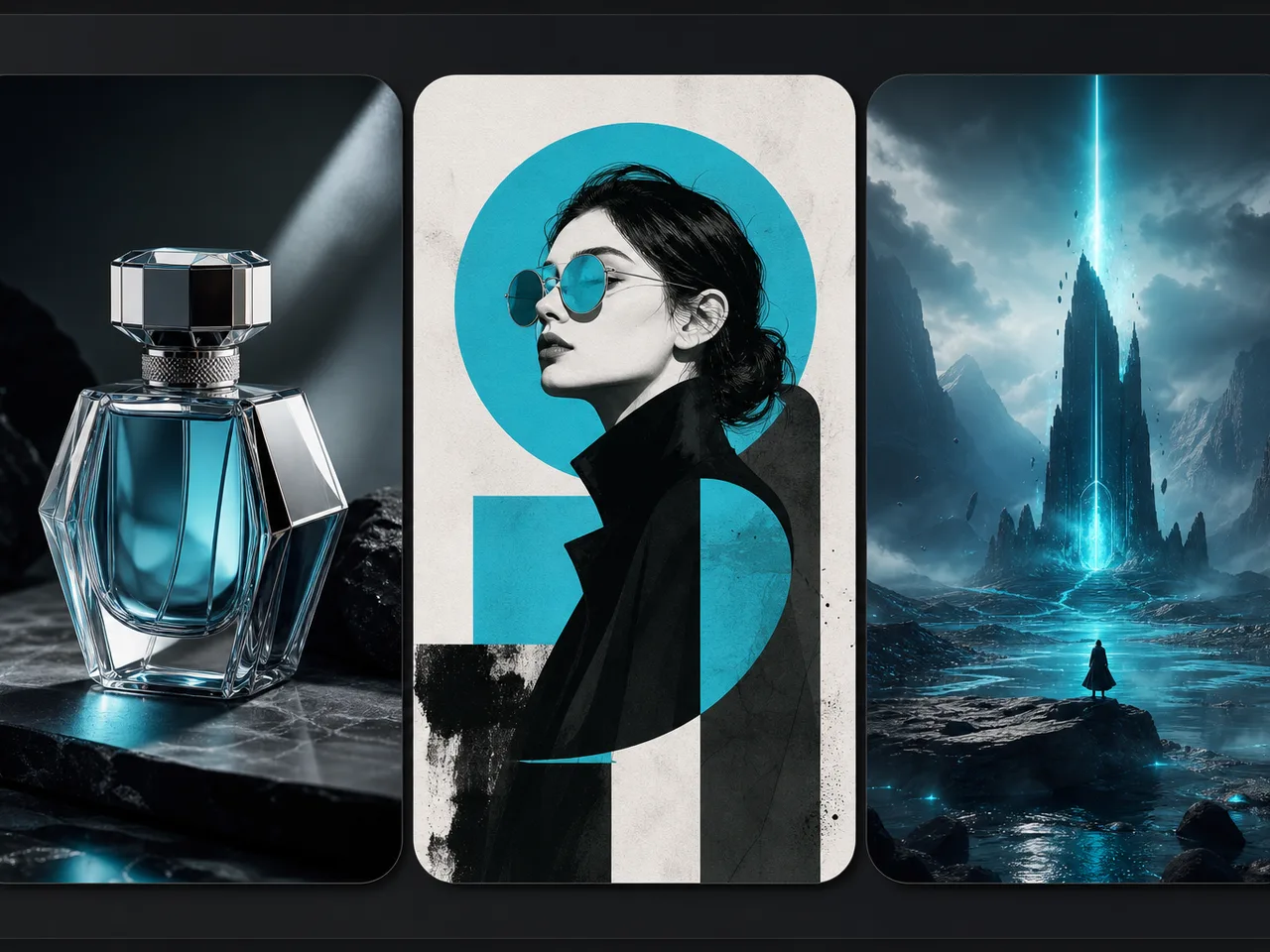
HD output & multi-style
Mainstream models support higher resolutions and directions from photorealism to illustration—suited for covers and ad assets.
06
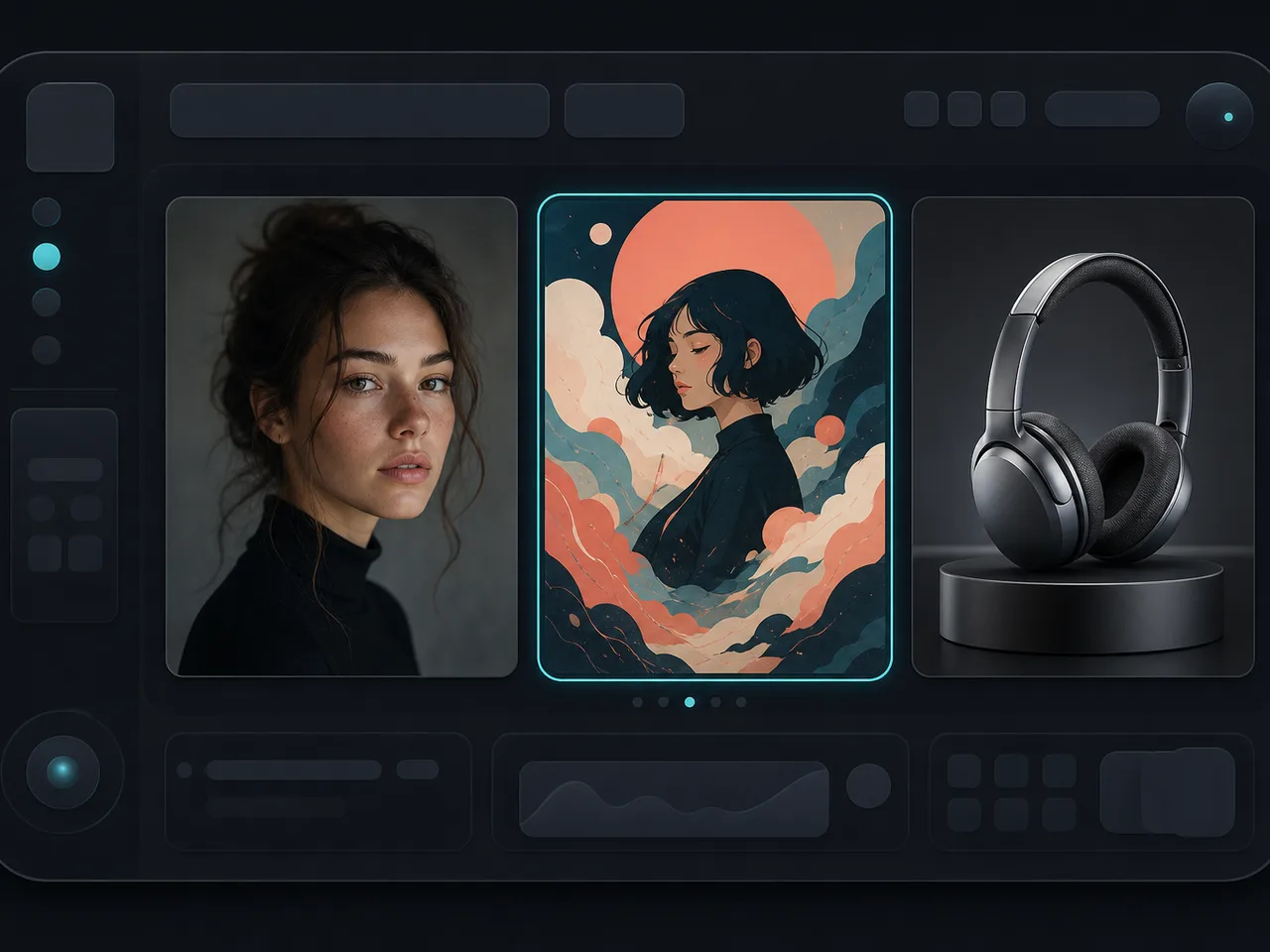
Multi-model hub
Compare Midjourney, GPT Image, and others side by side, then pick the AI Image Generator model that fits each task.
🧭 Guide
How to use an AI Image Generator
Four steps from prompt to finished image.
- EP.01
Choose an image model
Pick Midjourney for artistic mood; choose GPT Image 2 when you need stronger instruction following and text-in-image layouts.
- EP.02
Write a clear prompt
Include subject, materials/appearance, scene, lighting, camera, and quality terms. English, Chinese, or mixed prompts all work.
- EP.03
Generate and shortlist
Create multiple candidates, compare composition, detail, and style stability, then keep the closest match.
- EP.04
Iterate or polish
Add missing details, adjust keywords, or continue with reference images until the result is publish-ready.
🖼 Featured
AI Image Generator featured cases
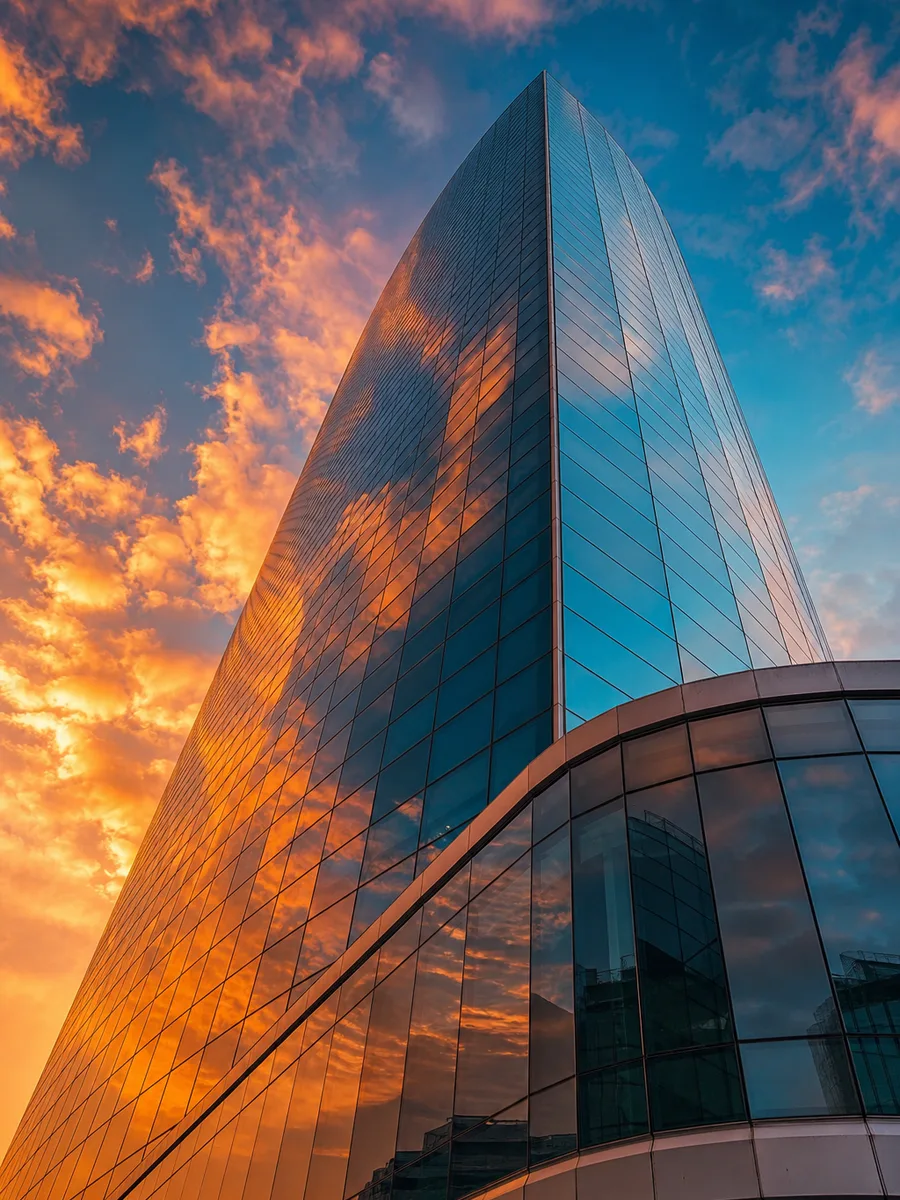
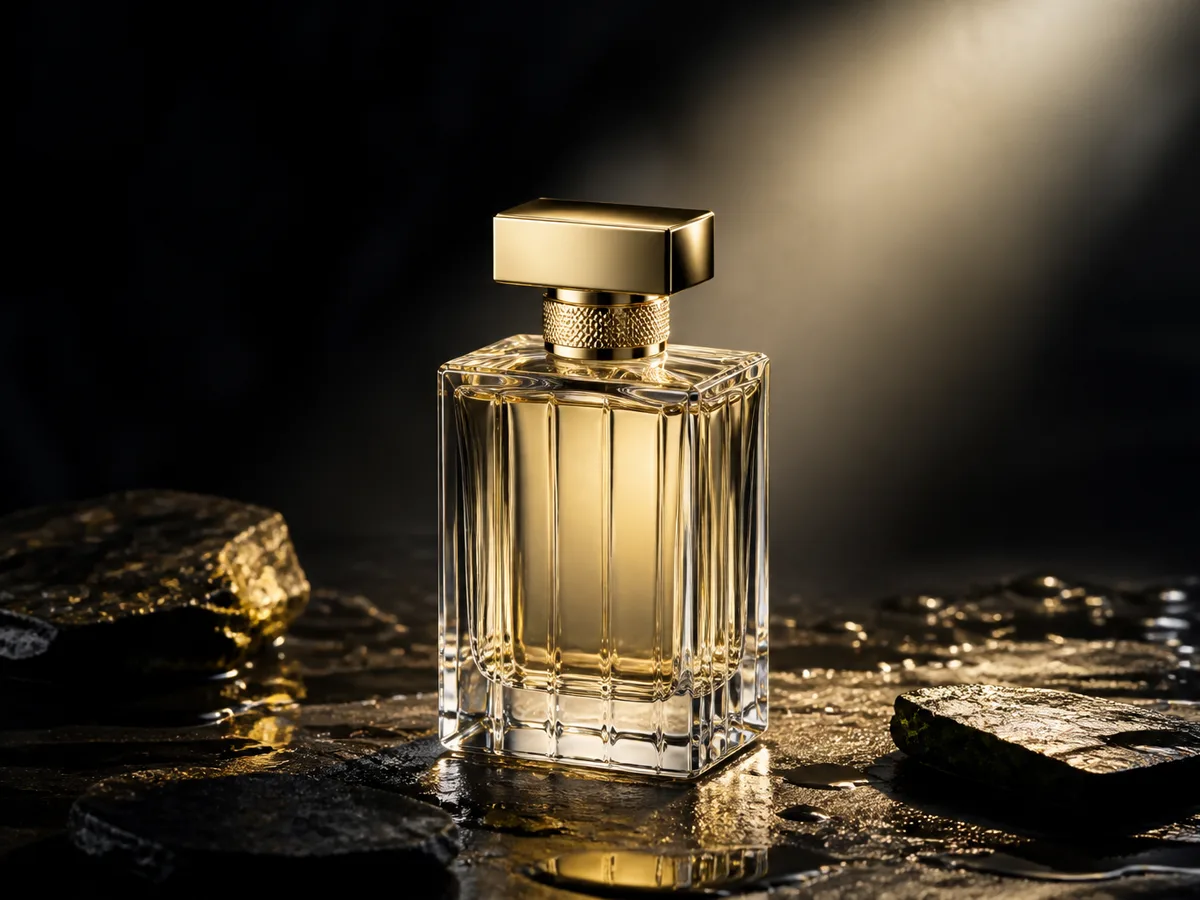
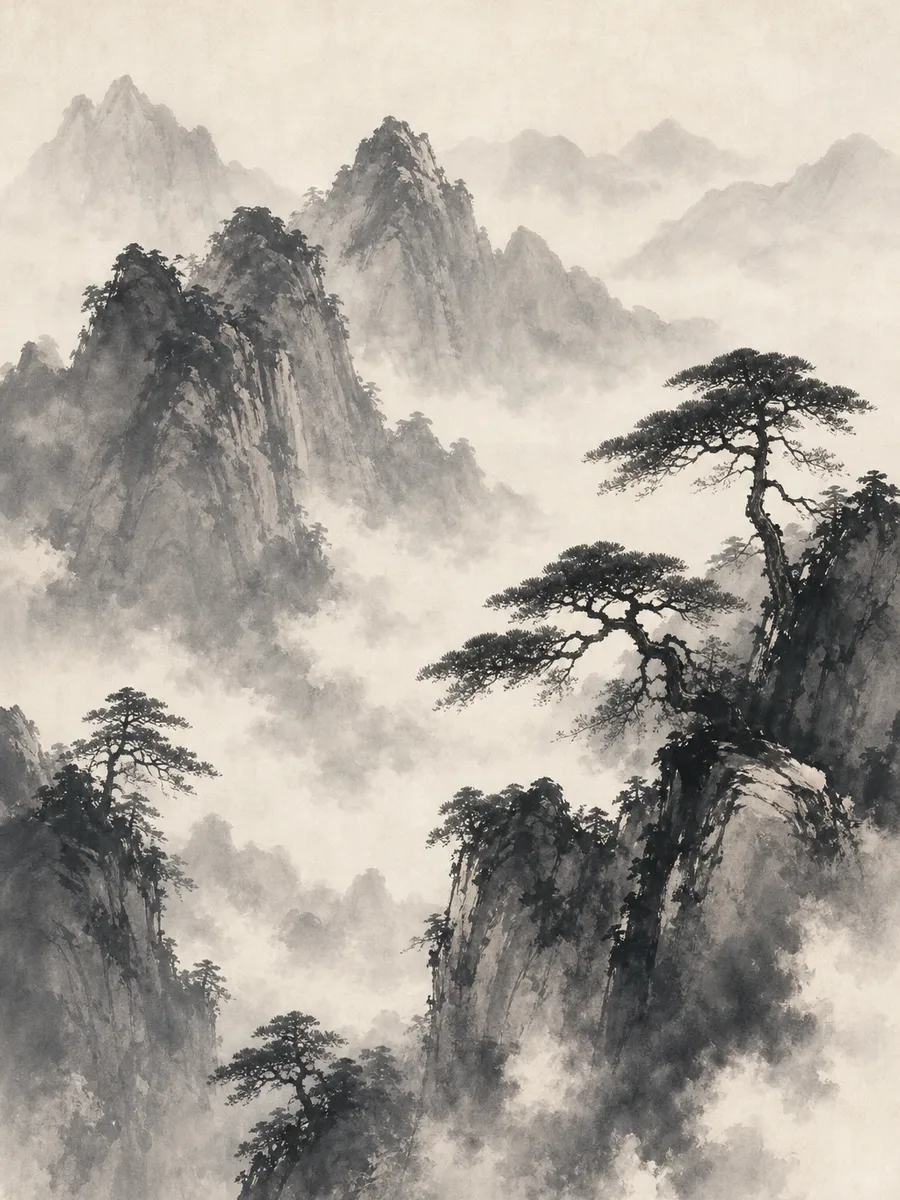
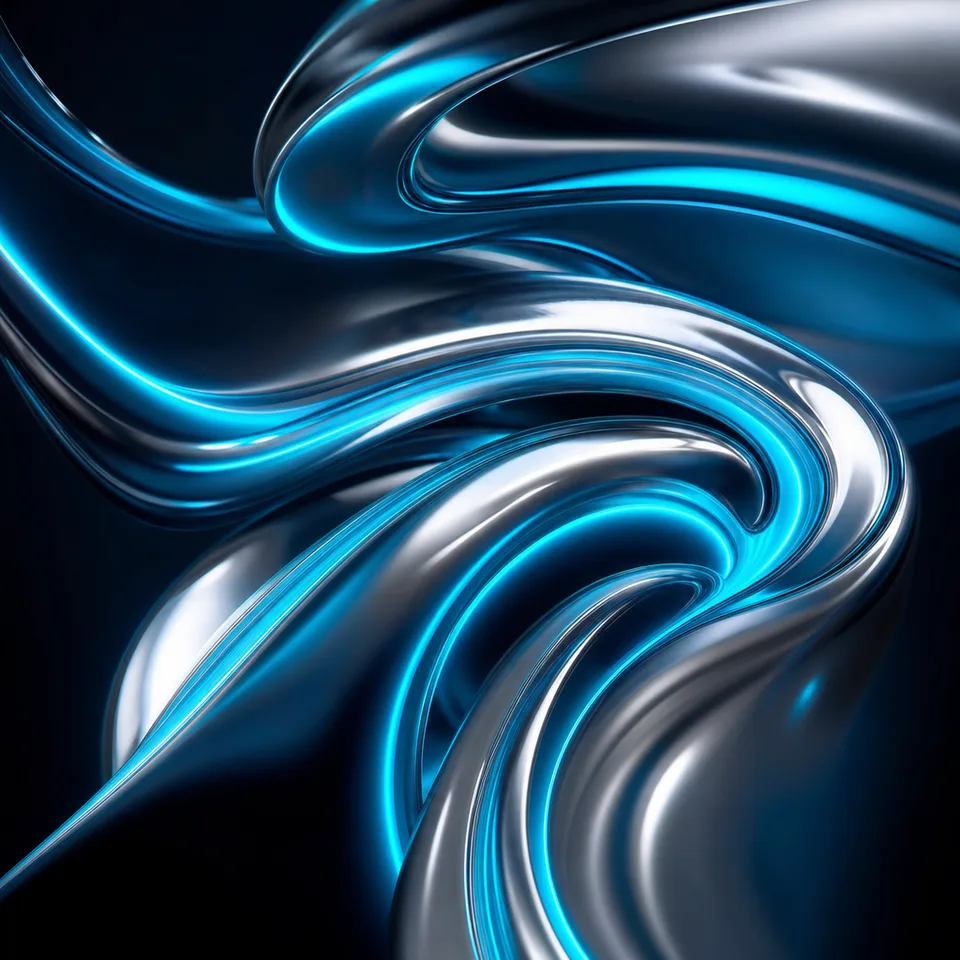
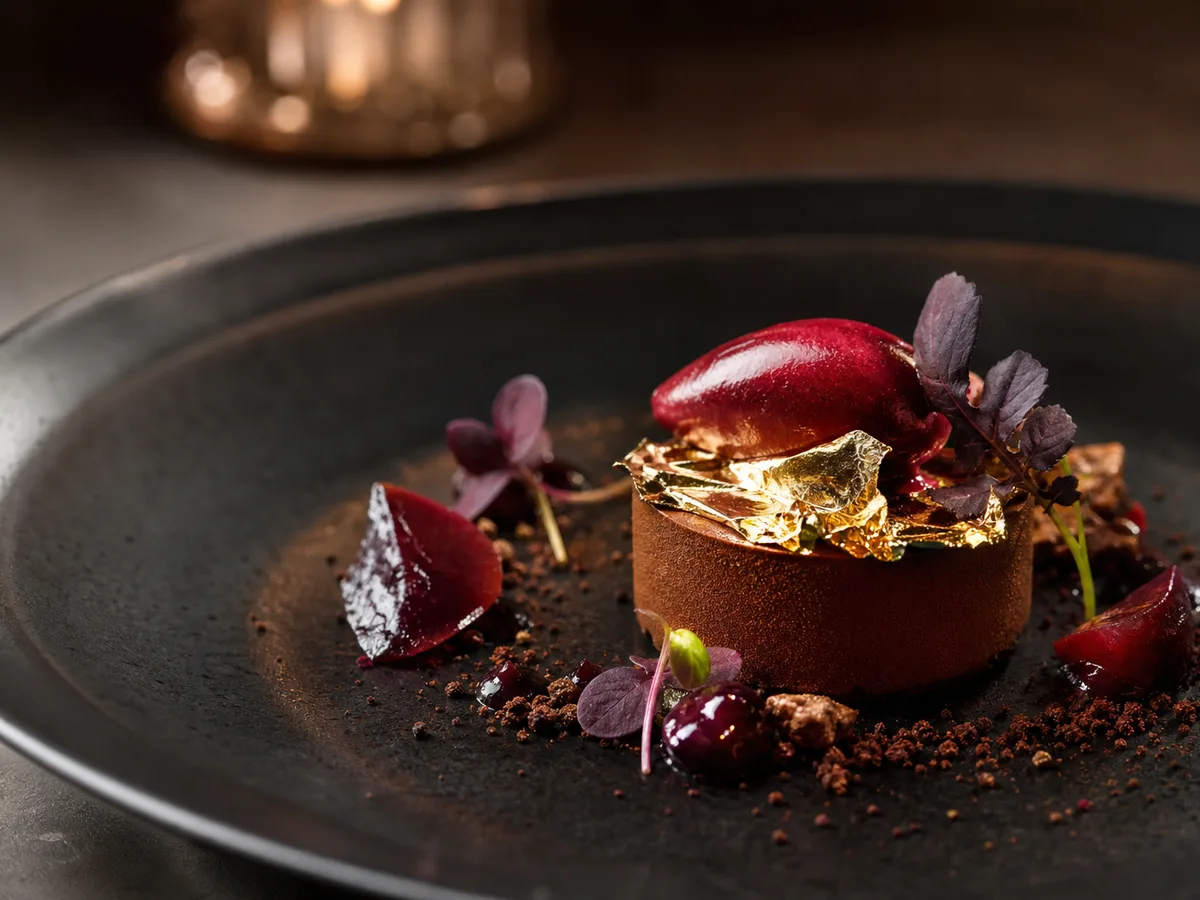
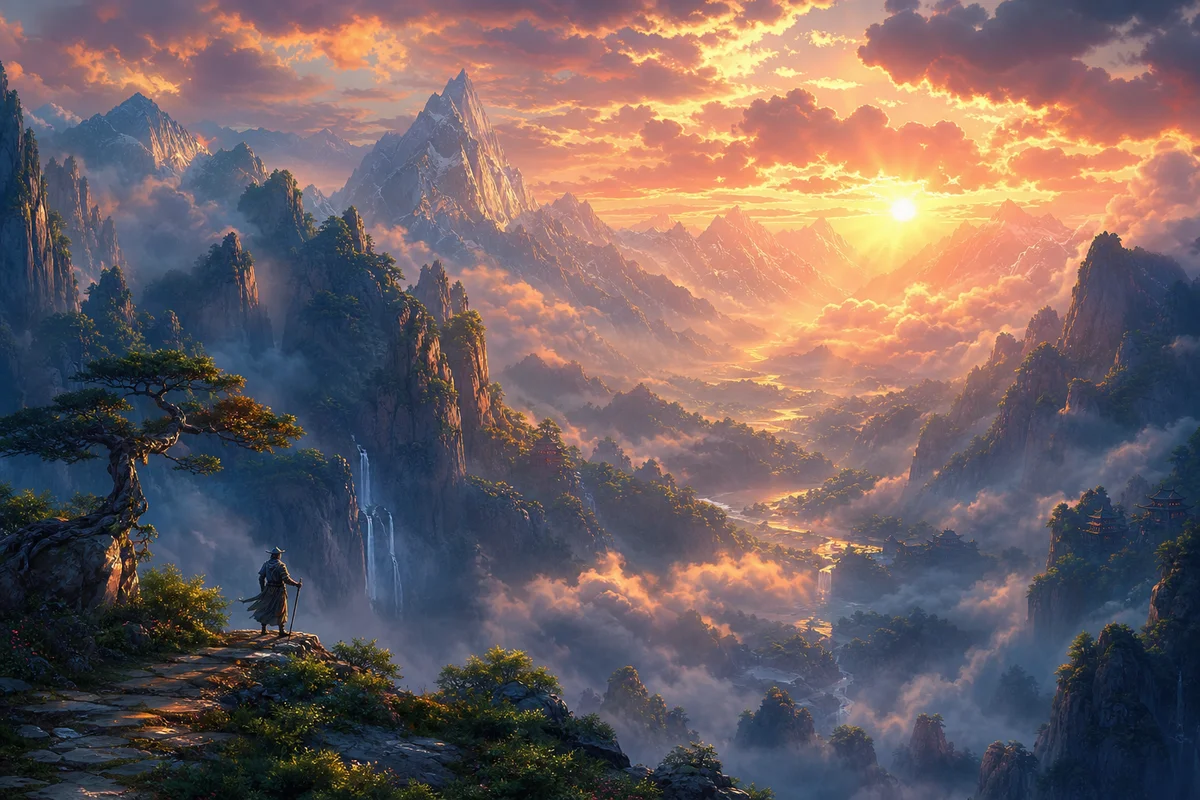
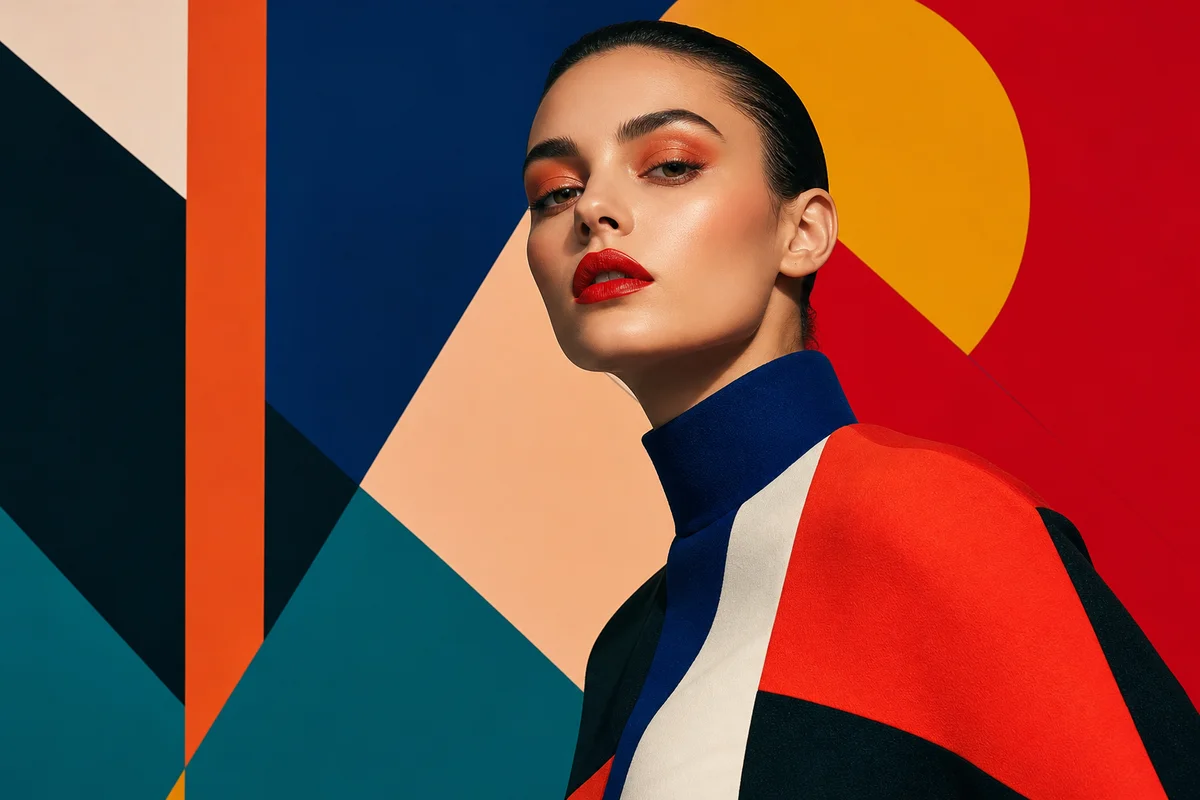
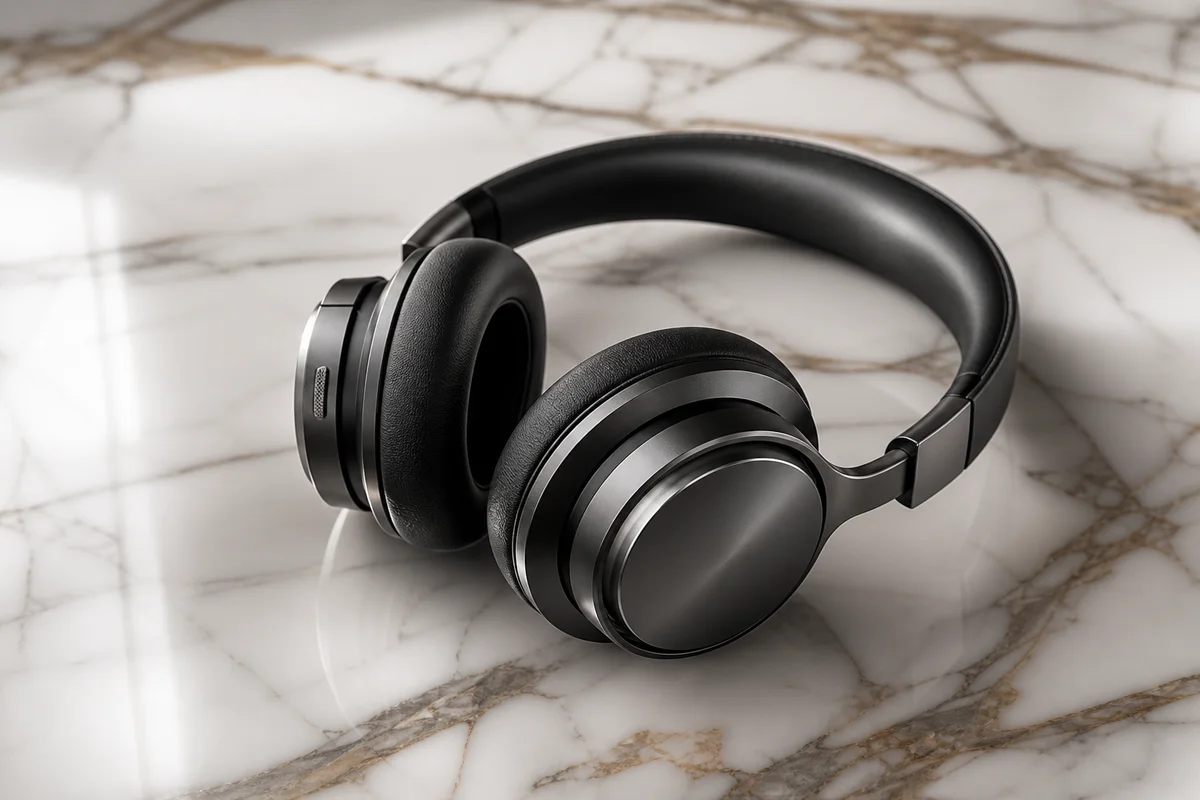
Photoreal, anime, concept art, product, architecture, abstract, and more—browse featured generations and find your visual direction.
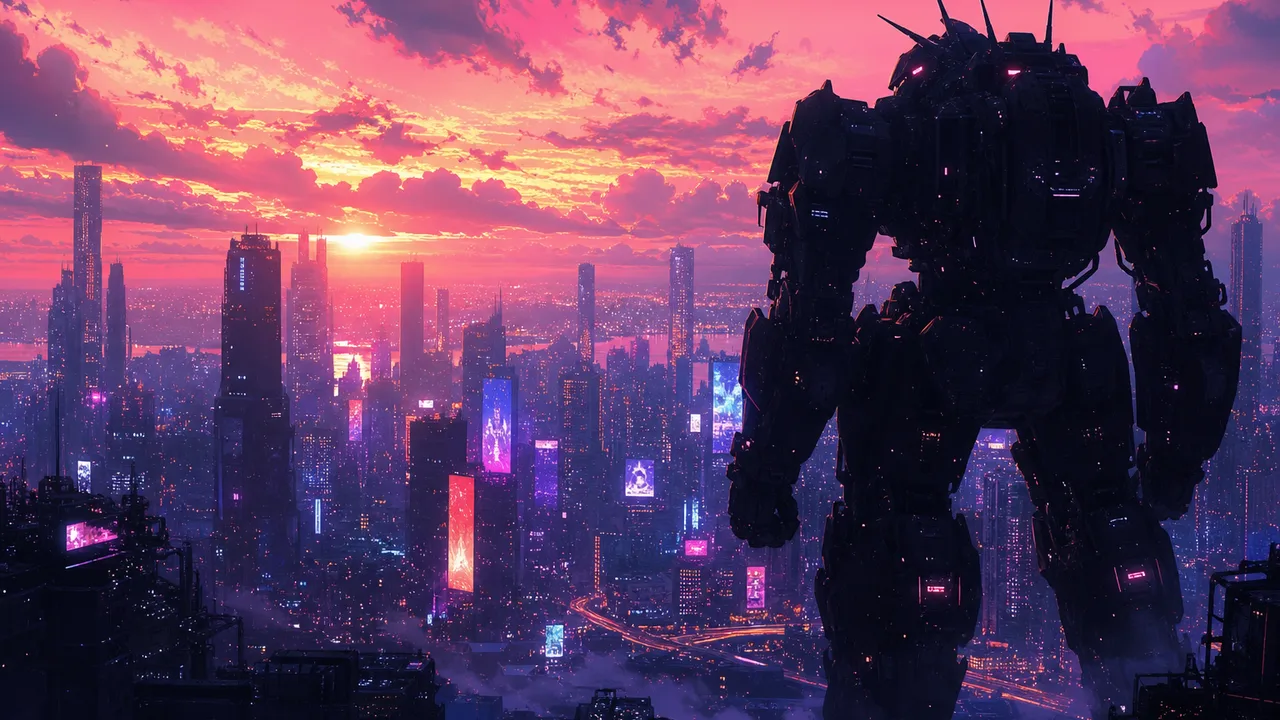
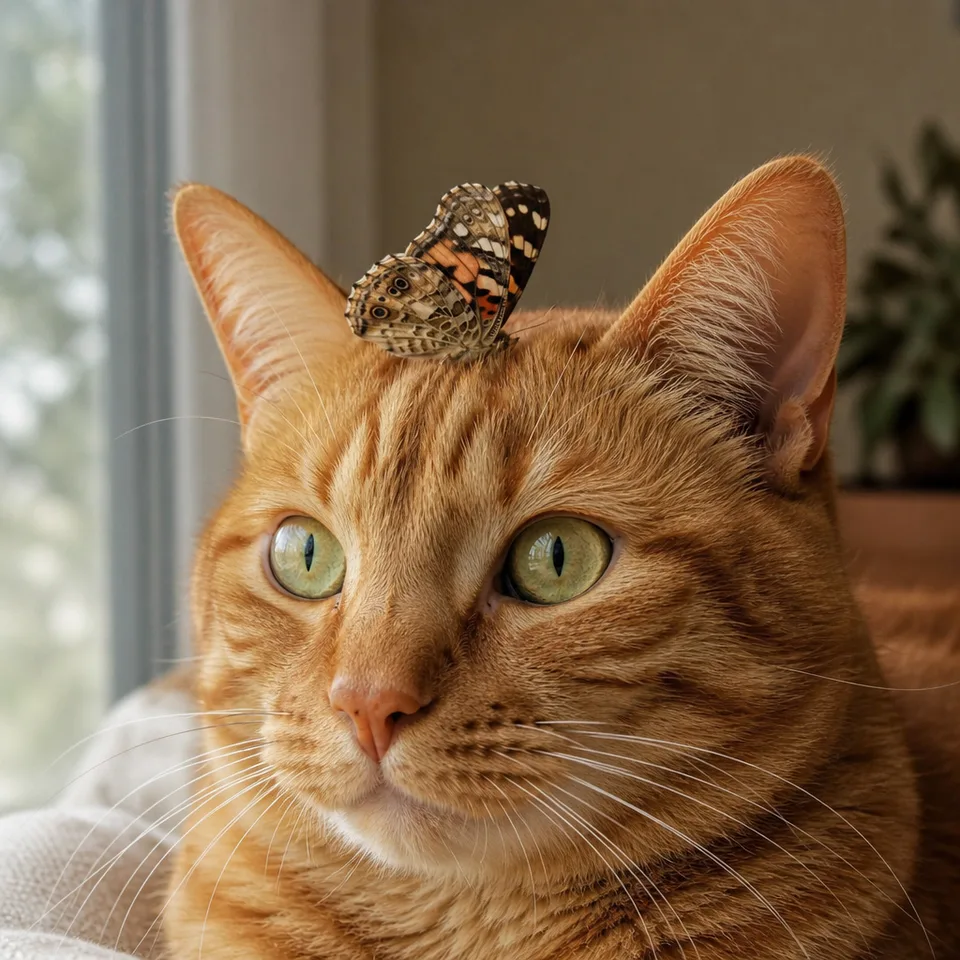
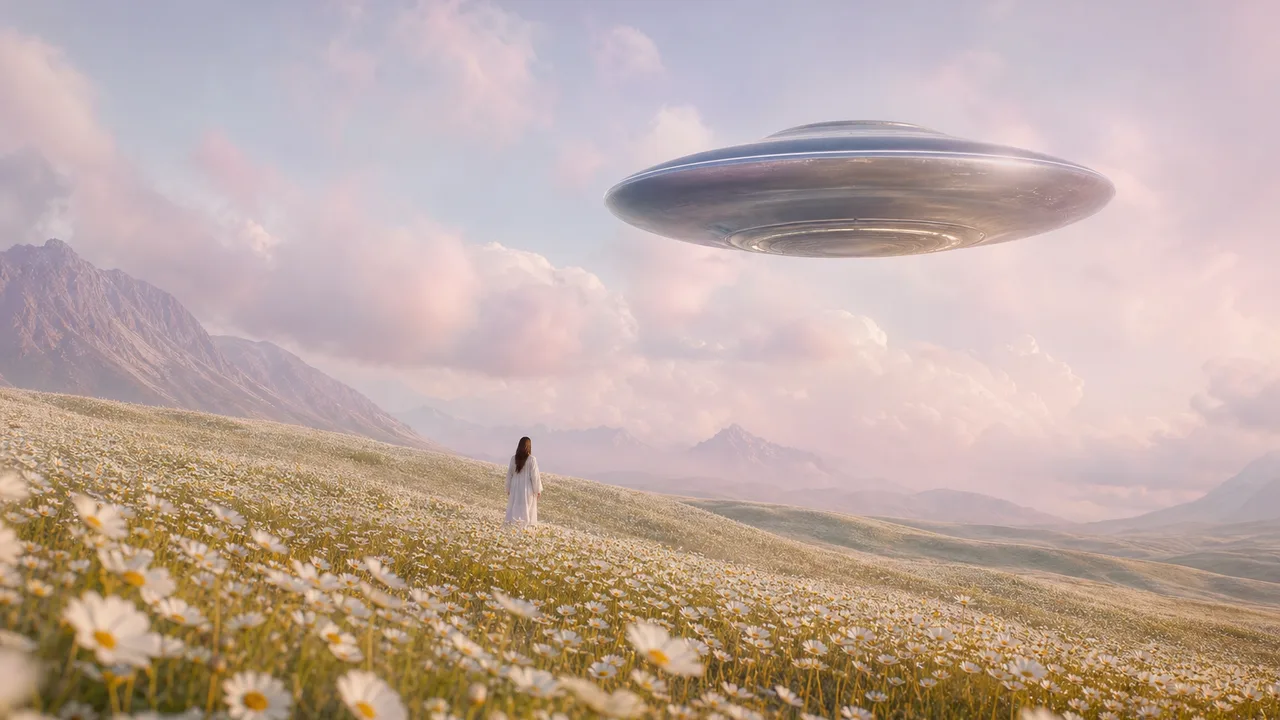
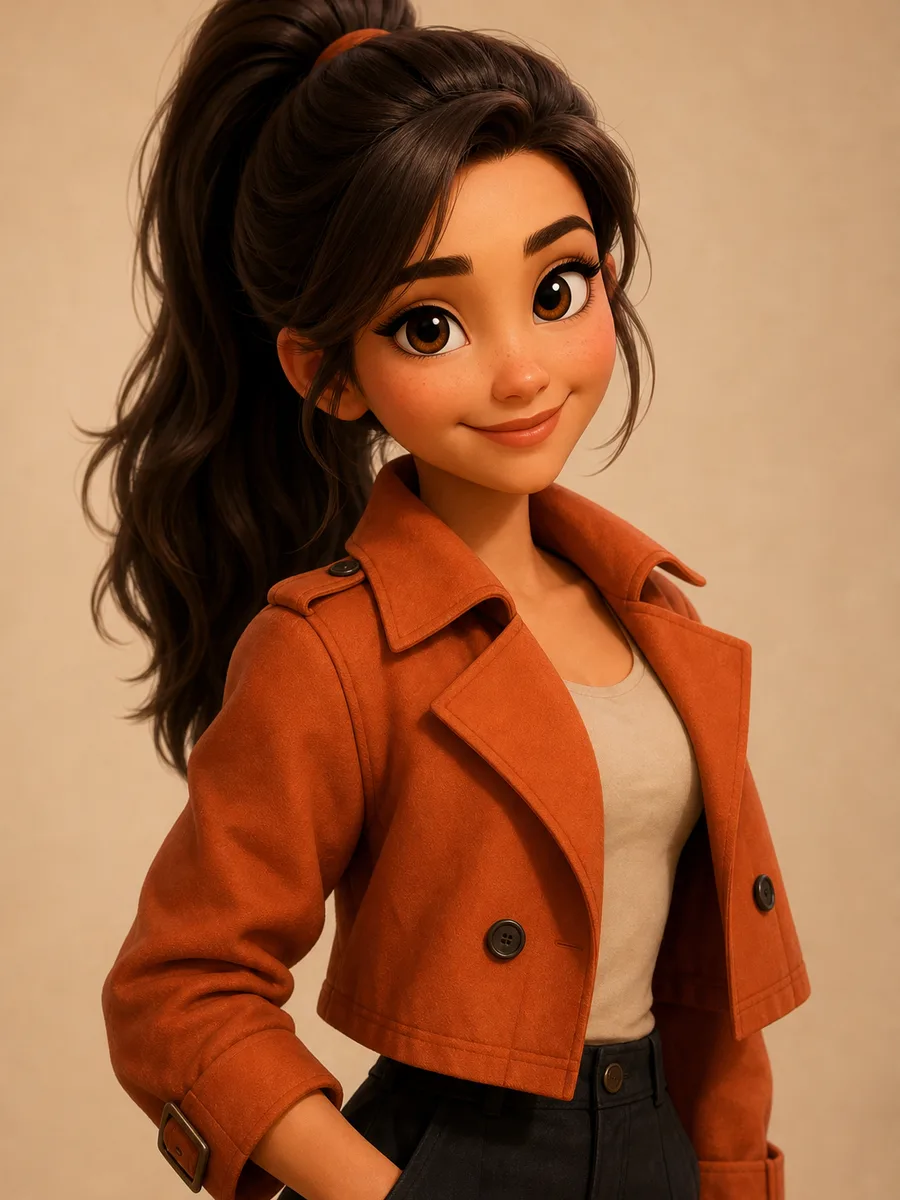
-
Ecommerce product heroes
Draft product atmosphere and hero directions with text to image, then swap backgrounds and refine details to shorten launch visual cycles.
-
Campaign posters & brand KV
Generate multiple poster layouts and palettes for a campaign theme—pre-test creative directions before full design or photography.
-
Concept art & character sheets
Explore scene mood and character looks, then use character consistency to keep identity stable across poses and environments.
👥 Audiences
Who is an AI Image Generator for?
From ecommerce launches and paid campaigns to design pitches and concept art—scenarios folded into role-based workflows so you can find your fit.
Creative Workflow
Designers & illustrators
Embed AI generation in a real creative pipeline—not just “one-shot final art.”
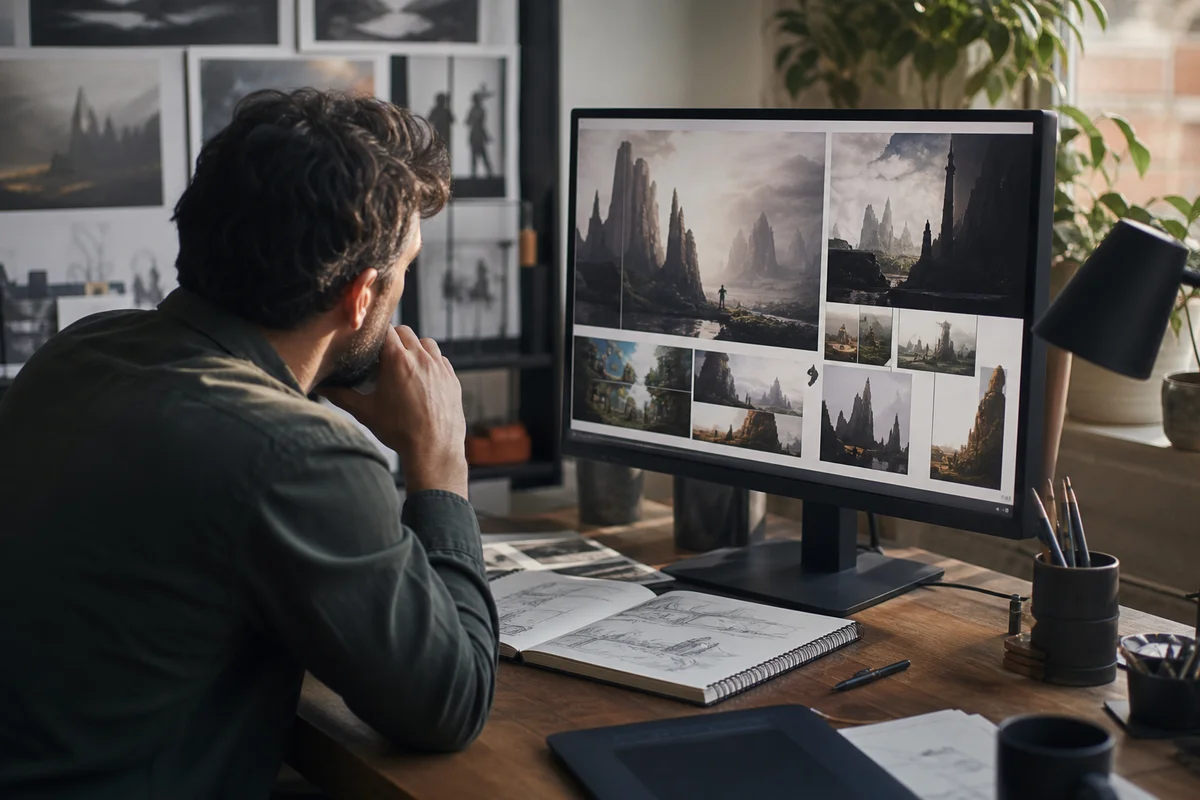
Use Text to Image to explore composition, then Image to Image to push sketches toward render-ready frames. Compare model temperaments on the same brief, pick a direction, then polish in your design stack—also ideal for visual alignment in brand and design proposals.
- Concept exploration & layout trials
- Controlled sketch-to-render extension
- Visual alignment during proposals
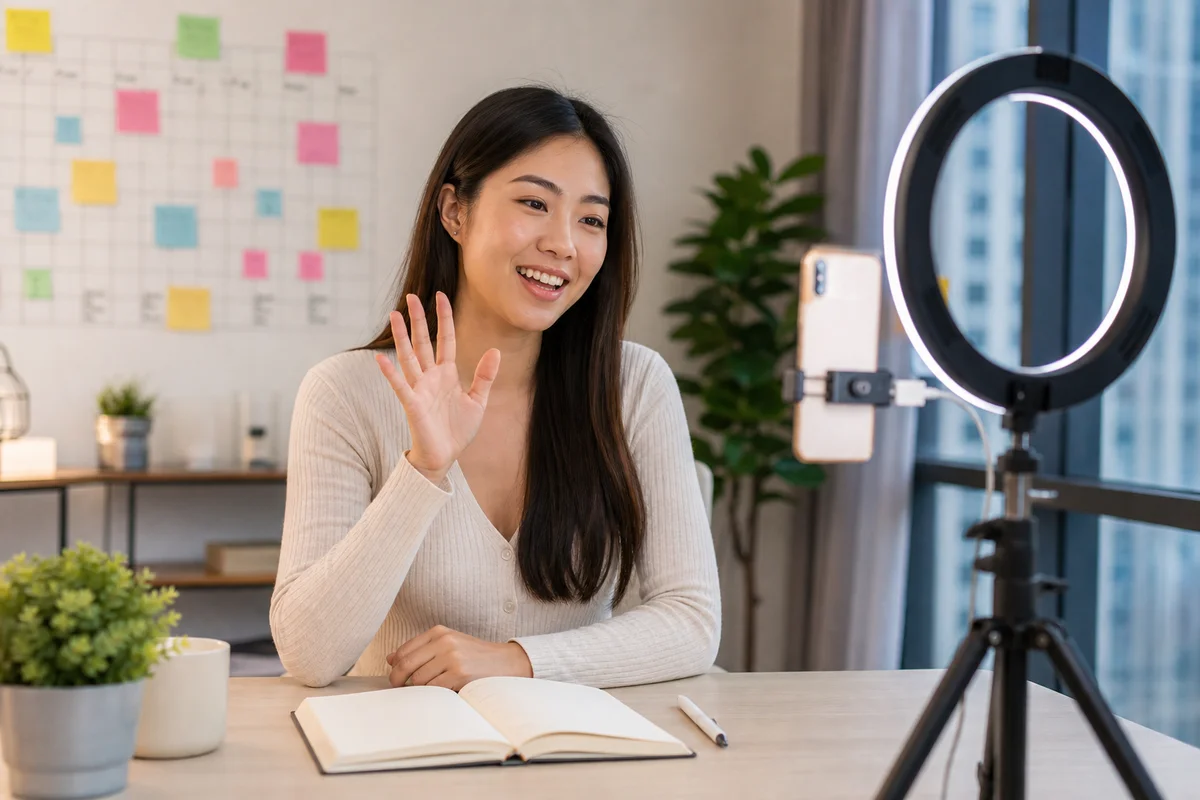
Always-on Content
Creators & social managers
Unique visuals for every post—less reliance on stock libraries and freelancers.
Covers, thumbnails, and campaign art often chase trends. An AI Image Generator turns one sentence into usable art, then you lock palette and style words to build assets that look like your brand—steady supply for posts, short-video covers, and channel identity.
- Short-video covers & post art
- Fast campaign visual refreshes
- Style words that build channel identity
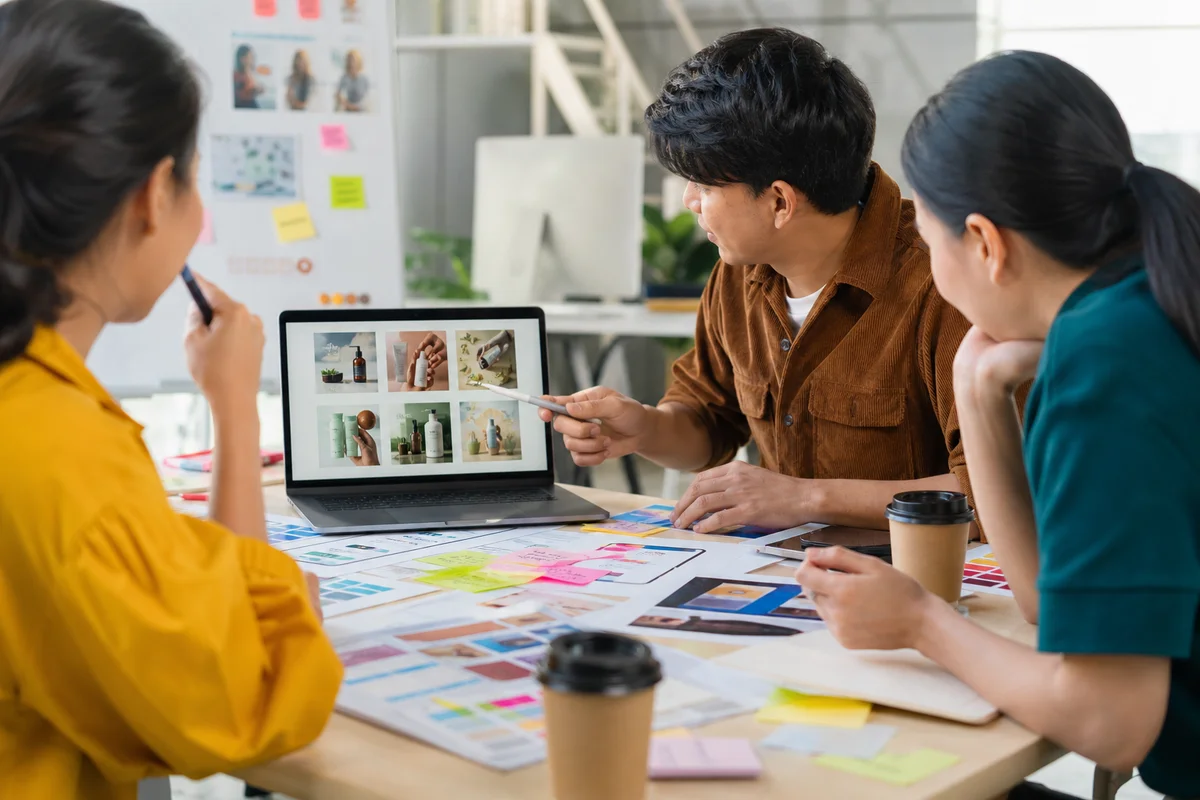
Campaign Ready
Marketing & advertising teams
Align and test with low-cost visuals before full photo shoots or design sprints.
Paid media needs multiple creative directions. Generate campaign key visuals, ad drafts, and multi-size KV first, then invest budget on the winning route—shorter path from pitch to landing-page assets.
- A/B creative pre-visualization
- Campaign KV and poster drafts
- Visual alignment during proposals
Launch Faster
Ecommerce & product visuals
Ship hero and lifestyle shots in parallel—shorten visual delivery cycles.
Product launches often need heroes, lifestyle scenes, and promo assets at once. Generate product atmosphere from text or references, then swap backgrounds and refine details so photography and retouching pressure moves later.
- Parallel hero and scene production
- Shorter launch visual cycles
- Background swaps and detail polish
Concept First
Games & film concept artists
Align art direction with visual drafts—not just written worldbuilding docs.
Scene, character, and prop concept boards speed up greenlight conversations. Pull multiple mood and design variants with AI first, then decide what enters fine illustration or 3D production.
- Scene and character concept exploration
- Prop and mood variant testing
- Faster art-direction alignment
Start Simple
Beginners & hobby creators
No drawing skills or complex settings—start with one sentence and learn prompts by doing.
If you can describe what you want to see—subject, mood, rough style—you can start. Write a short prompt for a first image, then add lighting, camera, and material details. Common model entry points stay together so practicing prompts feels rewarding from day one.
- Natural language is enough
- Short prompt first, refine later
- Learn prompt craft by doing
💡 Tips
Prompt writing tips
- Lead with the subject: start with “a perfume bottle / city nightscape”, then add details.
- Be specific with style words: product photography, cinematic lighting, editorial poster.
- Add camera and light: close-up, wide shot, softbox, golden hour can change the result a lot.
- Avoid stacking conflicting styles that make materials and perspective unstable.
- For brand consistency, repeat key colors, materials, and composition constraints.
🎨 Models
Recommended AI image models
Different models shine in different directions—pick by your creative goal.
Midjourney V8.1
Strong artistic expression for mood posters, concept art, and stylized illustration.
View details →
GPT Image 2
Built-in reasoning and planning with steadier instruction following for complex setups and text posters.
View details →
Nano Banana
Cost-efficient near-real-time generation for bulk prompt testing and quick drafts.
View details →
❓ FAQ
FAQ
Common questions about using an AI Image Generator—rights, quality, online workflow, and model choice.
What is an AI Image Generator?
An AI Image Generator creates images from text prompts: describe subject, style, and scene to get product shots, posters, or illustrations. bikabika AI gathers mainstream models and entry points so you can start generating online faster.
What is the difference between Text to Image and Image to Image?
Text to Image builds a scene from a prompt alone. Image to Image uses your uploaded sketch, photo, or storyboard as structure, then changes style or content while keeping composition. Start from an idea with Text to Image; extend an existing layout with Image to Image.
Midjourney vs GPT Image 2 vs Nano Banana—which should I pick?
Pick by job, not brand loyalty. Midjourney is often strongest for artistic atmosphere and stylized posters; GPT Image 2 for hard constraints, in-image text, and commercial briefs; Nano Banana for fast, affordable draft loops. On bikabika AI you can compare the same prompt across models, then keep the reusable skeleton that wins.
Can I use this AI Image Generator online without jumping between Discord and official sites?
Yes. This page is an online text-to-image hub: open the workspace, choose Midjourney, GPT Image 2, Nano Banana, or related models, and generate from one place—useful when you want multi-model comparison without re-logging everywhere.
Where can I learn better AI image prompts?
Start with subject, light, camera, and one non-negotiable constraint—then change only one layer per retry. For model-specific craft, see our English guides: GPT Image 2 prompt guide, Midjourney V8.2 prompt guide, Nano Banana 2 Lite prompt guide, and the 10 / 50 best prompts lists on the blog.
Can I use generated images commercially?
Commercial rights depend on each provider’s license and your plan tier. Read official terms from Midjourney, OpenAI, and others before commercial use, and avoid infringing third-party copyrights and trademarks.
How do I get results closer to what I want?
Spell out subject, materials, lighting, camera, and quality—and reduce conflicting style words. Generating several candidates and shortlisting is usually more efficient than one overstuffed prompt.
How is this different from traditional retouching software?
AI image generation excels at creating scenes from scratch; traditional retouching excels at polishing existing assets. Most teams combine both: draft with AI, then refine in Photoshop or design tools.
Should prompts be in English or another language?
Either works. Many models respond strongly to English photography and design terms; other languages can help with business context and emotion. Mix languages in practice, then adjust based on results.
Do I need to know how to draw?
No. You only need to describe the target scene in words. Taste and prompt skill improve with practice, but the entry barrier is low.
AI IMAGE
Ready to create your first AI image?
Pick a model, describe your scene, and start text-to-image generation.