
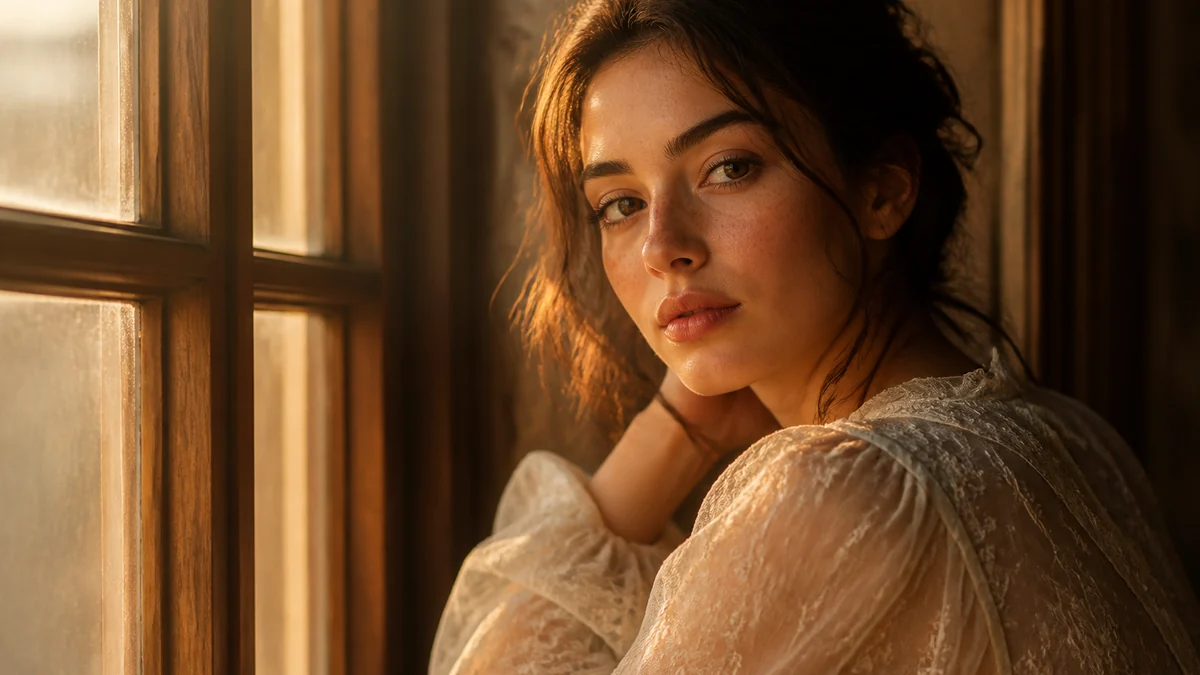
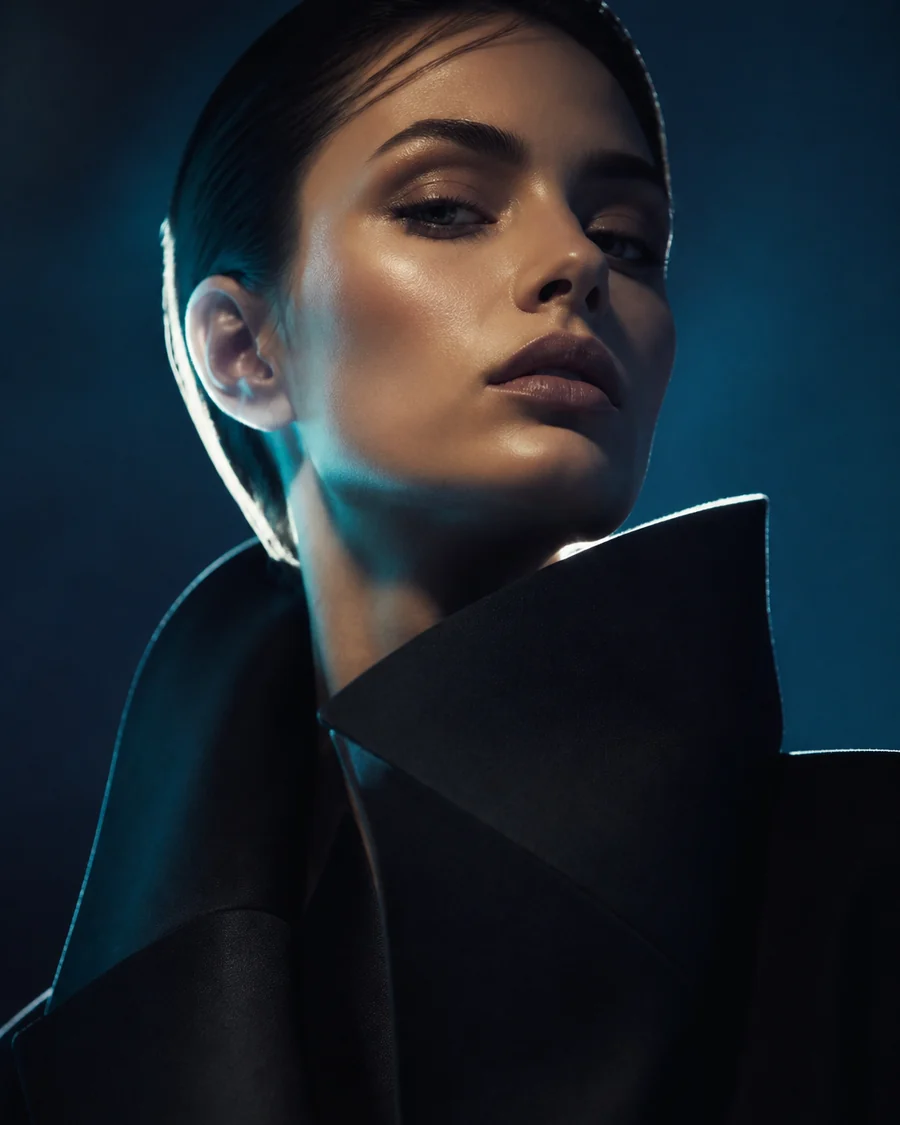
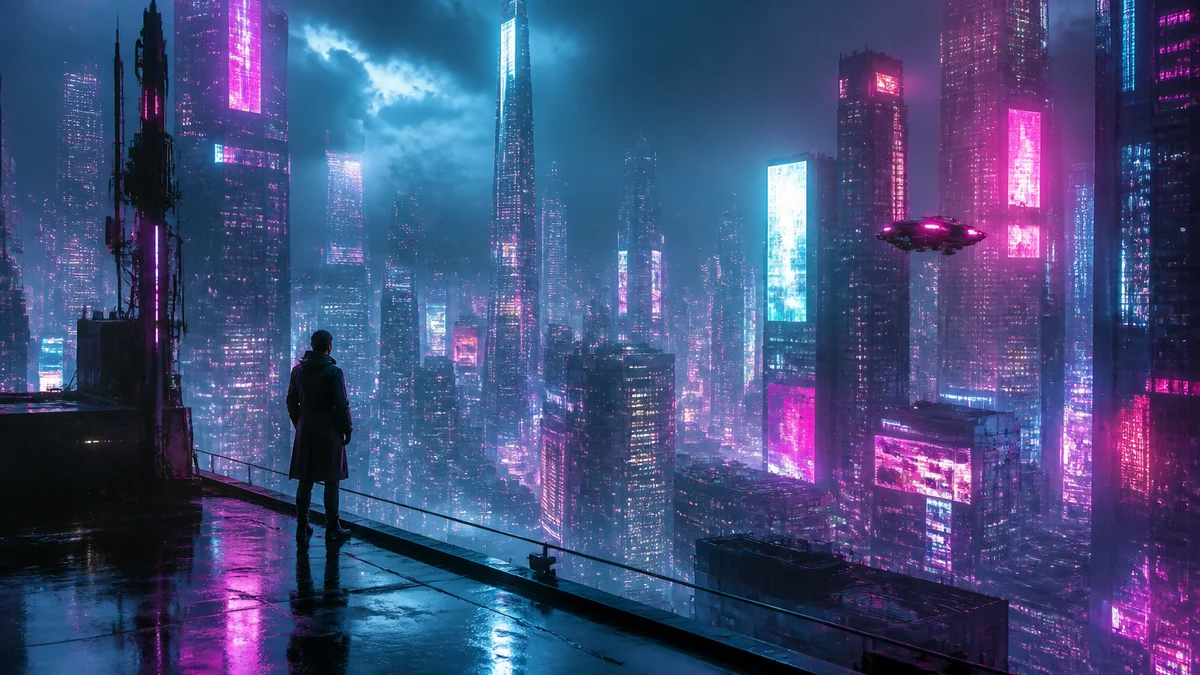
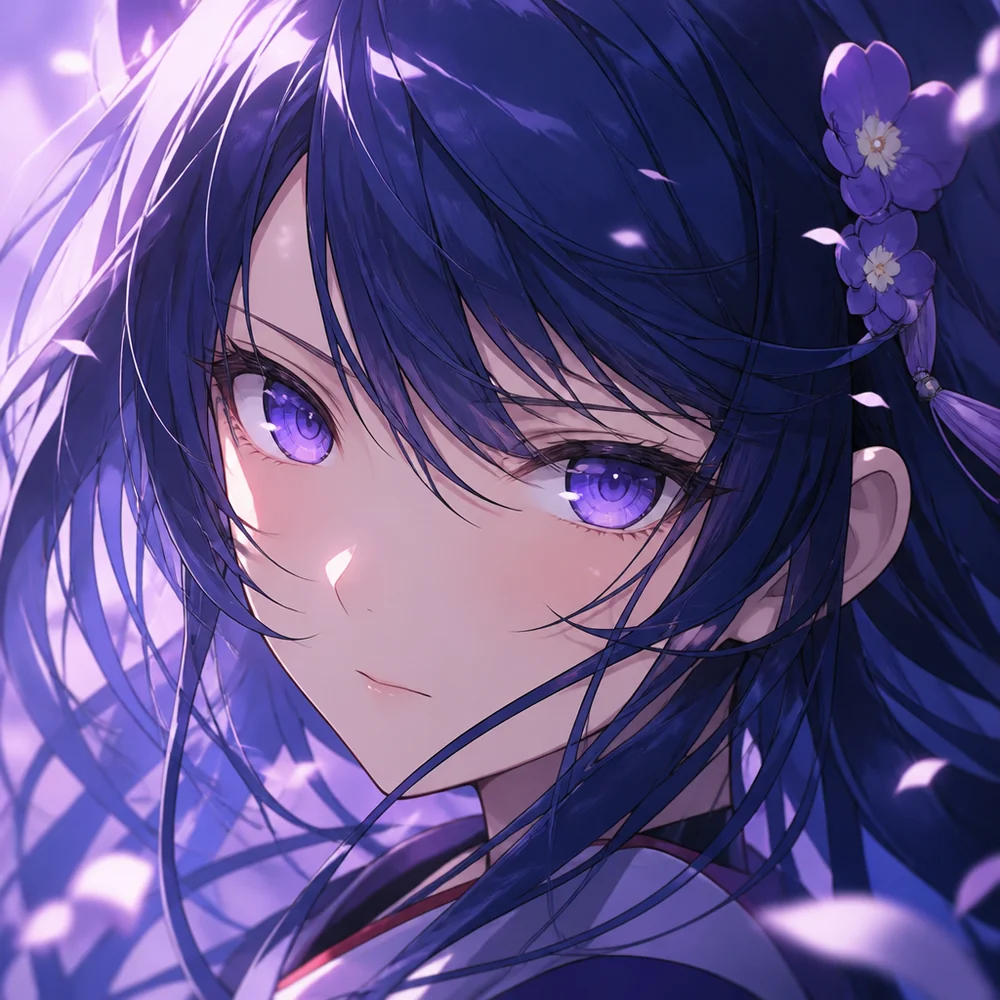
Midjourney V8.1 AI Image Generator Lightning-fast drafts, native 2K—turn ideas into delivery-ready frames
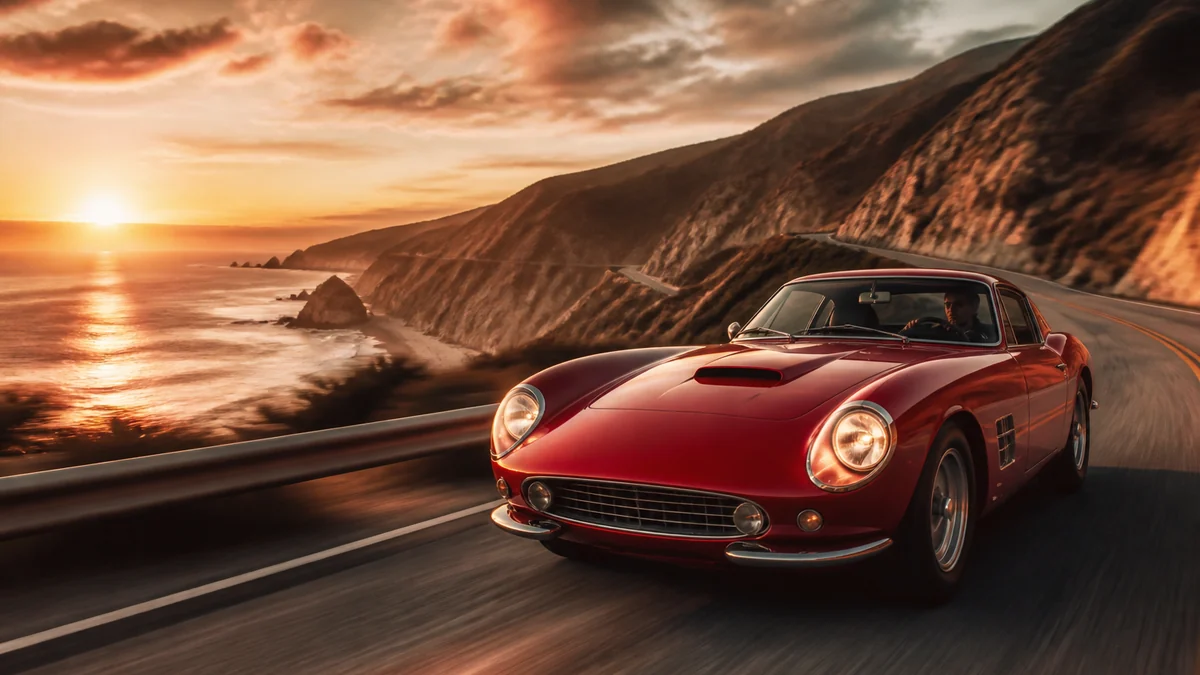
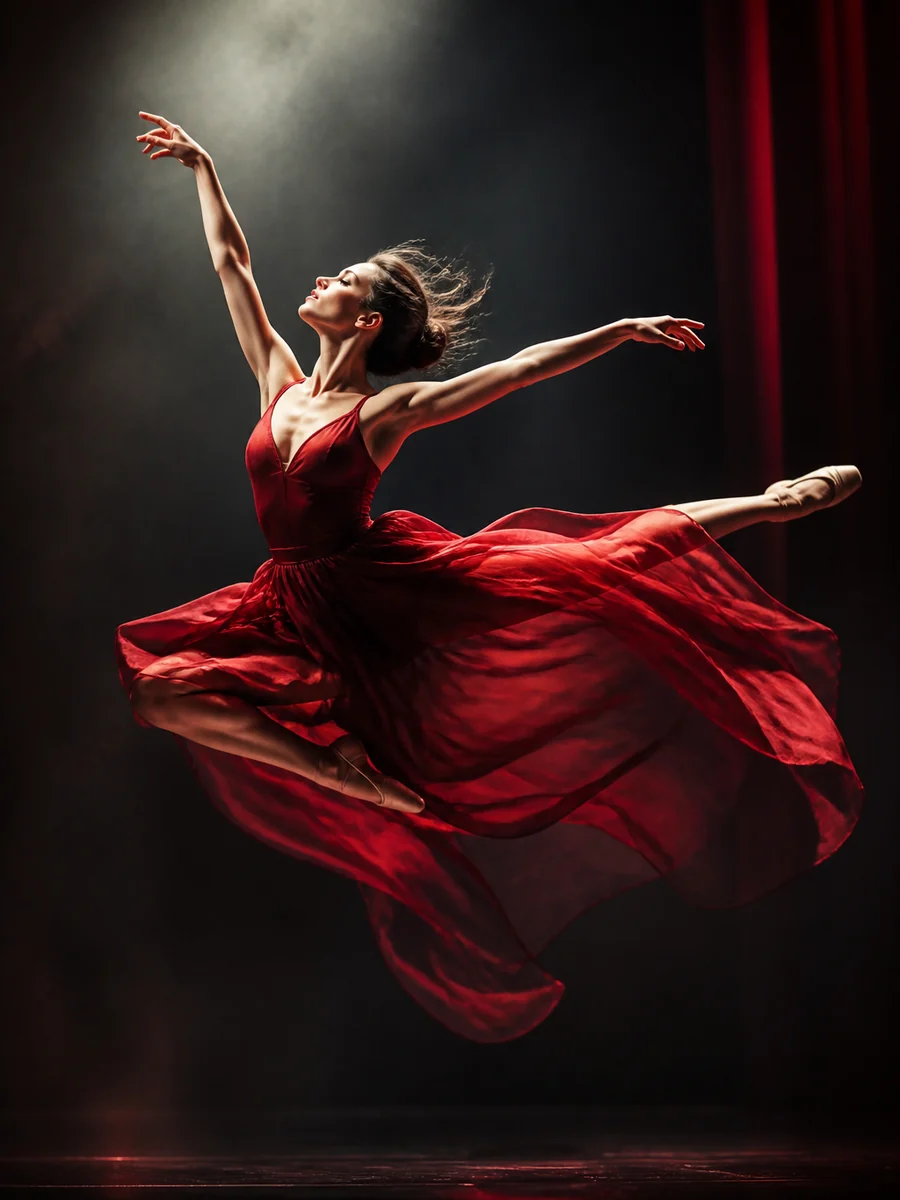
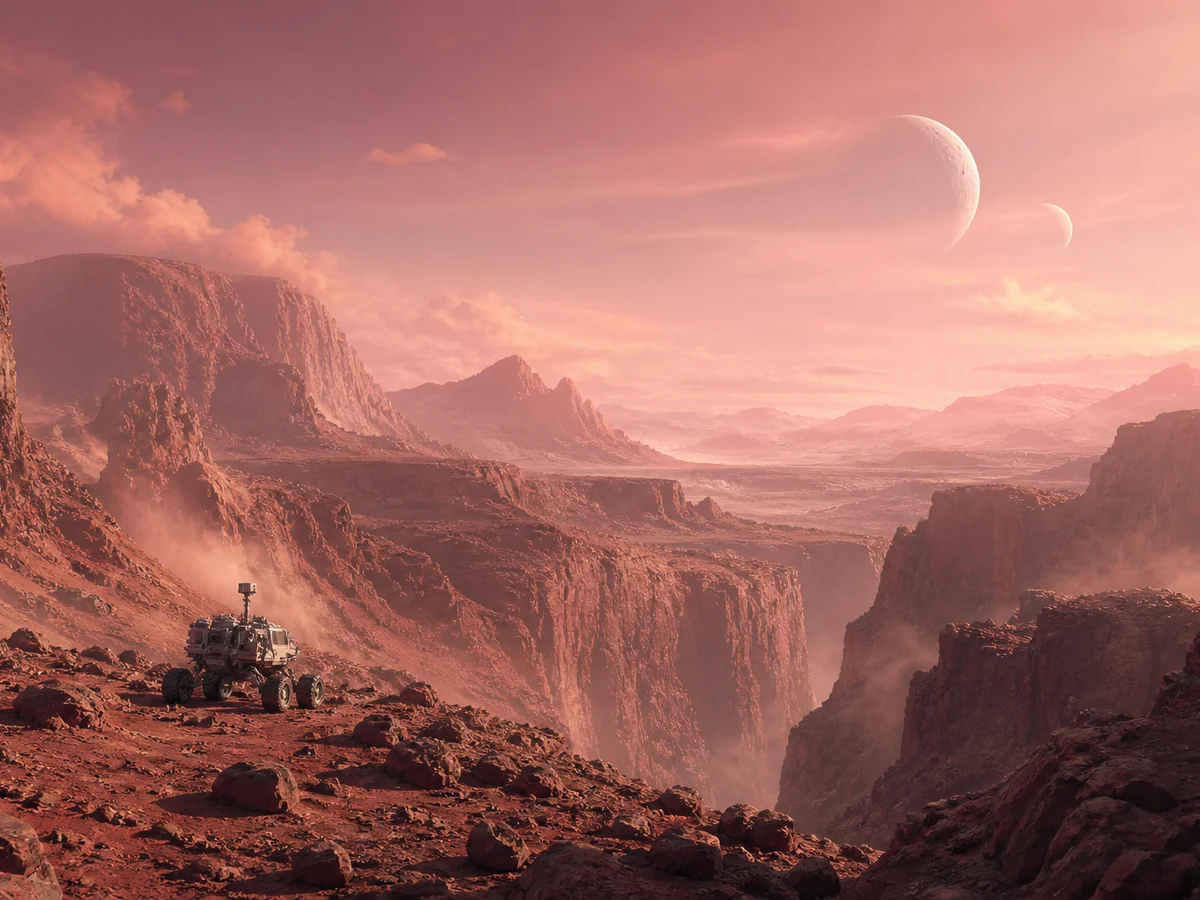
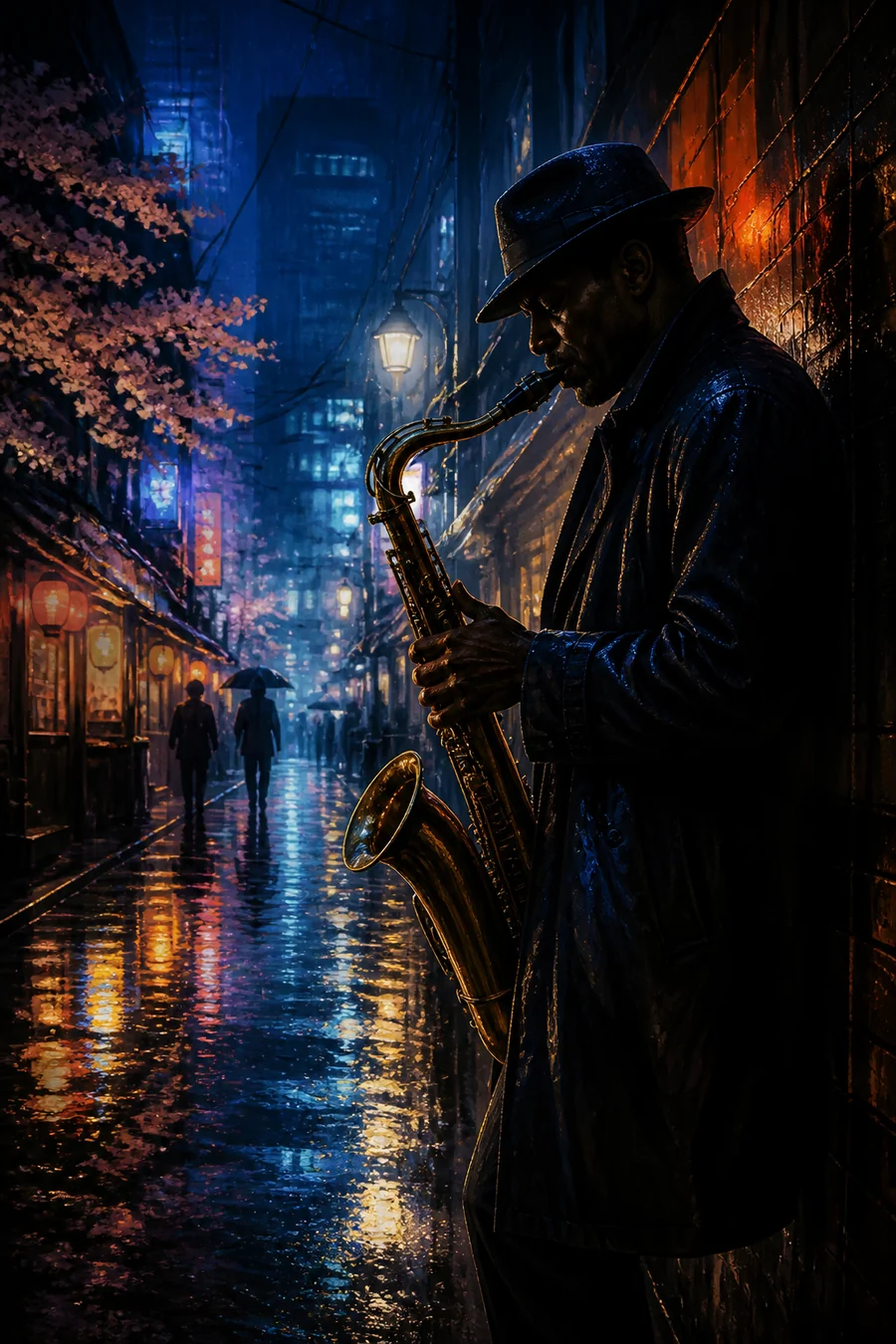
Built on Midjourney V8.1: standard jobs render about 4–5× faster, SD previews in ~4 seconds, and HD outputs native 2K (2048px) without a separate upscale. Prompts stick closer, details hold steadier, and Style Reference plus personalization carry over. Try it online on bikabika AI.
Generate AI Images Online with Midjourney
Configure and generate here · Midjourney
After you set the model, prompt, and options, we open the workspace to run the job.
Estimated cost—pts
Core capabilities
Six Midjourney V8.1 strengths that land art direction faster
From rapid SD previews to native 2K HD finals—lock mood, style, and detail in one pass.
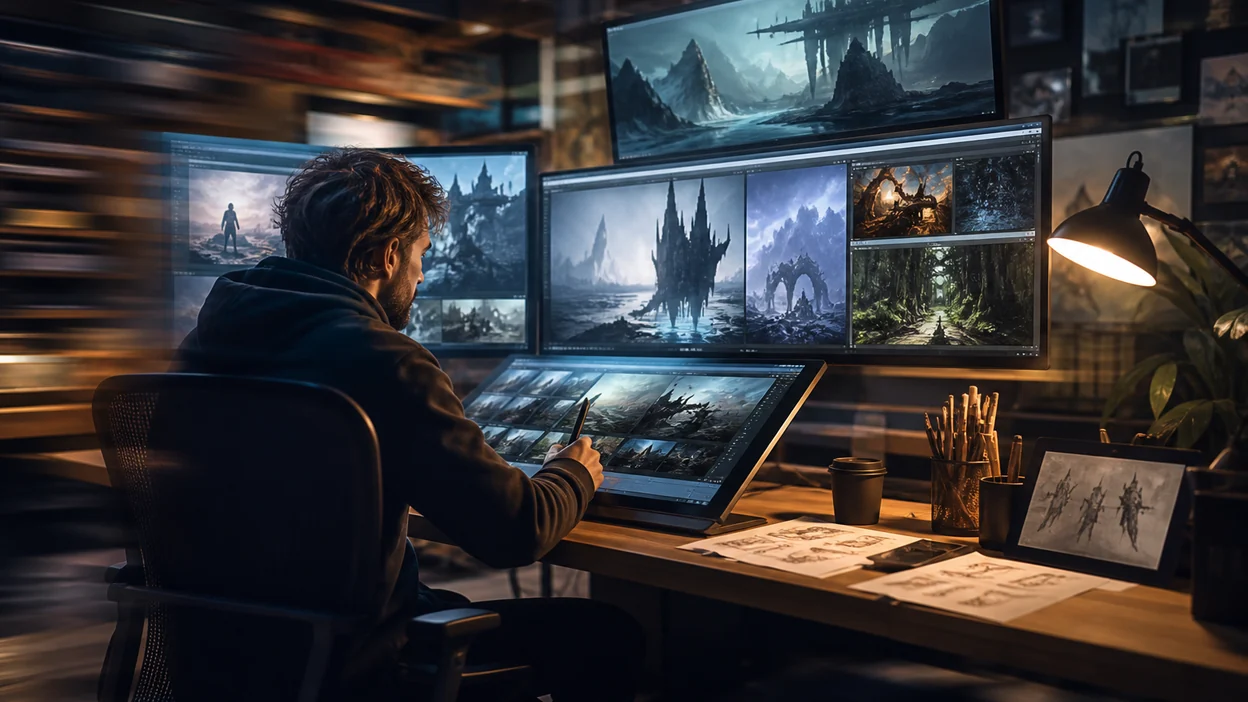
Lightning-fast SD rendering
Midjourney V8.1 is among the fastest models in the lineup: standard jobs render about 4–5× faster than earlier versions, with SD frames in roughly 4 seconds—ideal for dense brainstorming, direction filters, and batch drafts.
- ~4s SD previews
- ~4–5× faster standard jobs
- Less waiting interrupting your flow
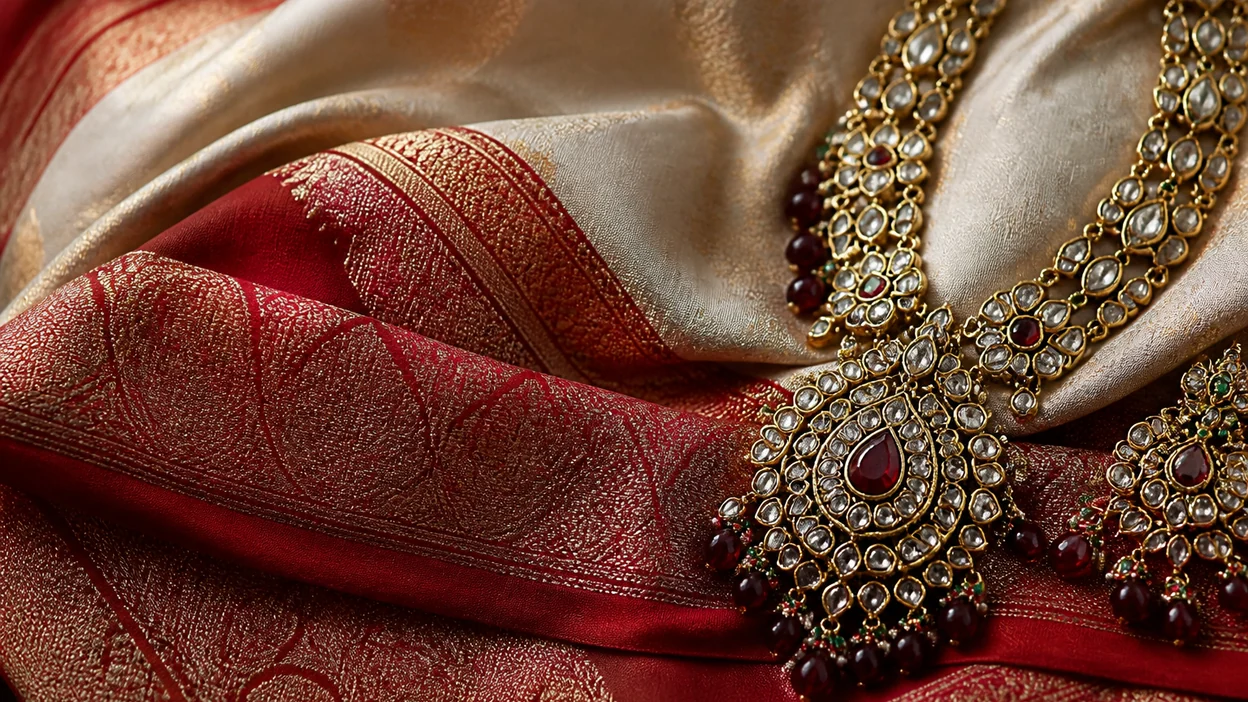
Native HD 2K output
Enable HD via settings or `--hd` to generate at about 2048px 2K directly—no low-res pass then separate Upscale. Official guidance cites ~1.3 min GPU for HD vs ~0.8 min for SD; release notes also mention ~12s perceived HD speed.
- Native 2K, fewer upscale artifacts
- Cleaner detail density and edges
- Ready for posters, covers, and commercial delivery
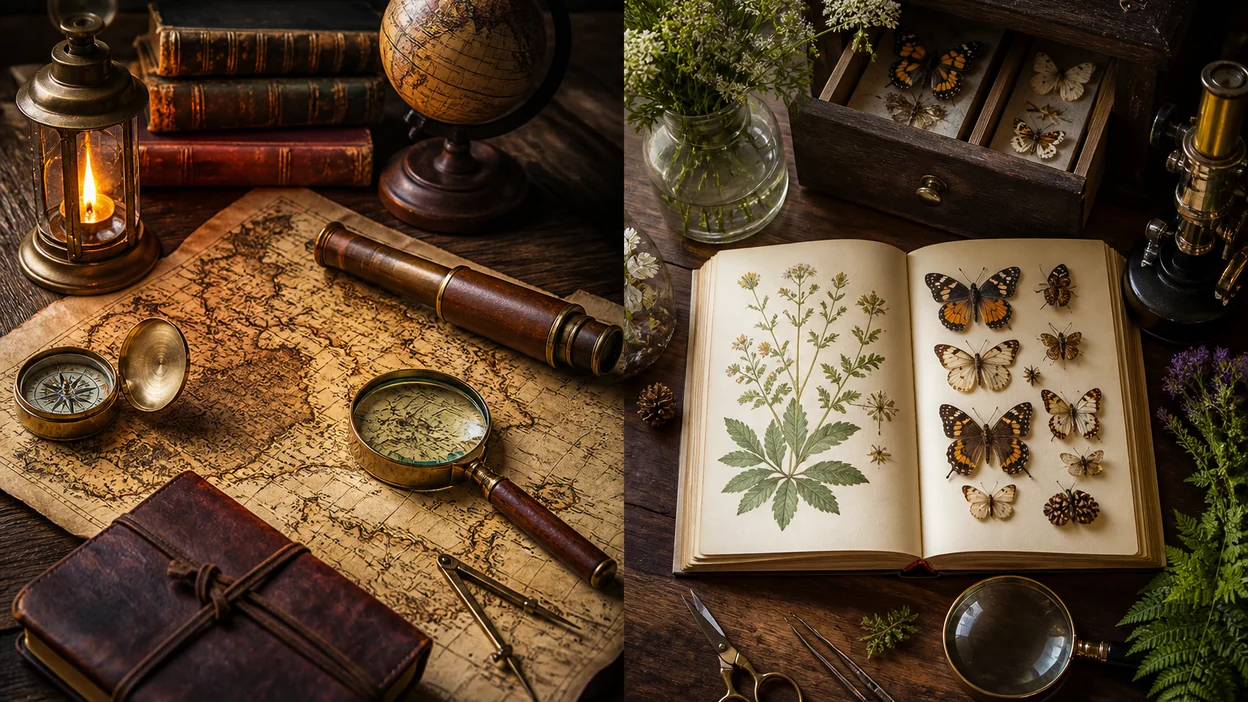
Stronger prompt adherence & detail hold
V8.1 reads complex prompts more reliably and keeps small objects, materials, and composition constraints. For stricter literal following with less default beautification, turn on Raw.
- Complex instructions drift less
- Small details stay steadier
- Raw mode boosts literal adherence
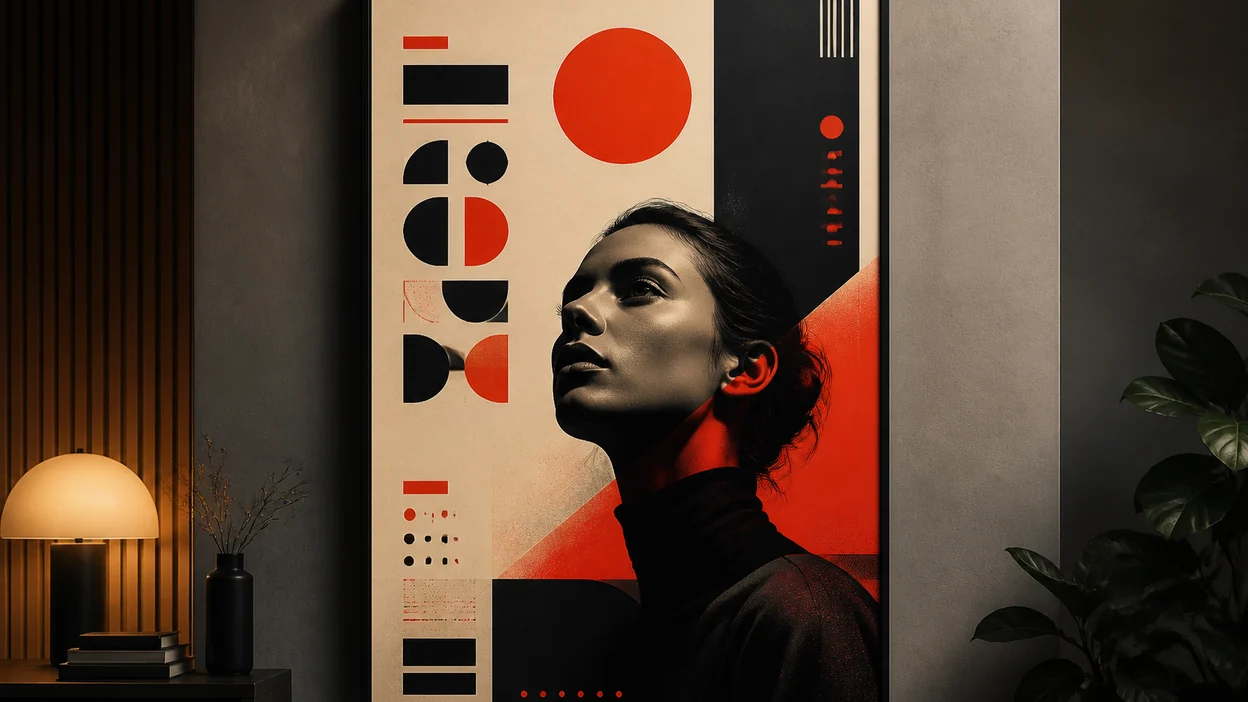
Better in-image text
Versus V7, V8.1 is clearly stronger on short titles, brand words, and poster type. Still spell out the exact copy and rough placement in the prompt—short lines beat long paragraphs.
- Clearer short headlines
- More usable covers and key visuals
- Exact copy beats stacked adjectives
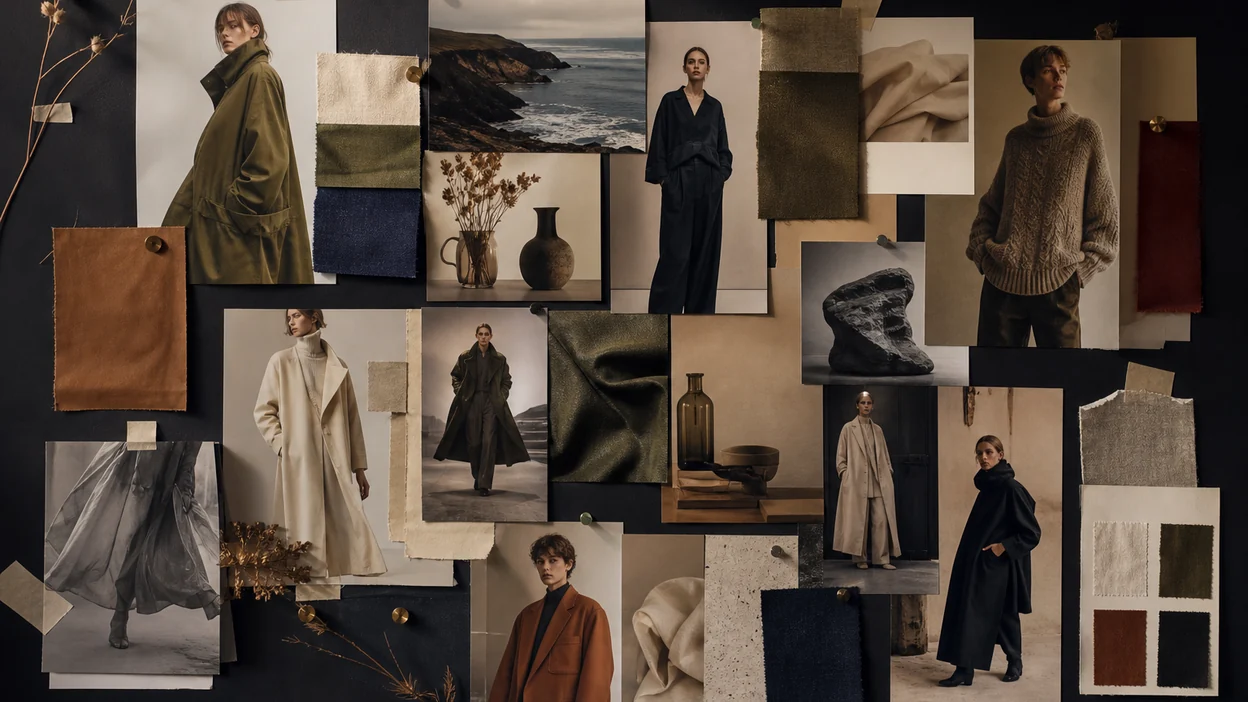
Style Reference & personalization continuity
V8.1 carries Style Reference, Moodboards, and Personalization so project aesthetics stay coherent across versions—great for brand systems, series illustration, and team mood-board workflows.
- Reusable style codes and refs
- More unified series frames
- Personalization preferences carry over
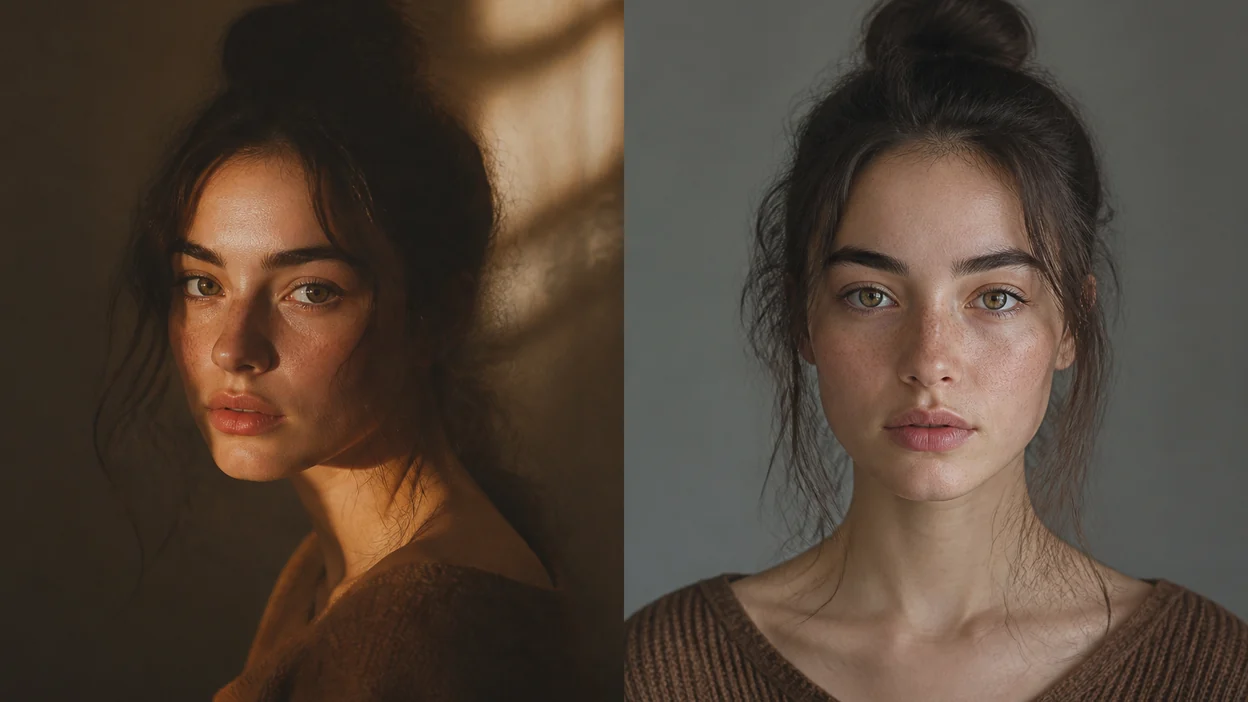
Raw, Draft & parameter workflows
Use Raw for literal adherence, Draft for lighter direction probes, then `--stylize`, `--chaos`, `--ar`, and `--no` to stage explore → lock → HD final as controlled steps.
- Separate explore from final
- Reproducible parameter experiments
- SD / Draft first, then HD
Model & parameters
In focus: Midjourney V8.1
Released April 14, 2026, and the platform default from June 10–July 23. Built around fast standard rendering, native 2K HD, stronger prompt and text performance, with full Style Reference / personalization continuity.
Fast + HD Model
V8.1
--hd / --sd HD & SD dual modes
SD for quick checks (~4s, ~0.8 min GPU); HD for native ~2048px 2K (~1.3 min GPU). Switch in web settings, or upgrade an SD batch with “Run batch as HD” using the same seed.
Explore in SD, deliver in HD
--raw Raw mode
Dials down default aesthetic polish so the model stays closer to the prompt’s literal meaning. Prefer Raw for complex layouts, product structure, or when default “editorial shine” is too strong.
Need obedience? Turn on Raw
--stylize Stylize strength
Controls how much Midjourney’s default look intervenes. Lower values hug the description; higher look “prettier” but may loosen constraints. With Raw, lock one side first, then tune the other.
Lock the subject, then tune stylize
--sref Style Reference
Lock project vibe with style reference images or codes. For series KVs, character sheets, and brand systems, pin `--sref` and only change the content layer.
Pin style before series work
--ar Aspect ratio
Standard mode up to ~14:1; HD mode up to ~4:1. Pick the frame for the deliverable first (vertical social, landscape poster, square commerce), then write composition.
Set aspect ratio before composition
Draft Draft mode
V8.1 Draft is for lighter, faster direction probes and style sampling. Switch back to full SD/HD once the direction is clear—don’t burn final budget on exploration.
Draft while direction is open
Note: native HD 2K is not the same as a later Upscale—HD samples at higher resolution from generation. Pan / Zoom Out / regional edits on HD may fall back to SD; Upscale again if you need higher clarity. Omni Reference on V8.1 may still route through a V7 pipeline—check official compatibility notes for strong character-consistency jobs.
Getting started
How to use Midjourney V8.1
Four steps from idea to finished frame—built for creators trying Midjourney V8.1 on bikabika AI for the first time.
- 1
Open the workspace
Hit “Try Midjourney V8.1” to enter the image workspace. Sign in or create an account and you’re ready to generate.
- 2
Write a structured prompt
Spell out subject, style, light, lens, and composition. Add Style Reference for series look; enable Raw when you need stricter literal adherence.
- 3
SD / Draft first, then HD
Explore with SD or Draft for many variants; once composition and mood lock, use `--hd` or “Run batch as HD” for a 2K final.
- 4
Tune parameters & export
Fine-tune `--stylize`, `--chaos`, `--ar`, and `--no` as needed. Check text legibility and detail, then export. Note HD edits may fall back to SD.
Use cases
What you can make with Midjourney V8.1
Start from one prompt and turn art direction into frames you can see—and ship.
01
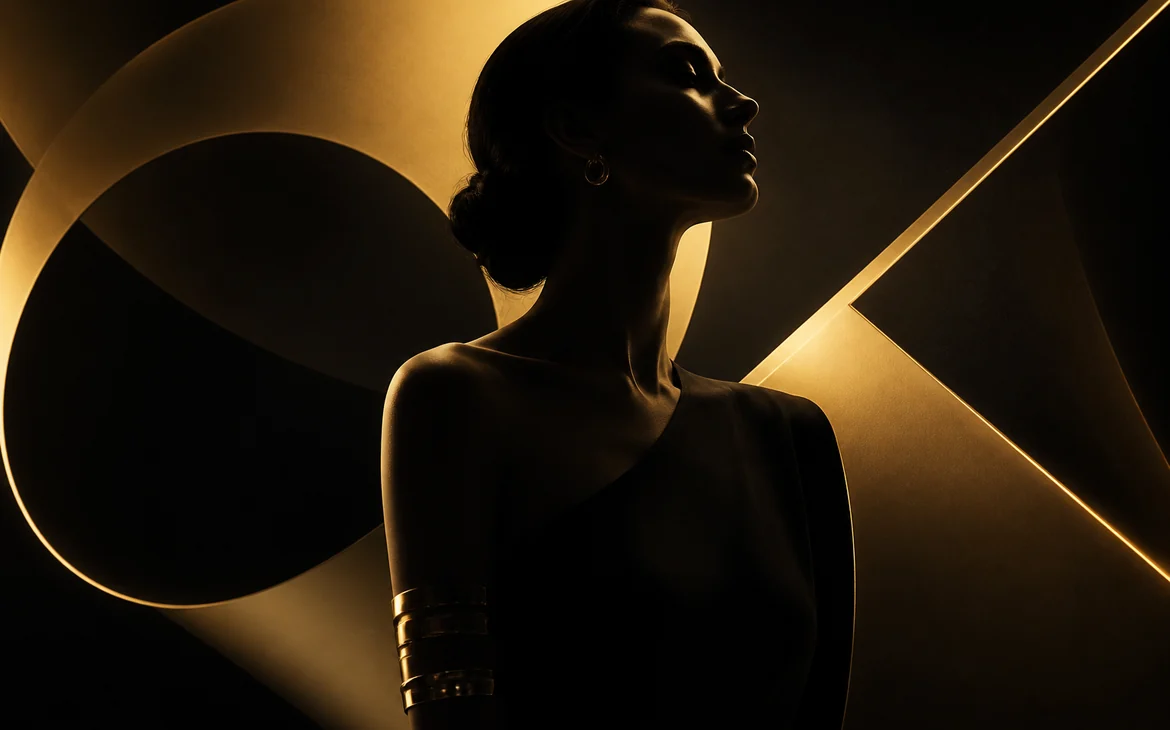
Brand KVs & text-on-image posters
Stronger prompt adherence plus clearer short type help you draft brand key visuals, event posters, and covers where the headline stays readable.
02
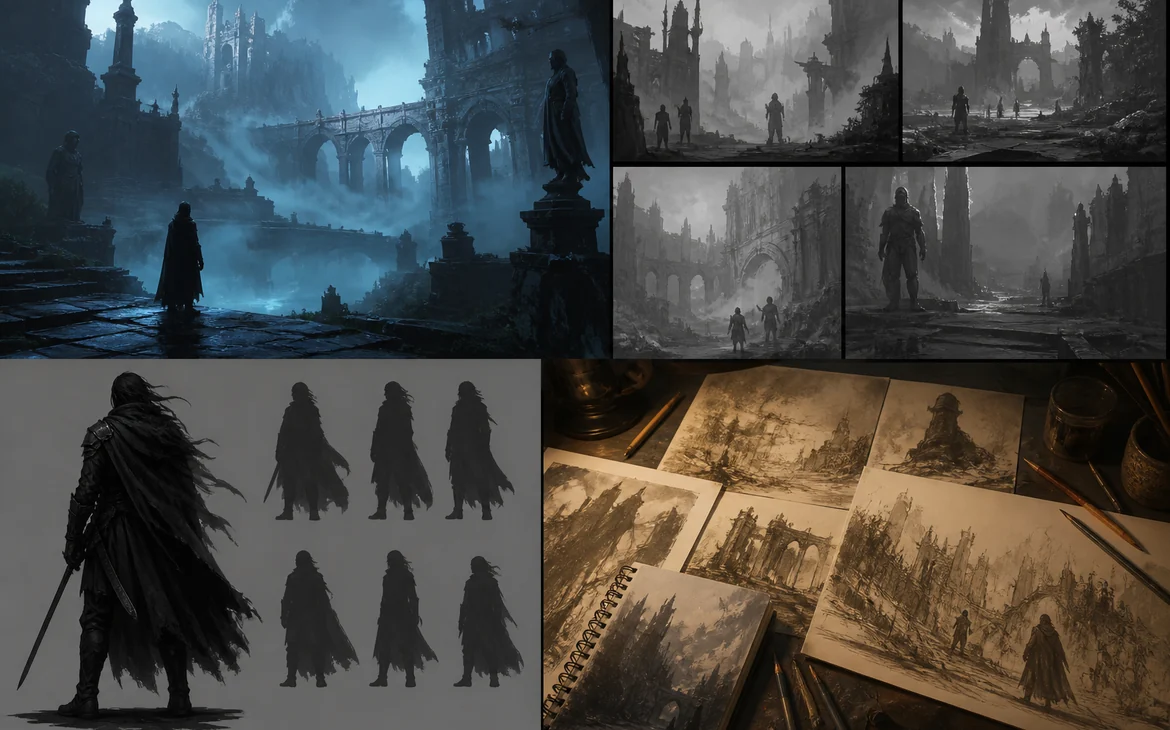
Concept design & mood boards
Fast SD is built for bulk concept sampling; Style Reference / Moodboards keep the team in one aesthetic language.
03
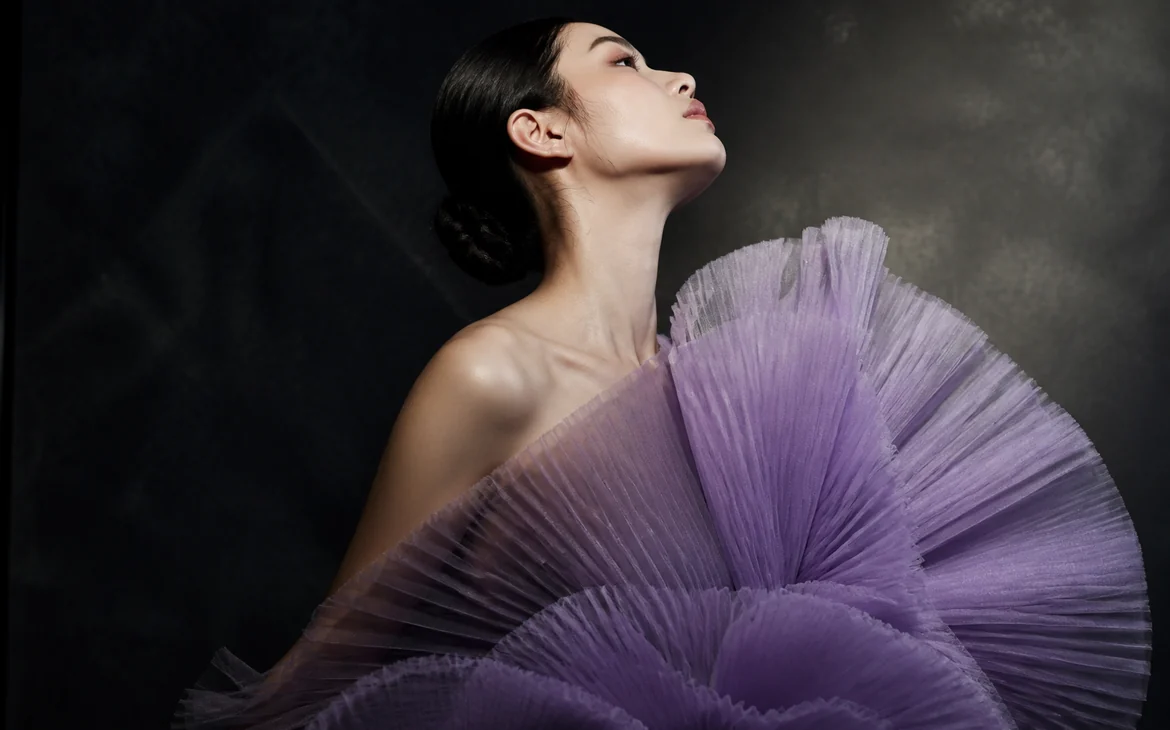
Fashion editorials & illustration finals
Native 2K HD lifts texture and edge quality for fashion edits, illustration covers, and art finals you need to review large.
04
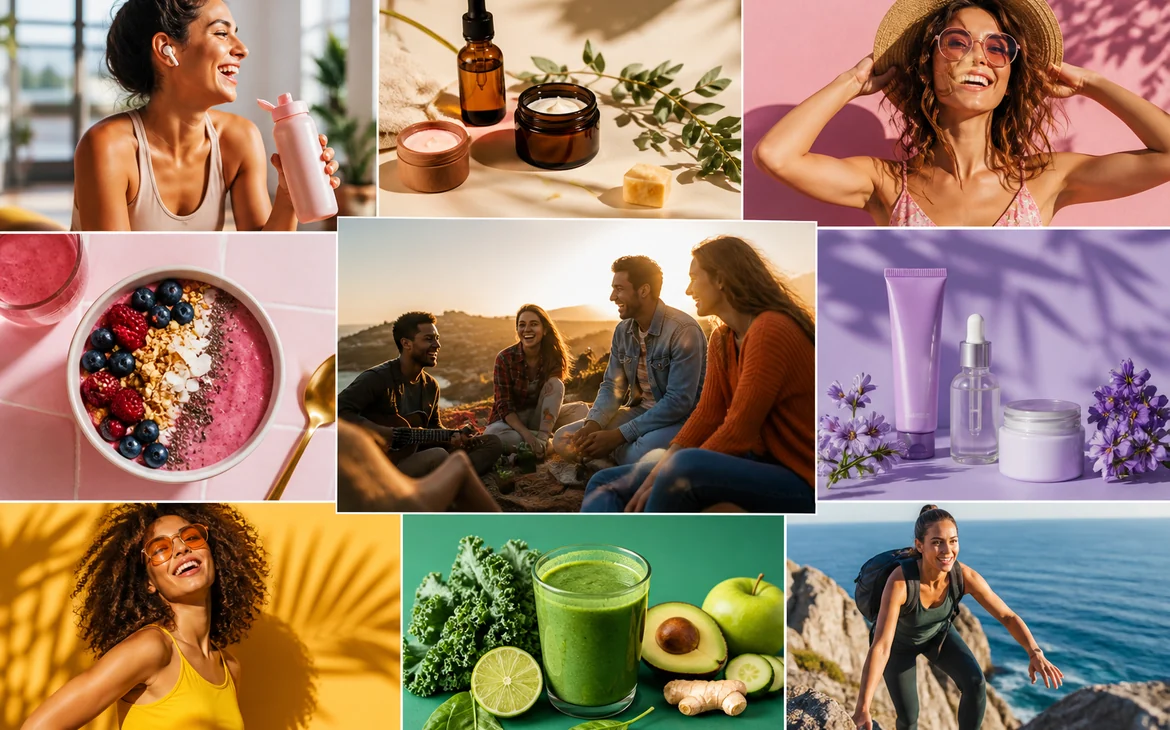
Social & marketing batch assets
Before launch, A/B compositions and palettes in SD, then promote winners to HD for banners, posts, and paid creative.
05
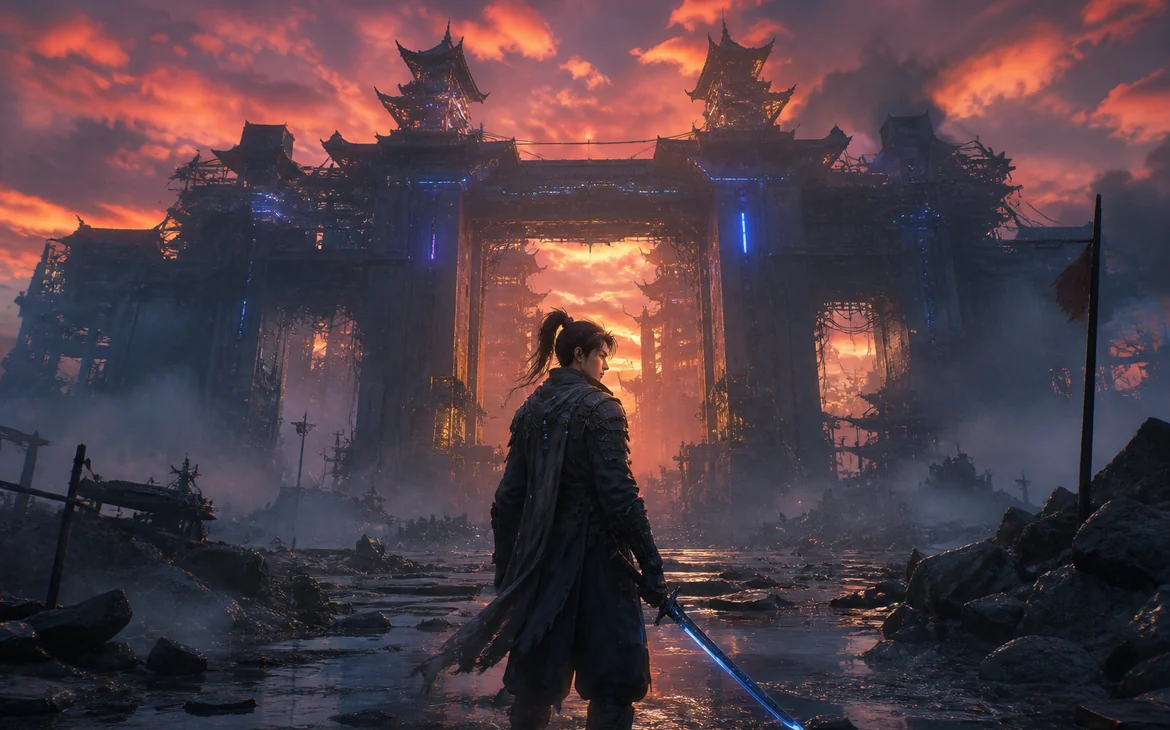
Game & film concept art
Spread scene and character directions in fast SD, then lock atmosphere and materials in HD—ideal for worldbuilding, storyboard refs, and early visual pitches.
06
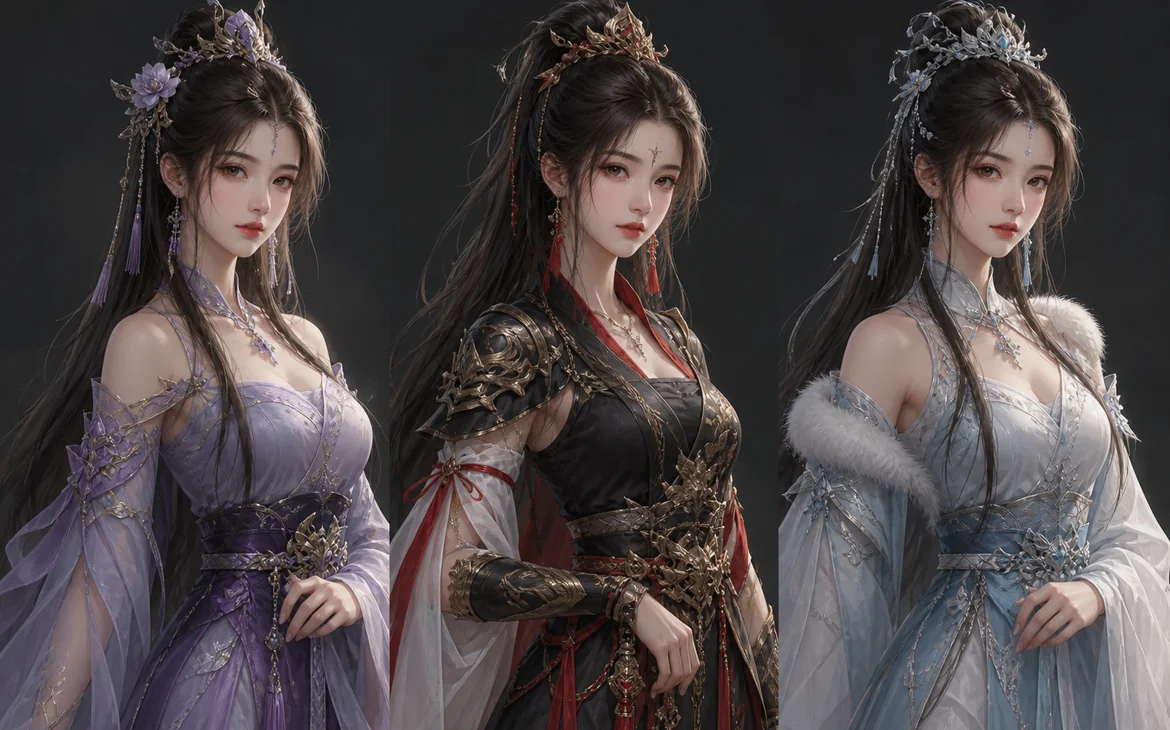
Character sheets & series casts
Style Reference plus steadier prompt adherence keep hair, costume marks, and vibe coherent while you ship expression and costume variants fast.
FAQ
Midjourney V8.1 FAQs
Speed, HD 2K, parameters, Style Reference, and how to get started.
What is Midjourney V8.1, and who is it for?
How does Midjourney V8.1 differ from V7?
When should I use SD vs HD, and what’s the GPU cost?
What is `--hd`? Do I still need Upscale?
Do Style Reference and personalization still work on V8.1?
Where can I try Midjourney V8.1 right away?
Best practices
Tips for better Midjourney V8.1 results
A few simple habits: explore faster, finalize with more confidence.
SD / Draft first, HD second
Burn direction and filter compositions in SD or Draft; promote winners with `--hd` or “Run batch as HD” to 2K—don’t spend final budget on exploration.
Prompt subject, light, and lens clearly
V8.1 rewards structure: subject → action → environment → light/lens → materials → negatives. Concrete light and materials beat vague “masterpiece” filler.
Pin `--sref` for series work
For brand or character series, lock Style Reference first and only change the content layer—or every frame re-rolls the aesthetic.
Turn on Raw when you need obedience
For complex layouts, strict product structure, or when default editorial polish is too strong, enable Raw and ease `--stylize` down.
Keep in-image text short and exact
Ask for one short title, spell the exact copy and rough placement in the prompt; on failure, rerun with the same spelling before changing style words.
Set `--ar` before composition
Choose the frame for delivery (HD max ~4:1). Wrong aspect ratio means a good composition still needs a crop or a full rerun.
Blog
Latest from the blog
AI image tips, model comparisons, and prompt practice.
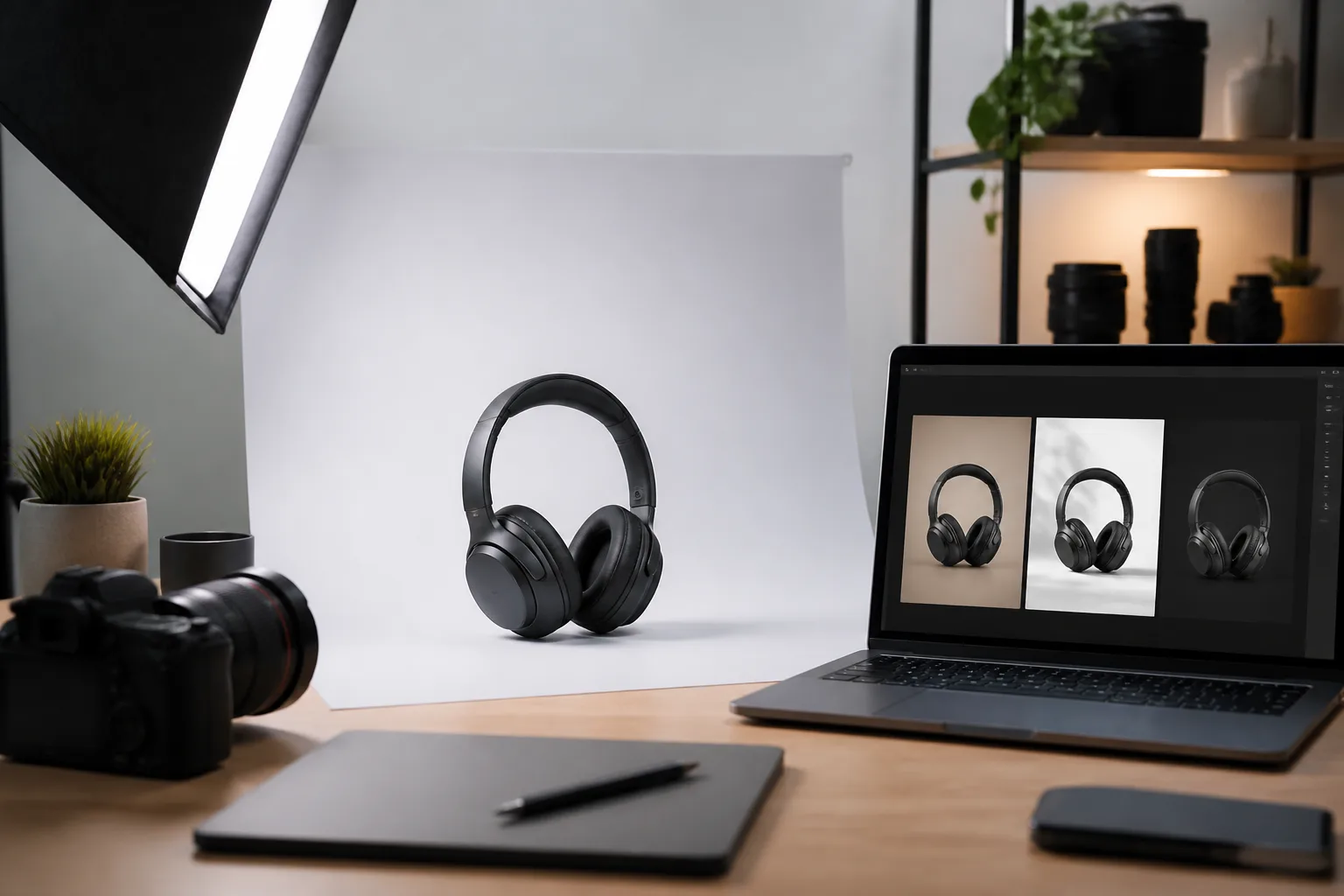
AI Product Photo Workflow 2026: Generate, Cut Out, Enhance, Ship
A practical 2026 AI product photography workflow—generate heroes in the AI Image Generator, clean backdrops with Background Remover, sharpen with Photo Enhancer, and ship ecommerce-ready frames on bikabika AI.
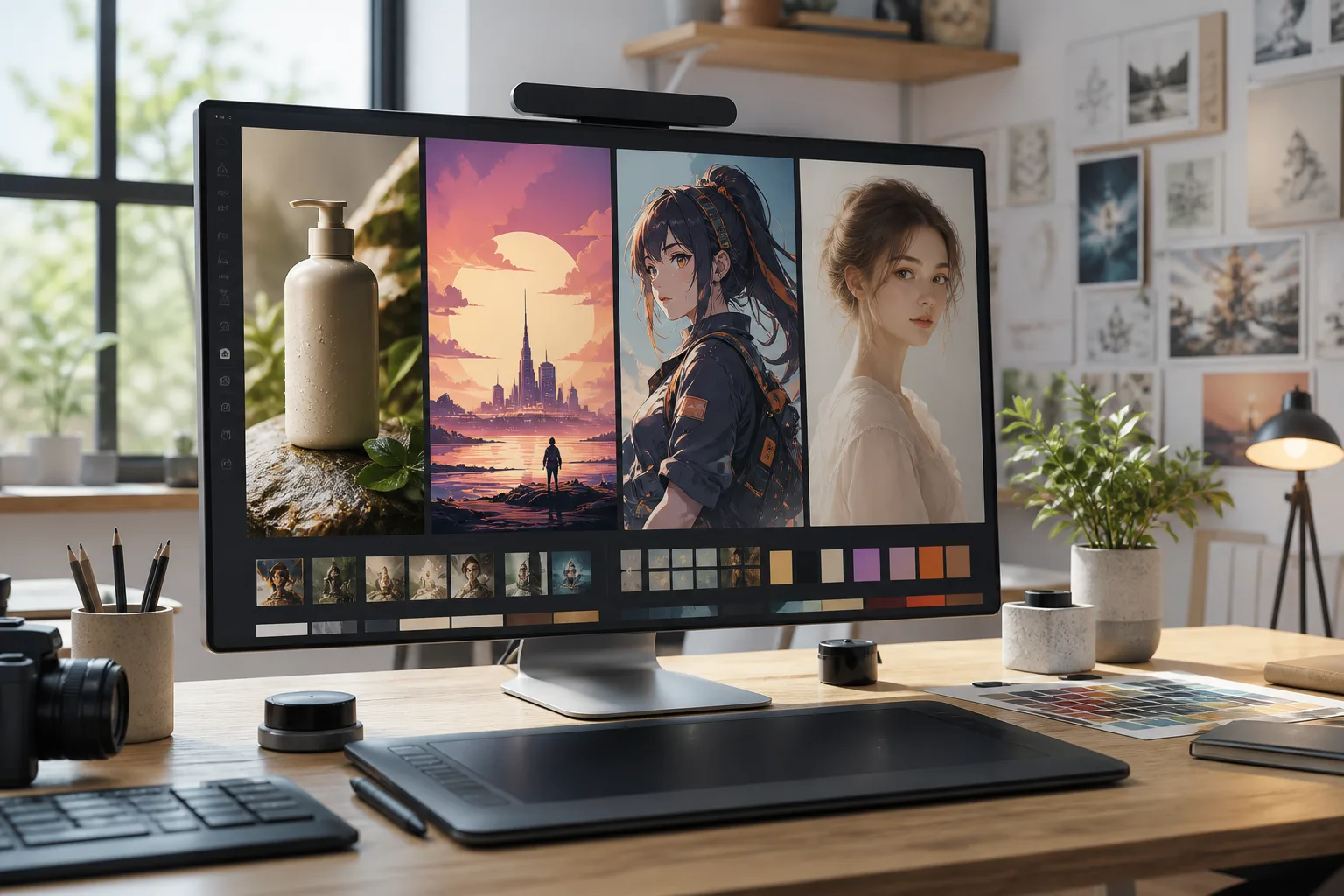
Best AI Art Generator in 2026: A Multi-Model Workflow That Actually Ships
Looking for the best AI art generator in 2026? Skip single-model rankings. Build a multi-model workflow across Midjourney, GPT Image 2, Nano Banana, and on-site tools so ideas become publish-ready art faster.
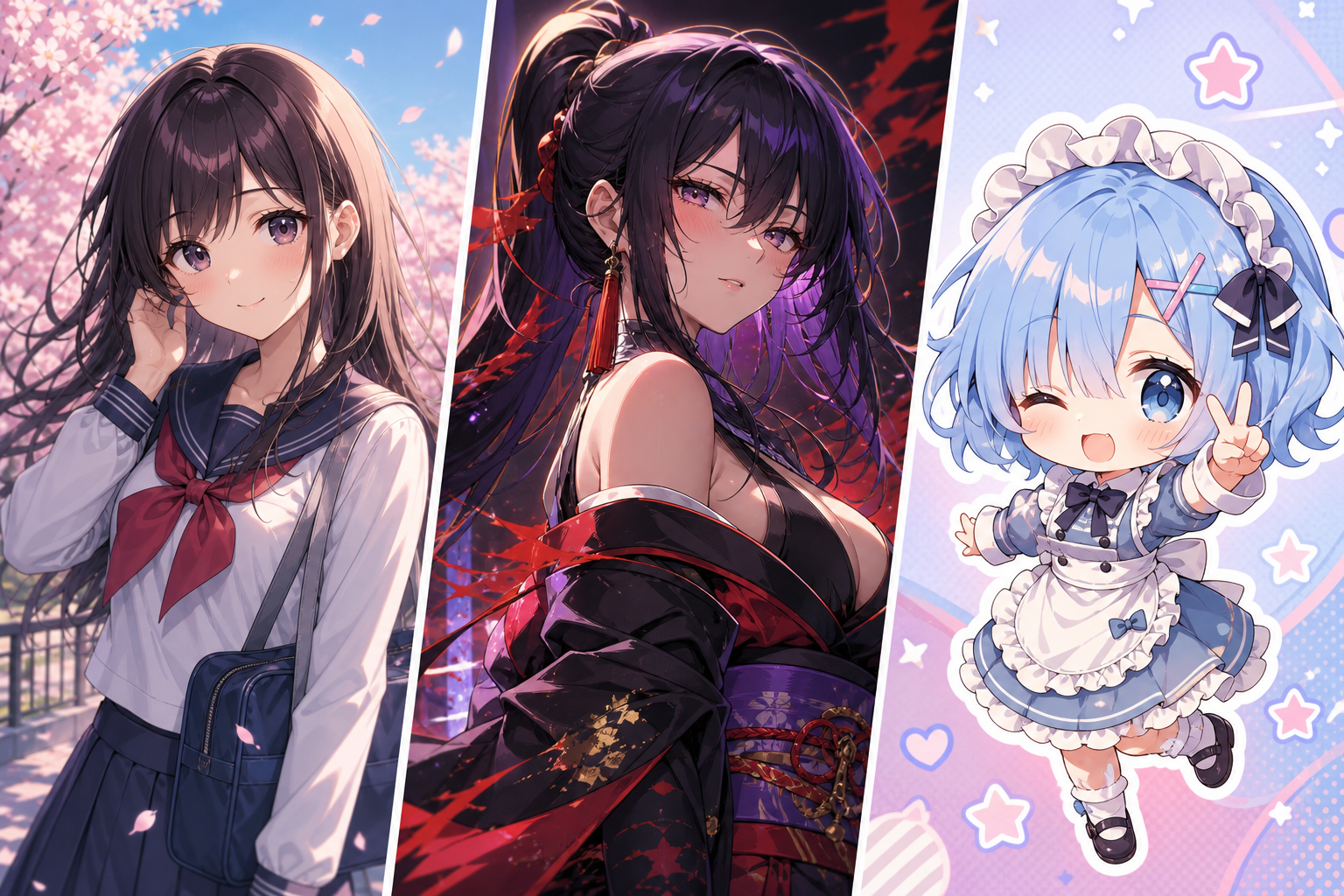
Best AI Image Generator for Anime Fan Art & Doujinshi (2026 Guide)
A practical 2026 guide to AI image generators for anime fan art and doujinshi-style illustrations—when to use Midjourney, GPT Image 2, Nano Banana, and the bikabika AI Anime Generator, plus cover art, badge, and compliance tips.
Ready when you are
Start generating with Midjourney V8.1
Open the bikabika AI workspace to explore concepts at speed, build Style Reference series, and finalize in native 2K HD. Capabilities and best practices are on this page—creation accelerates here.