



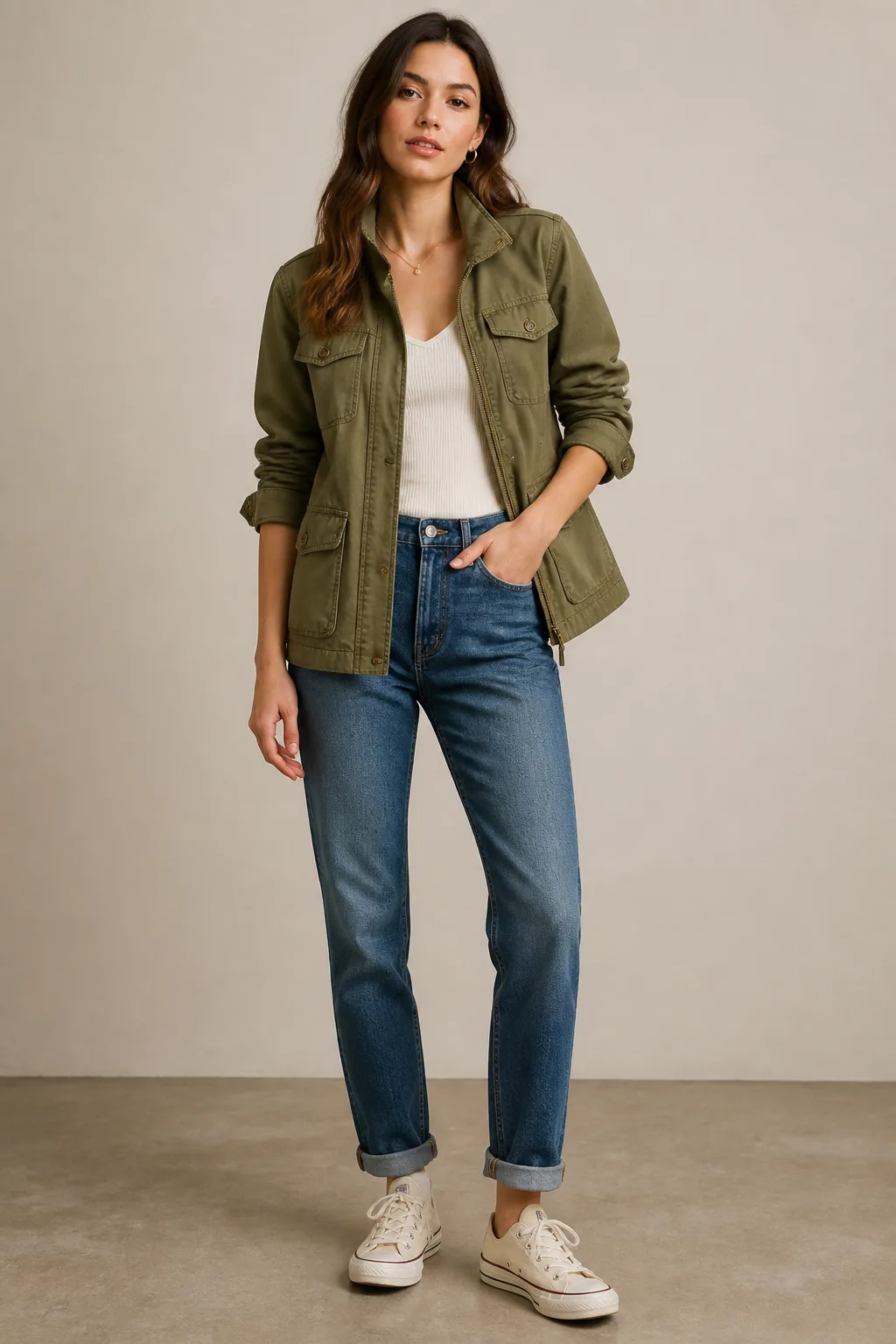
Nano Banana AI Image Generator Gemini-native images: second-scale drafts to up to 4K finals
Nano Banana is Google DeepMind’s native image family for Gemini—Nano Banana 2 Lite, Nano Banana 2, and Nano Banana Pro. Lite delivers ~4s 1K frames at about $0.034; 2 and Pro unlock higher resolution and heavier workflows. Try it online on bikabika AI.
Generate AI Images Online with Nano Banana
Configure and generate here · Nano Banana
After you set the model, prompt, and options, we open the workspace to run the job.
Estimated cost—pts
Core capabilities
Six Nano Banana strengths—layered by speed, cost, and precision
From near-real-time drafts to professional 4K delivery—explore, iterate, and finalize in one family.

Three tiers: Lite / 2 / Pro
Nano Banana 2 Lite (gemini-3.1-flash-lite-image) prioritizes speed and cost; Nano Banana 2 (gemini-3.1-flash-image) is the balanced workhorse for quality and latency; Nano Banana Pro (gemini-3-pro-image) targets complex professional jobs and tighter control. Switch tiers by task—don’t force one model to do everything.
- Lite: high-frequency exploration and batch trials
- 2: default for everyday finals
- Pro: complex constraints and pro delivery
Near-real-time generation
Lite can push text-to-image into the ~4-second range—ideal for interactive prototypes, ad previews, and high-throughput pipelines. Google also positions it as a recommended upgrade path from the original Nano Banana (gemini-2.5-flash-image).
- ~4s 1K previews
- Lower unit cost ~$0.034
- Built for A/B and high volume
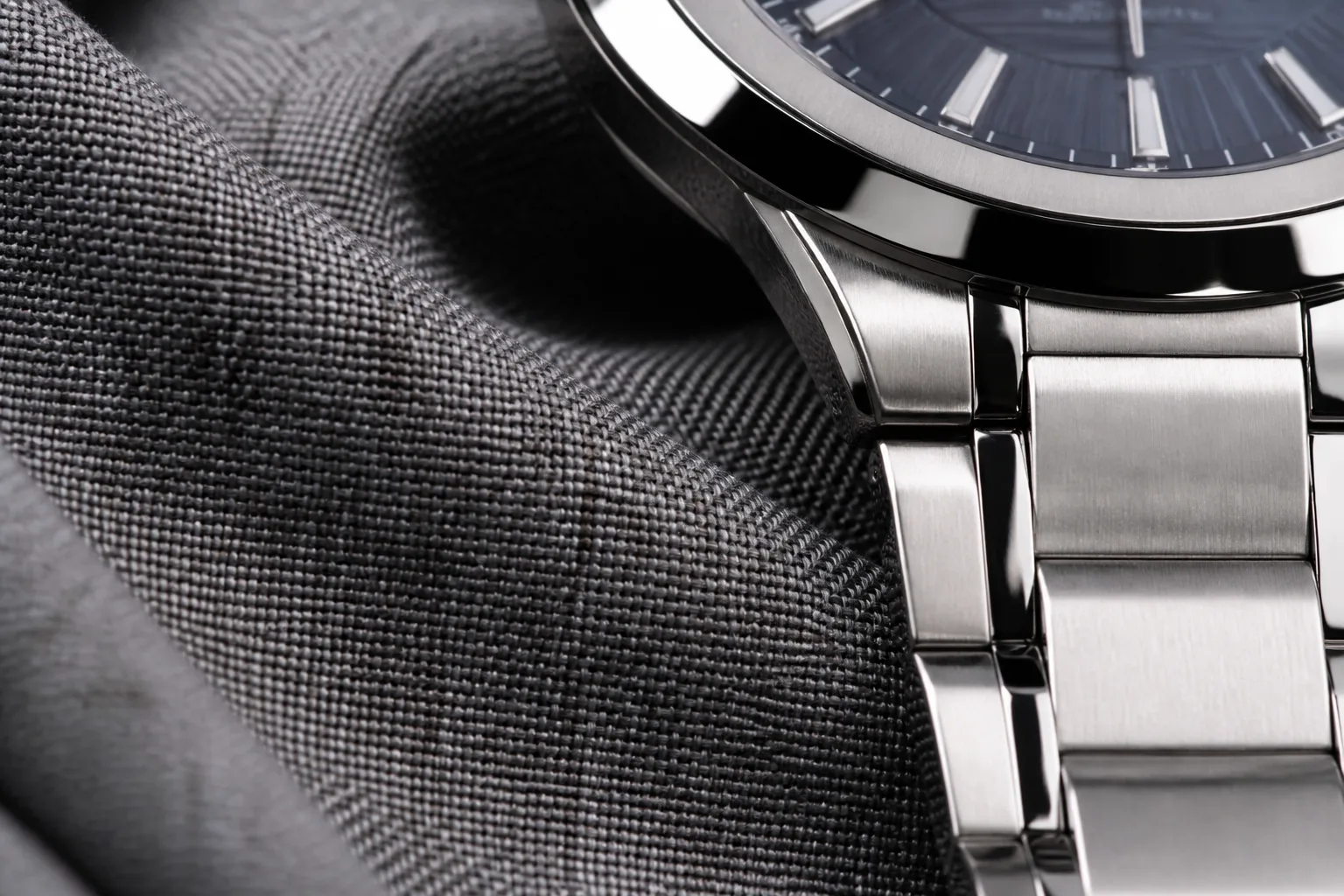
Flexible resolution up to 4K
The family supports multi-resolution workflows: Lite focuses on fast 1K; Nano Banana 2 can cover 0.5K–4K tiers (including smaller previews to accelerate trials); Pro targets professional asset production. Screen compositions cheaply first, then promote winners to 2K/4K.
- Screen direction on small sizes first
- Upsize for finals
- Pro for professional finishes
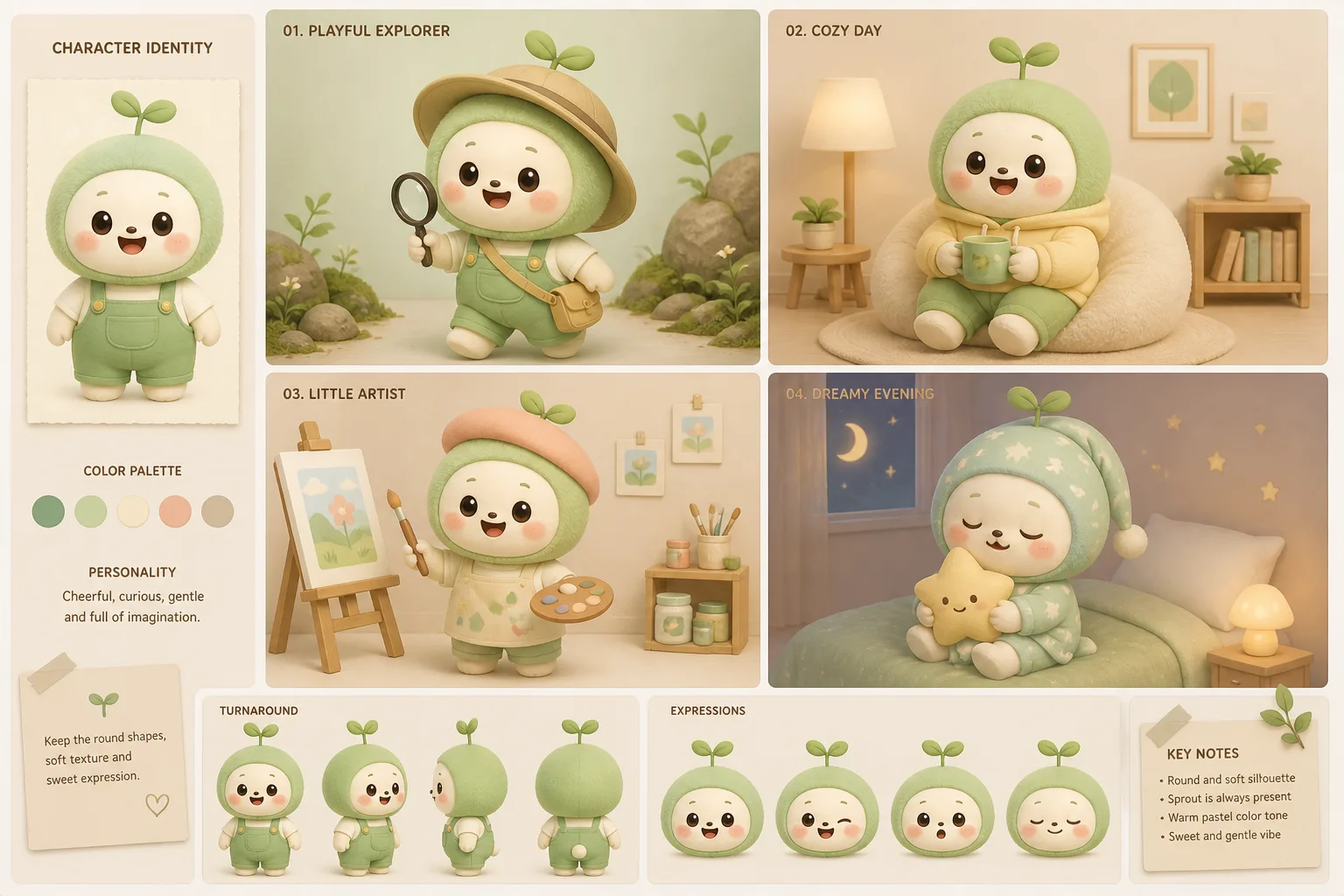
Multi-reference & character consistency
Nano Banana 2 / Pro can mix multiple reference images (up to about 14 in official docs) to lock characters, products, and brand look—great for series casts, virtual try-on, and ecommerce variants across scenes.
- More stable identity across shots
- Reusable product appearance
- Ideal for IP and series content
Stronger in-image text
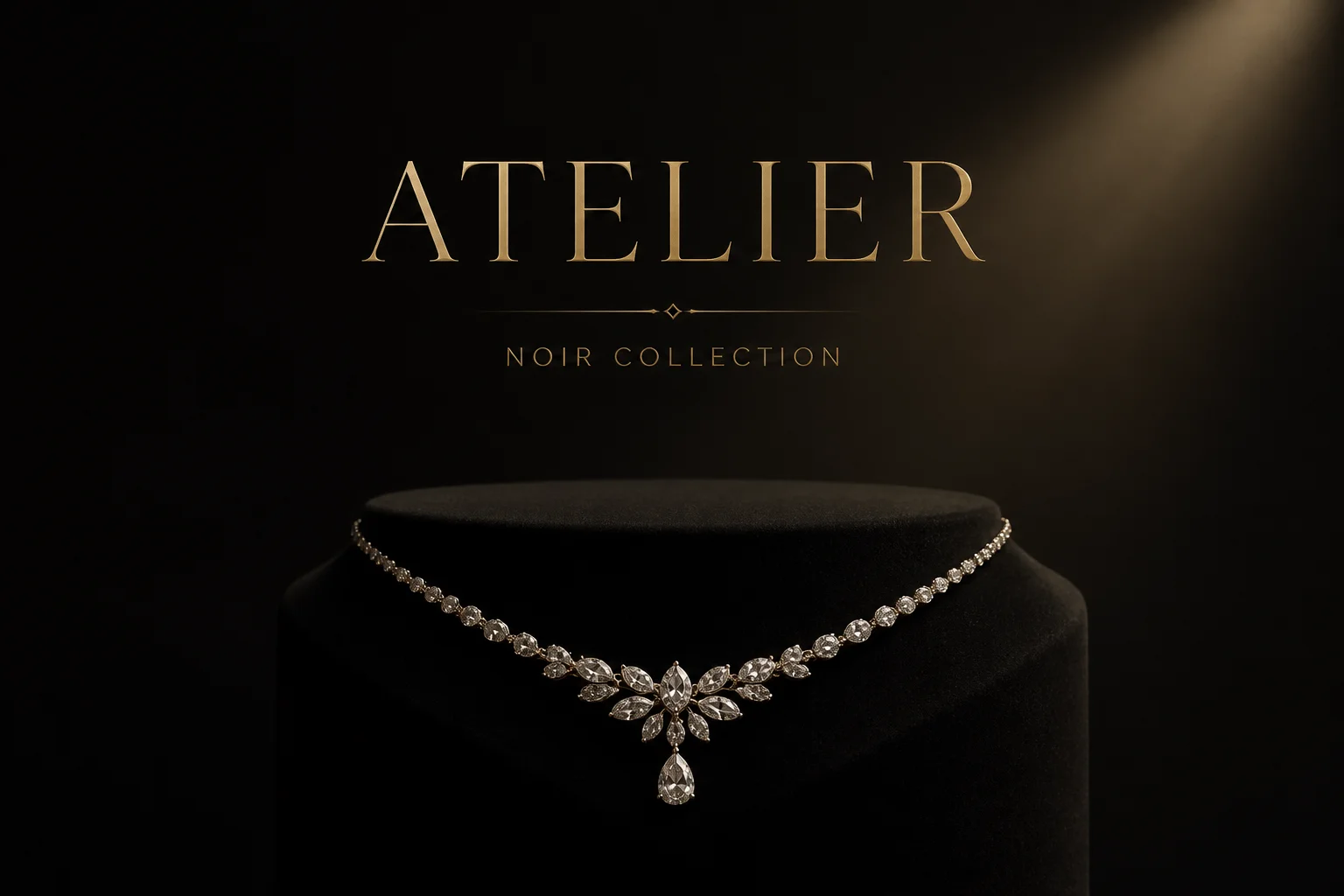
Gemini image models are more usable for short headlines, packaging copy, and localized posters. Still spell out the exact string and rough placement in the prompt—short lines beat long paragraphs.
- Clearer short headlines
- More usable packaging and banners
- Exact copy beats stacked adjectives
World knowledge & search grounding
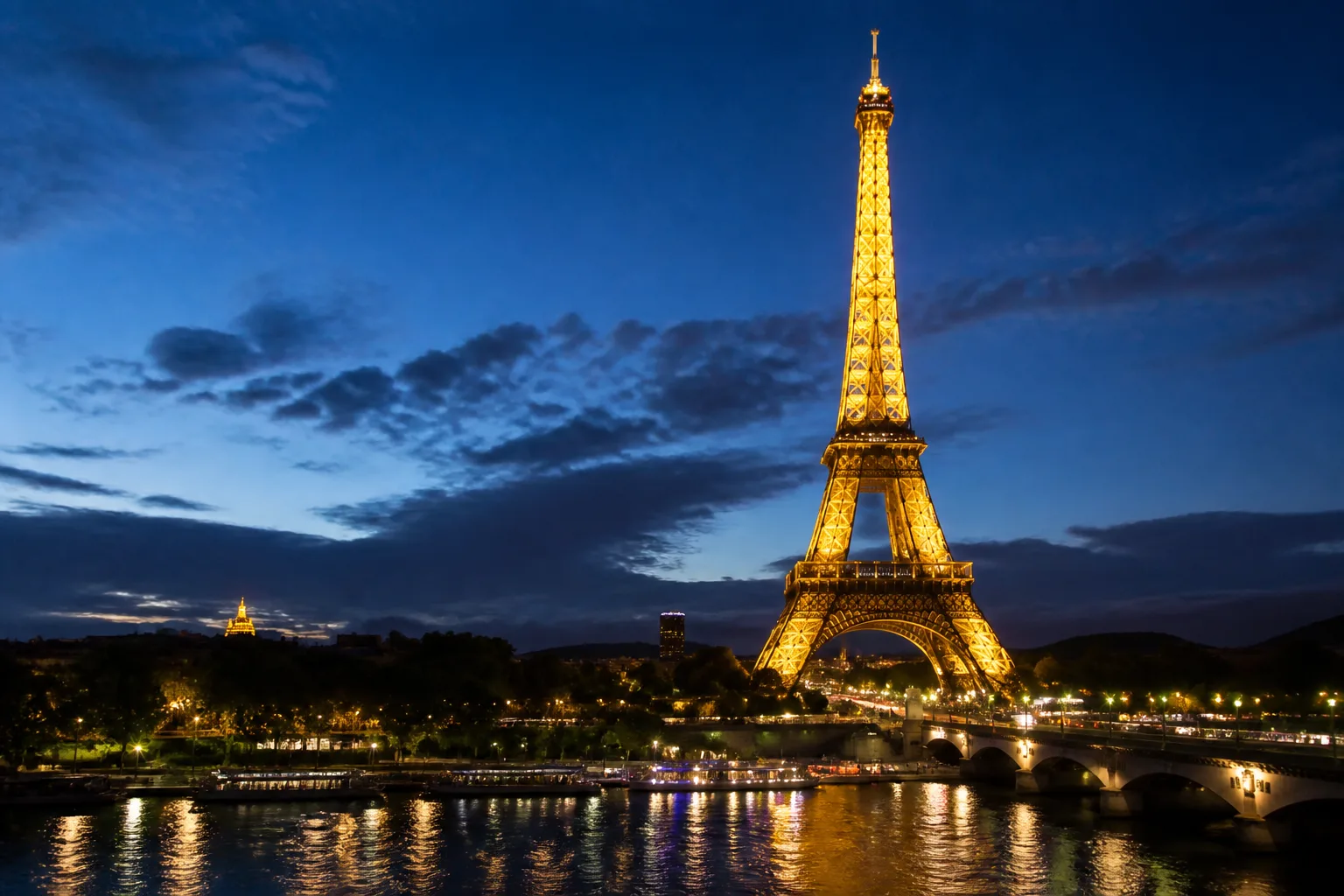
Nano Banana 2 can ground with Google Search (text/image) to depict real objects, landmarks, and category looks more faithfully; Pro leads on complex reasoning and brand consistency. Best when you need “looks real” marketing and explanatory visuals—not pure fantasy.
- More reliable landmarks and objects
- More credible marketing explainers
- Prefer Pro for complex jobs
Model & parameters
In focus: the Nano Banana family
Google’s Gemini-native image generation family. Marketed as Nano Banana, backed by Flash-Lite Image, Flash Image, and Pro Image. Layered by latency, cost, resolution, and control—from exploration to professional delivery.
Gemini Image Family
Nano Banana
Lite Nano Banana 2 Lite
API: gemini-3.1-flash-lite-image. About 4s / ~$0.034 per 1K image—built for near-real-time and high throughput. Not optimized for heavy multi-reference or long sequential edits; ideal for drafts, batches, and cost-sensitive pipelines.
Explore and batch on Lite first
NB2 Nano Banana 2
API: gemini-3.1-flash-image. The balanced workhorse: higher quality ceiling, stronger multi-ref consistency, plus search grounding; resolution spans small previews to higher finals. The default recommendation for most new projects.
Default to 2 for everyday finals
Pro Nano Banana Pro
API: gemini-3-pro-image. Choose when complex visuals, brand consistency, and precision control matter most; up to professional 4K asset production. Prefer Pro when accuracy beats raw speed.
Use Pro for complex delivery
Refs Multi-reference inputs
On supported tiers, mix multiple references (up to ~14 officially; PNG/JPEG/WebP and more) to anchor characters, products, and style. Cleaner refs with a clear subject keep consistency steadier.
Pin references before series work
AR Aspect ratio & frame
Supports common social and ad frames; some tiers also cover more extreme ratios (tall/wide banners). Set the frame for the channel first, then write composition—wrong aspect wastes budget on crops or reruns.
Set aspect ratio before composition
Edit Conversational multi-turn edits
Iterate with dialogue-style local edits: change backgrounds, outfits, or text placement. Lite leans toward fast generation; complex sequential edits prefer higher tiers.
Fine-edit after the direction locks
Note: outputs typically include SynthID and related AI content credentials—follow Google’s official policy. Lite vs 2/Pro have different ceilings—don’t force Lite into heavy multi-ref/edit loads, and don’t burn Pro budget on open-ended exploration. Recommended flow: Lite to screen → 2 for everyday finals → Pro for complex delivery.
Getting started
How to use Nano Banana
Four steps from idea to finished frame—built for creators trying Nano Banana on bikabika AI for the first time.
- 1
Open the workspace
Hit “Try Nano Banana” to enter the image workspace. Sign in or create an account and you’re ready to generate.
- 2
Pick the tier for the job
Explore/batch on Lite; everyday finals on Nano Banana 2; complex brand and 4K delivery on Pro. Validate the same prompt on Lite first, then upgrade.
- 3
Write a structured prompt
Spell out subject, light, lens, frame, and non-negotiable constraints. Include exact copy for text-on-image; attach references for series consistency.
- 4
Iterate in short rounds and export
Change one variable per round and keep winner/reject notes; once direction locks, raise resolution or move up a tier, then export for delivery.
Use cases
What you can make with Nano Banana
Start from one prompt and turn marketing, ecommerce, and series content into frames you can ship.
01
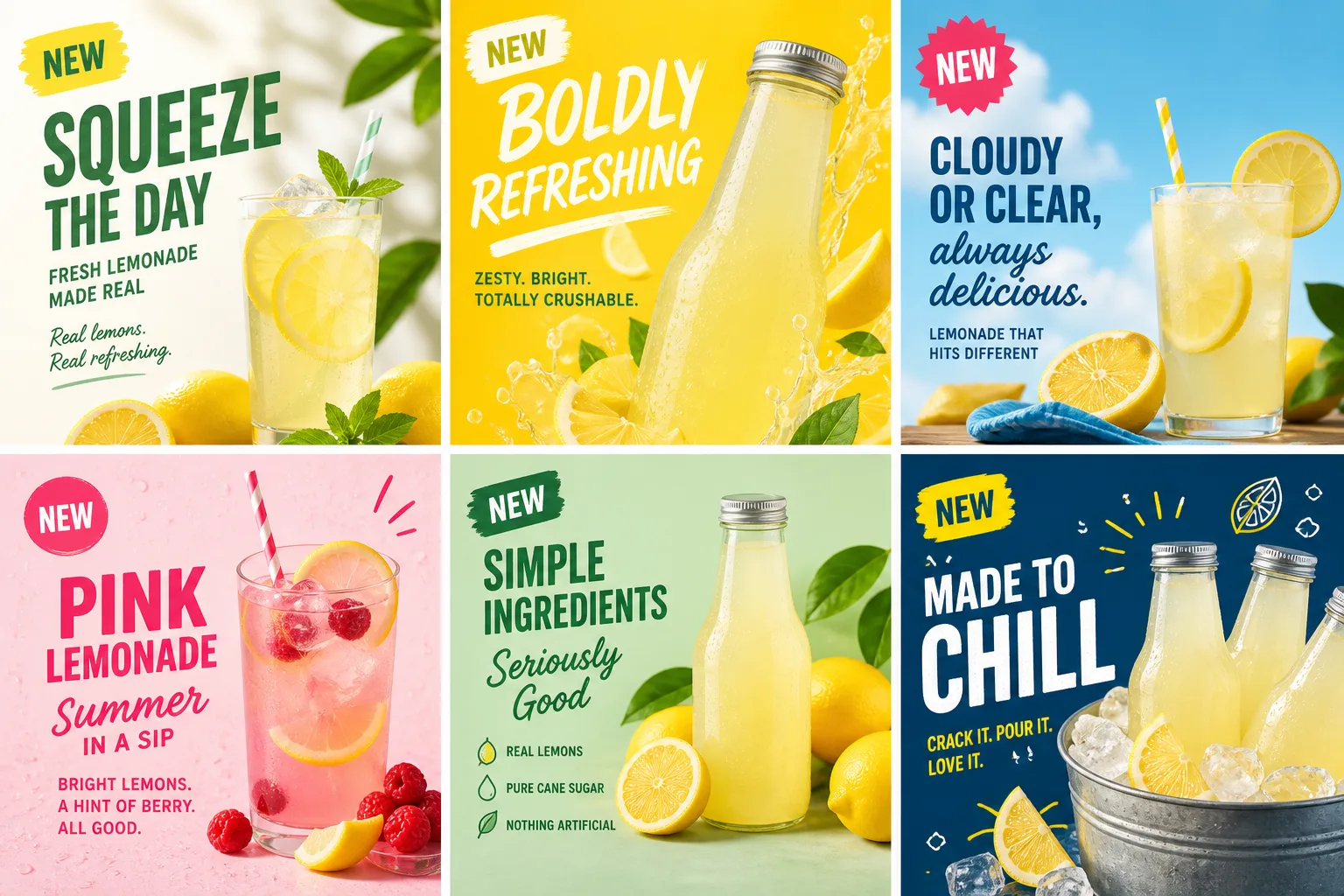
Ad creative batch A/B
Use Lite to spread composition and copy variants fast, then promote winners to Nano Banana 2 / Pro for stabler finals—ad previews and banner tests included.
02
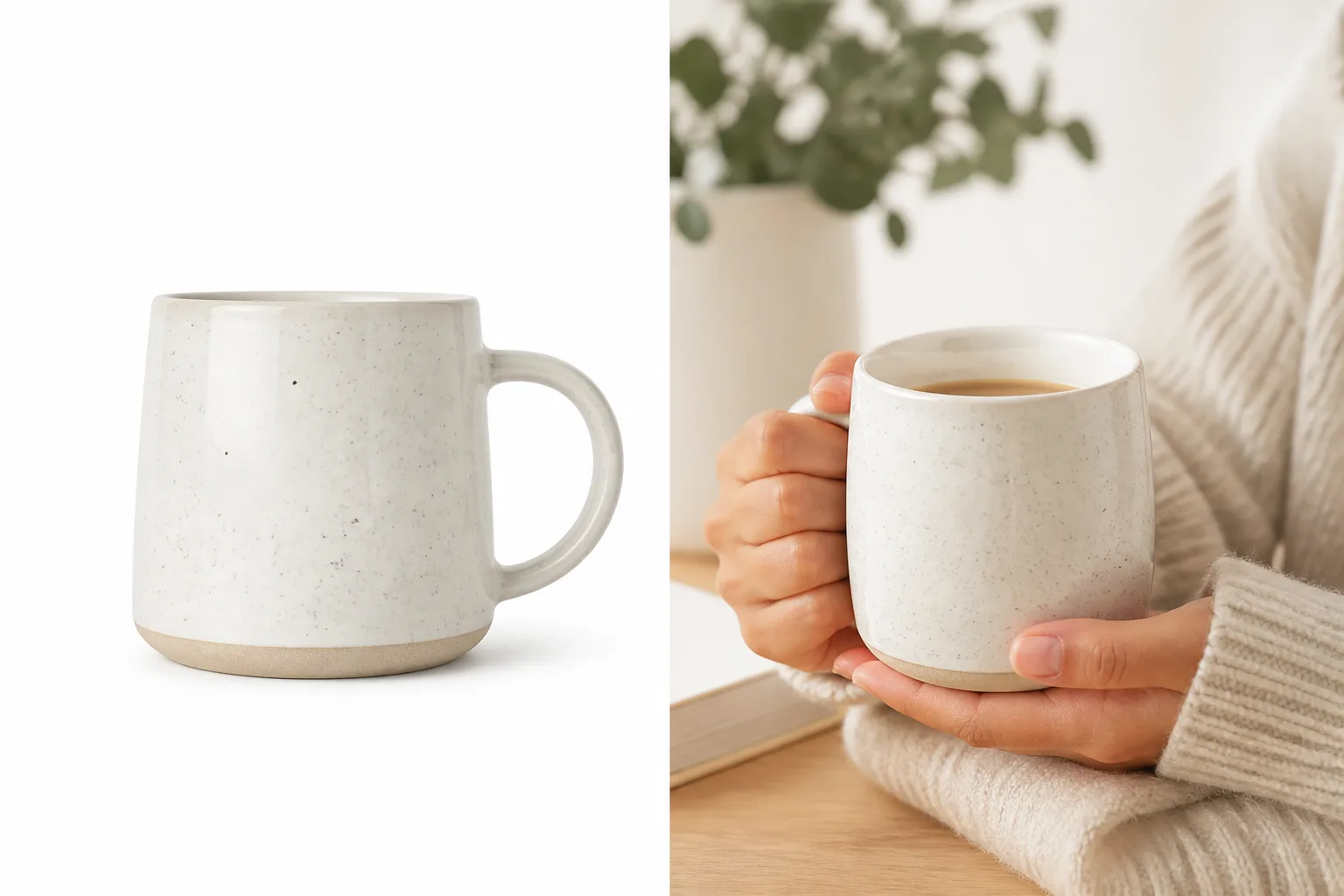
Ecommerce products & packaging
Lock bottle/box form with multi-reference and verify label readability with short clear copy—white-background heroes, lifestyle scenes, and packaging concepts.
03
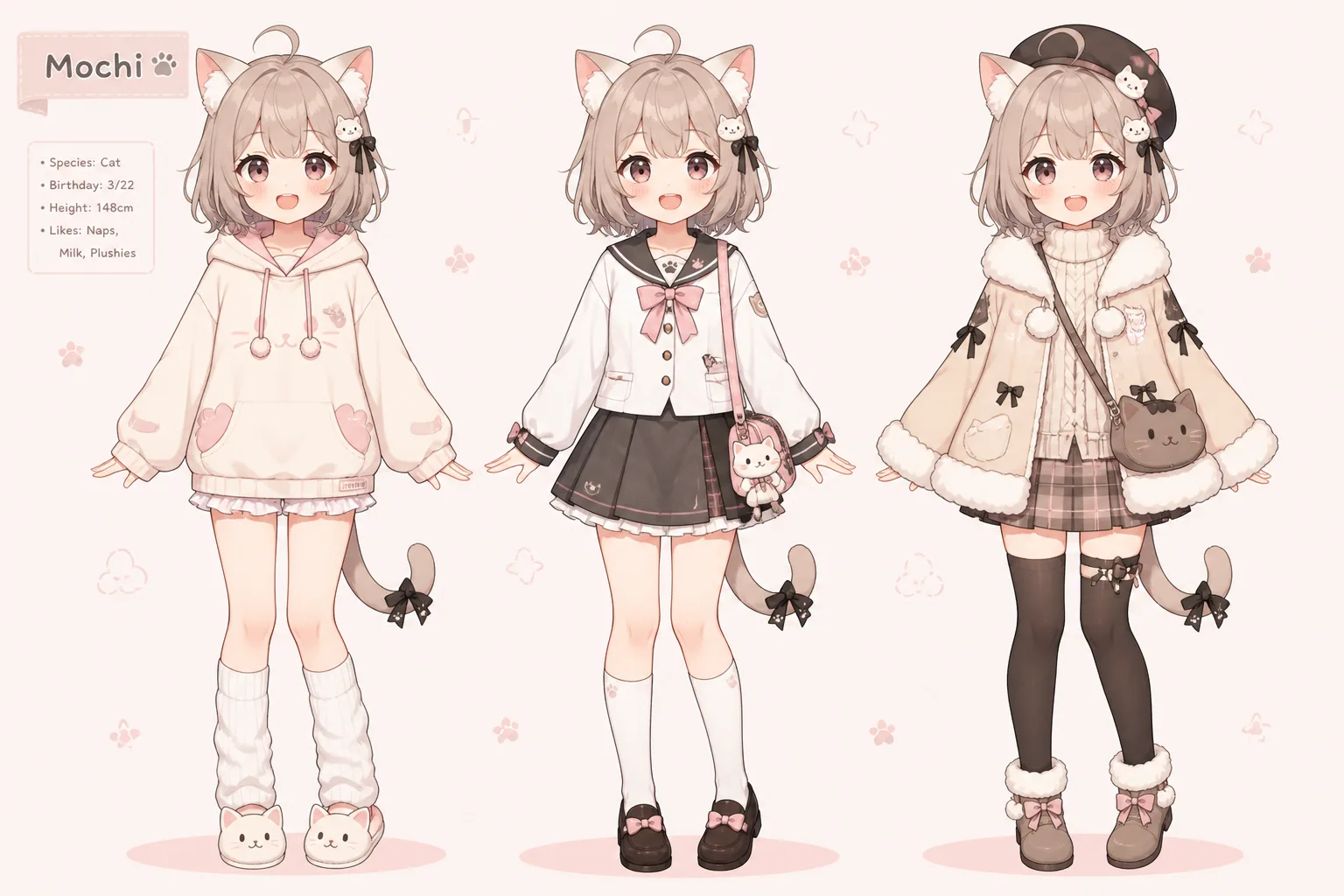
Character IP & series consistency
Pin hair, costume marks, and vibe with references, then extend expressions and outfit variants across scenes—ideal for content accounts and virtual personas.
04
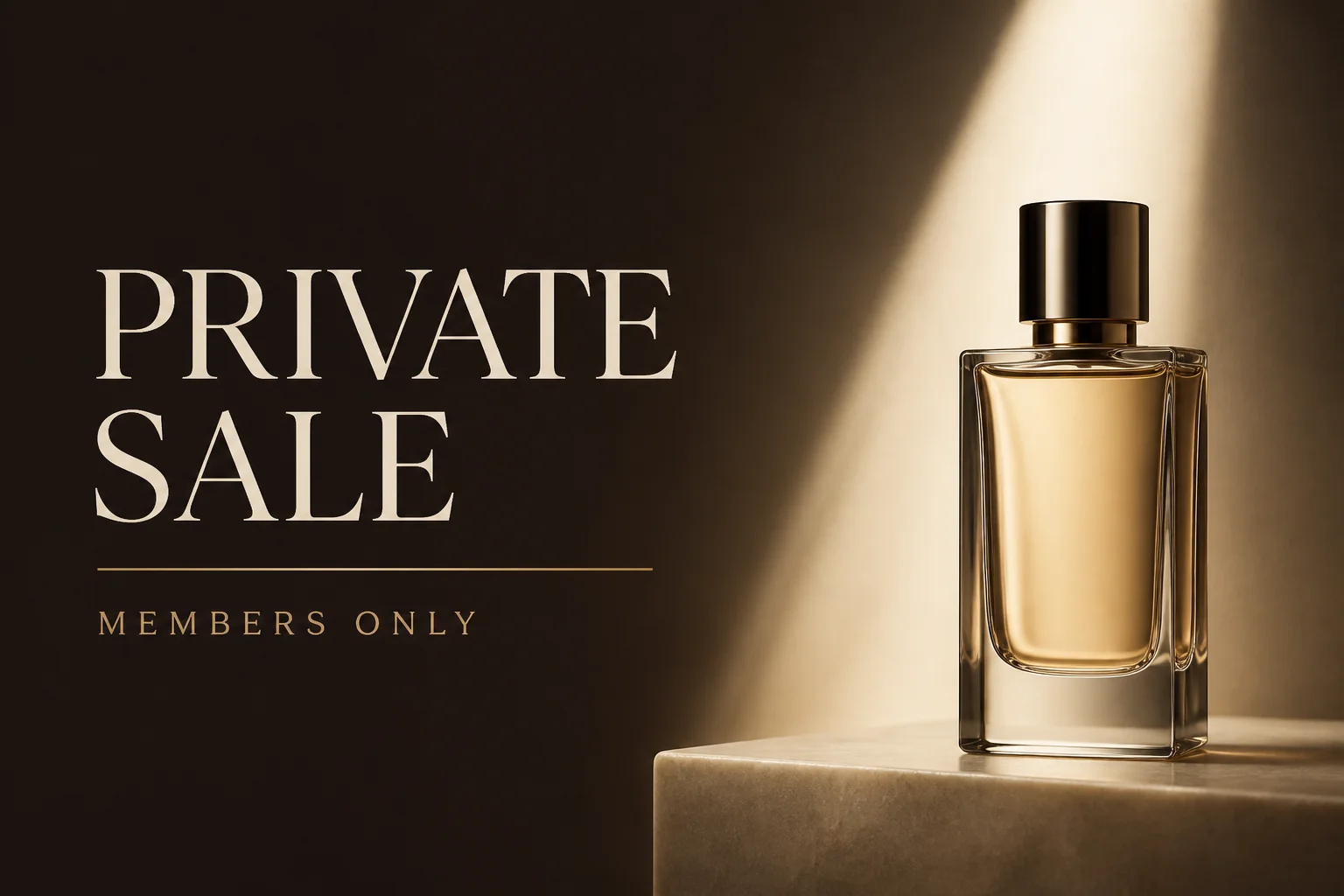
Localized text-on-image posters
Short headlines, campaign slogans, and multilingual poster type stay more usable—event key visuals, social covers, and regional ad materials.
05
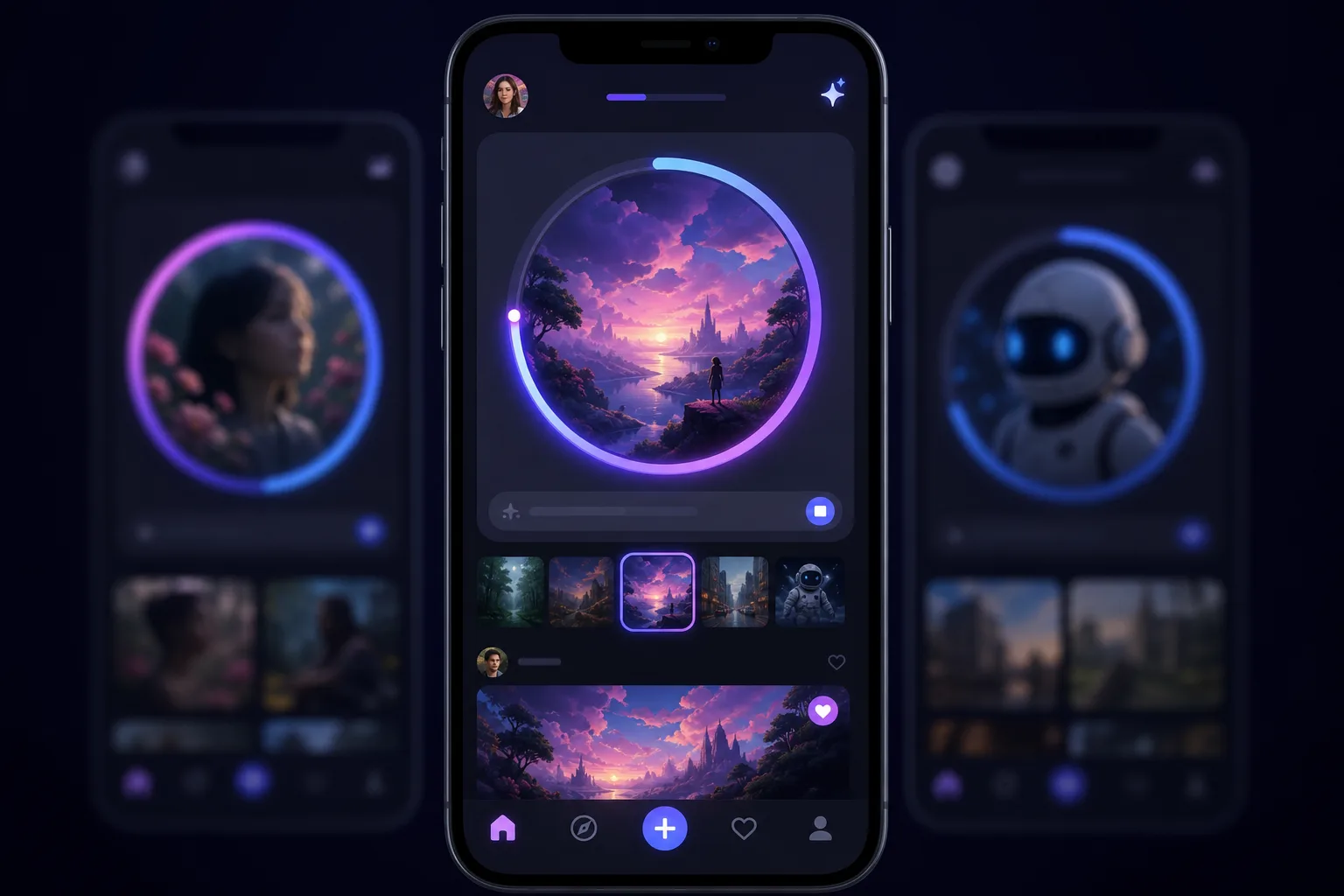
Near-real-time social & in-app generation
Lite’s low latency fits interactive flows, template previews, and high-traffic apps where users expect to see a frame as soon as they ask.

06
Professional 4K visual delivery
When accuracy, brand consistency, and resolution come first, use Pro for complex compositions and high-clarity finals—pitches and formal assets.
FAQ
Nano Banana FAQs
Family positioning, Lite / 2 / Pro selection, speed and cost, references, and how to get started.
What is Nano Banana, and how does it relate to Gemini?
How should I choose Nano Banana 2 Lite, 2, or Pro?
How fast and expensive is Nano Banana 2 Lite?
Does it support multi-reference and character consistency?
How good is in-image text?
Where can I try Nano Banana right away?
Best practices
Tips for better Nano Banana results
A few simple habits: explore faster, finalize with more confidence, and keep cost under control.
Lite first, then 2 / Pro
Burn direction and filter composition/copy variants on Lite; promote winners to Nano Banana 2 or Pro—don’t spend final budget on exploration.
Prompt subject, light, and hard constraints clearly
Structure: subject → action → environment → light/lens → materials → negatives. Concrete light and product marks beat vague “masterpiece” filler.
Pin references for series work
For character or product series, lock references first and only change the content layer—or every frame re-rolls appearance.
Keep in-image text short and exact
Ask for one short title, spell the exact copy and rough placement; on failure, rerun with the same spelling before changing style words.
Set the frame before composition
Pick the ratio for the channel (vertical social, landscape banner, square commerce). Wrong aspect ratio means a good composition still needs a crop or a full rerun.
Move complex edits to higher tiers
Long sequential edits, heavy multi-ref mixes, or strict brand consistency belong on Nano Banana 2 / Pro—don’t force Lite to carry them.
Blog
Latest from the blog
AI image tips, model comparisons, and prompt practice.
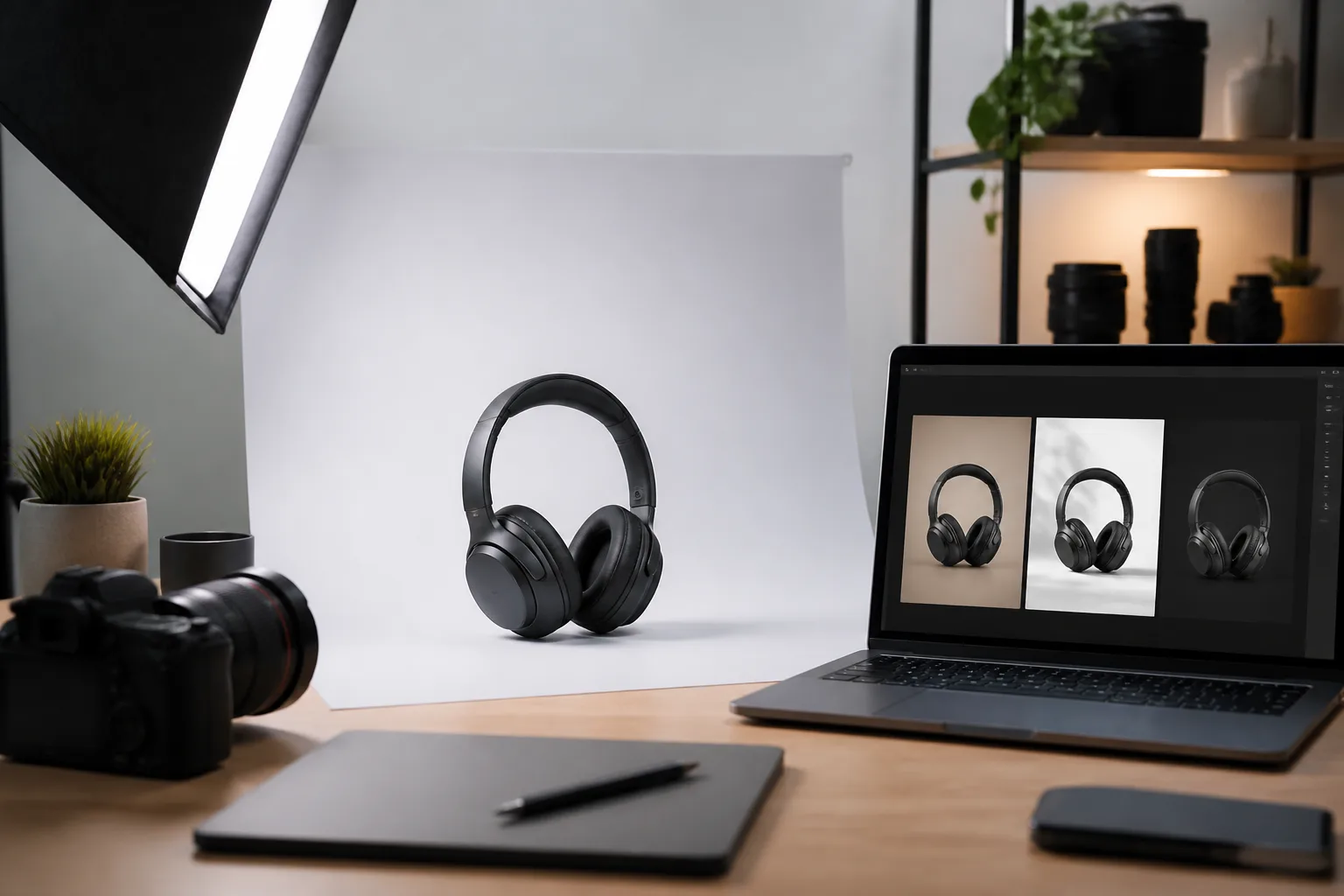
AI Product Photo Workflow 2026: Generate, Cut Out, Enhance, Ship
A practical 2026 AI product photography workflow—generate heroes in the AI Image Generator, clean backdrops with Background Remover, sharpen with Photo Enhancer, and ship ecommerce-ready frames on bikabika AI.
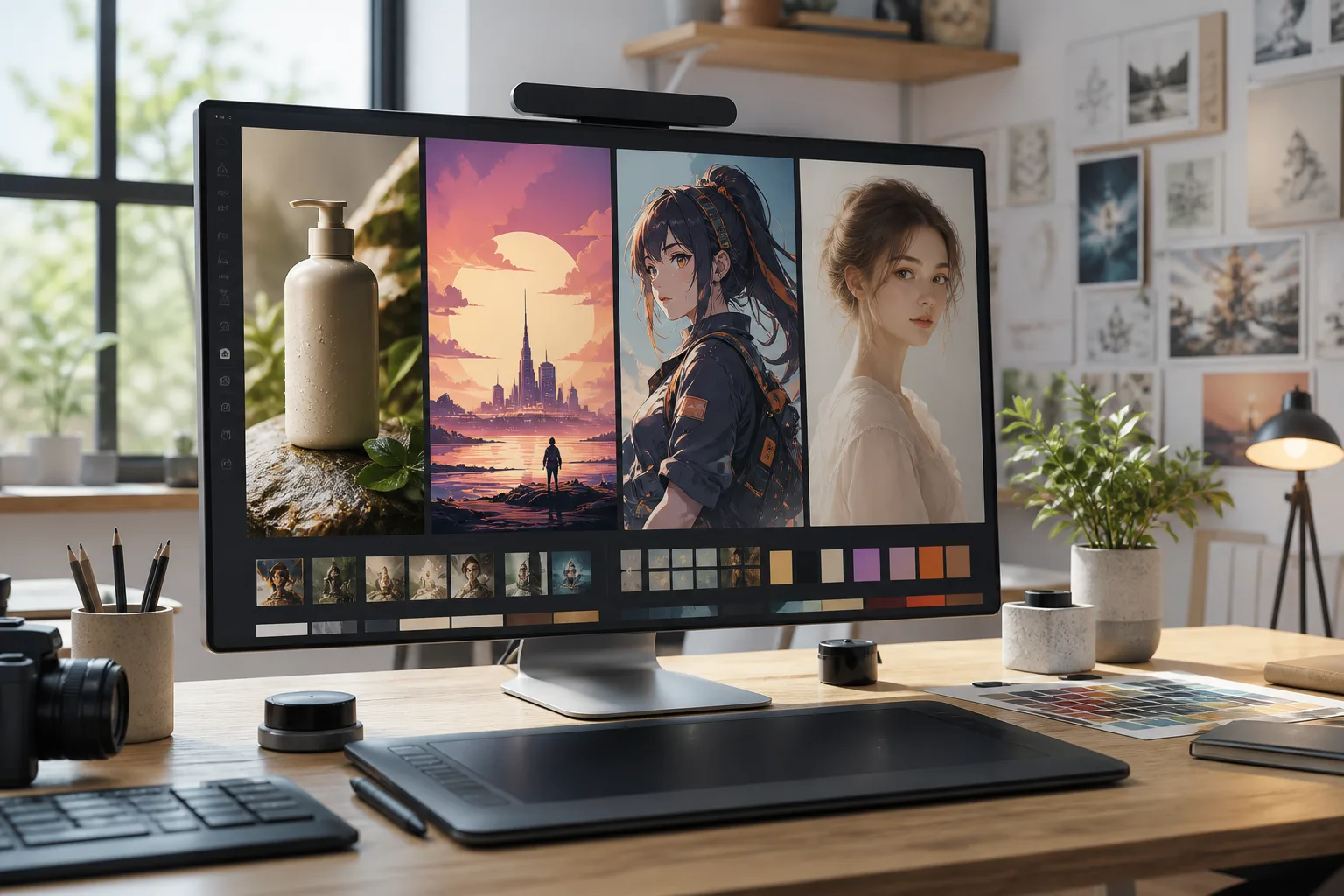
Best AI Art Generator in 2026: A Multi-Model Workflow That Actually Ships
Looking for the best AI art generator in 2026? Skip single-model rankings. Build a multi-model workflow across Midjourney, GPT Image 2, Nano Banana, and on-site tools so ideas become publish-ready art faster.
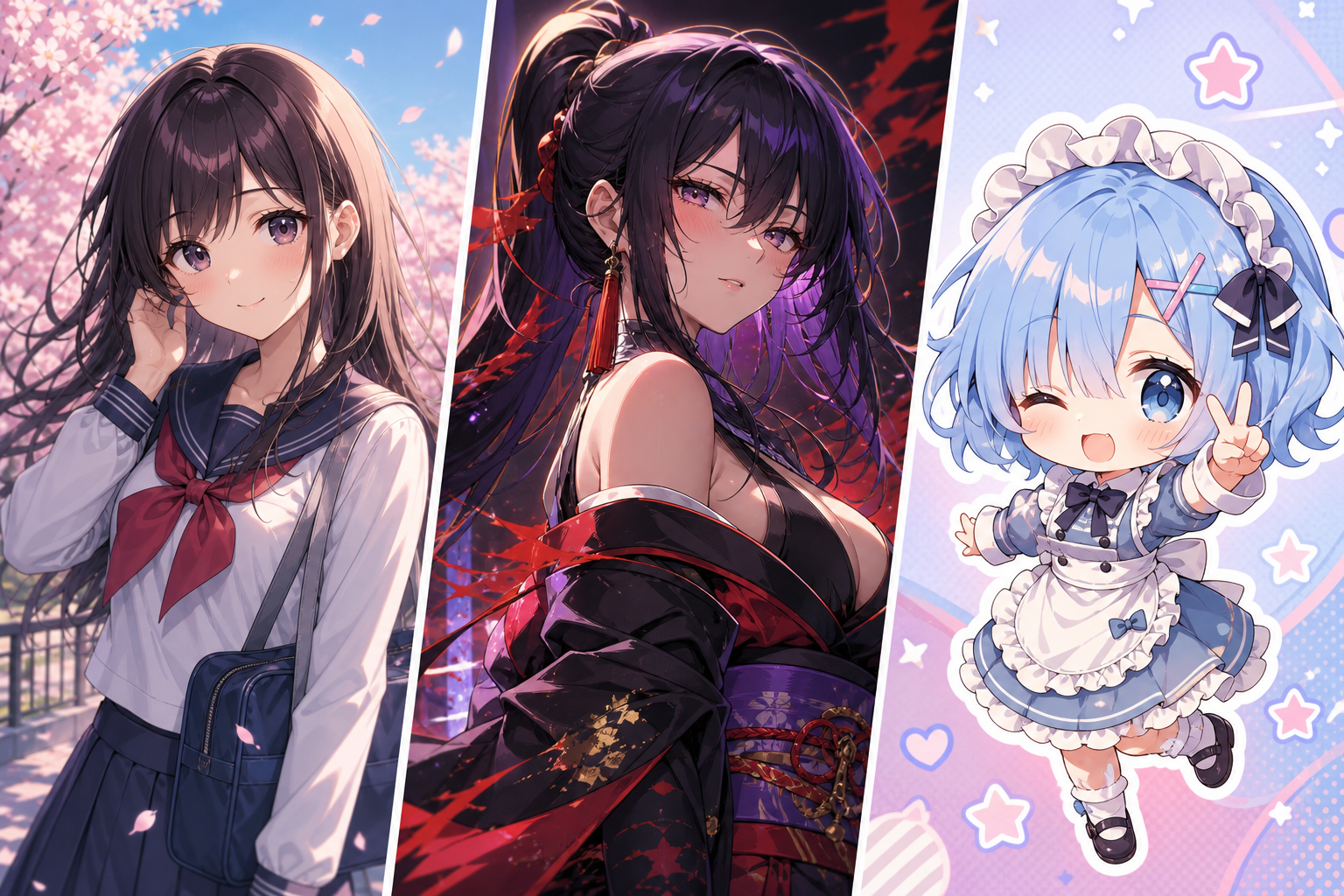
Best AI Image Generator for Anime Fan Art & Doujinshi (2026 Guide)
A practical 2026 guide to AI image generators for anime fan art and doujinshi-style illustrations—when to use Midjourney, GPT Image 2, Nano Banana, and the bikabika AI Anime Generator, plus cover art, badge, and compliance tips.
Ready when you are
Start generating with Nano Banana
Open the bikabika AI workspace to explore at speed with Nano Banana 2 Lite, then ship everyday finals and professional delivery with Nano Banana 2 / Pro. Capabilities and best practices are on this page—creation accelerates here.